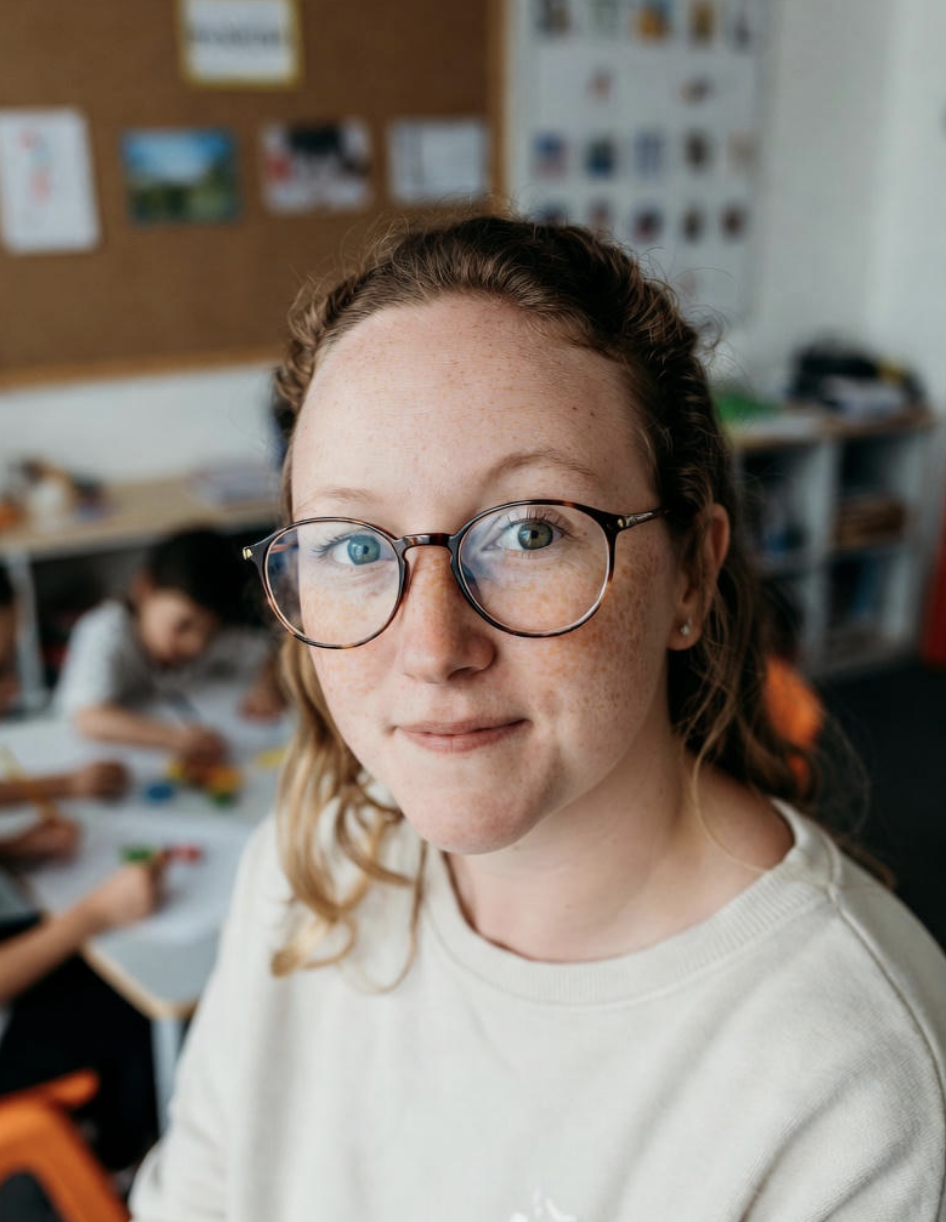
School-based speech-language pathologists diagnose and treat speech, language, and swallowing disorders in students from preschool through high school. They conduct screenings, provide therapy in individual and group settings, collaborate with teachers and families, develop IEPs, and work within federal IDEA guidelines to support student communication development.
- Emerson College - Master's in Speech-Language Pathology online - Prepare to become an SLP in as few as 20 months. No GRE required. Scholarships available.
- Arizona State University - Online - Online Bachelor of Science in Speech and Hearing Science - Designed to prepare graduates to work in behavioral health settings or transition to graduate programs in speech-language pathology and audiology.
- NYU Steinhardt - NYU Steinhardt's Master of Science in Communicative Sciences and Disorders online - ASHA-accredited. Bachelor's degree required. Graduate prepared to pursue licensure.
- Pepperdine University - Embark on a transformative professional and personal journey in the online Master of Science in Speech-Language Pathology program from Pepperdine University. Our program brings together rigorous academics, research-driven faculty teaching, and robust clinical experiences, all wrapped within our Christian mission to serve our communities and improve the lives of others.
Communication disorders affect a significant portion of school-aged children in the United States. According to the National Institutes of Health (NIH), 1 in 12 children ages 3 to 17 will experience a speech, voice, or swallowing disorder. The challenge becomes even more complex when you consider that some children present with multiple co-occurring disorders, though exact national percentages vary. Coordinated treatment is often needed in such cases.
The school system provides a natural environment for speech-language pathologists to deliver services where children spend most of their waking hours. According to the Bureau of Labor Statistics, approximately 38% of SLPs work in educational settings. The American Speech-Language-Hearing Association (ASHA) estimates that more than half of practicing SLPs work in academic settings, making schools the largest employment sector for the profession.
What Do Speech-Language Pathologists Do in Schools?
School-based SLPs carry a diverse set of responsibilities that extend far beyond traditional one-on-one therapy sessions. Their role encompasses prevention, assessment, intervention, and collaboration across the entire school community.
Core responsibilities include:
Screening and Assessment: School SLPs conduct universal screenings to identify at-risk students who may need further evaluation. When concerns arise, they perform comprehensive diagnostic evaluations to determine the nature and severity of communication disorders. These assessments inform treatment planning and help establish appropriate service delivery models.
Direct Service Delivery: SLPs provide both individual therapy sessions and small-group interventions tailored to each student’s needs. Group therapy allows students with similar goals to practice communication skills in a more natural social context, while individual sessions address specific, complex needs requiring one-on-one attention.
Collaborative Support: Effective school SLPs work closely with general and special education teachers, sharing strategies to support students’ communication needs within the classroom. They train educational staff on implementing accommodations and modifications that help students with speech and language disorders access the curriculum.
Family Engagement: School SLPs maintain regular communication with families, ensuring that treatment strategies extend beyond the school day. They provide parents with home activities, explain progress toward goals, and collaborate on consistent approaches across environments.
Classroom Integration: Many school SLPs push into general and special education classrooms to support listening, speaking, reading, writing, and learning strategies. This approach helps students generalize skills to real academic contexts and reduces the stigma sometimes associated with pull-out services.
Documentation and Compliance: School SLPs maintain detailed records for students under their care, document progress toward IEP goals, and ensure compliance with federal and state special education regulations.
Working Across Grade Levels: Preschool to High School
In most school districts, SLPs work across the full developmental spectrum, providing services from preschool through high school graduation. The treatment approaches, communication goals, and therapeutic activities vary significantly based on age and developmental level.
Preschool and Elementary School
When working with younger students, SLPs focus on foundational communication skills. Preschool intervention typically targets basic pronunciation patterns, expands consonant repertoires, improves sound production accuracy, and builds vocabulary and syntax. Therapy sessions often incorporate play-based activities, rhyming games, and imaginary scenarios that naturally engage young children.
Some students benefit from augmentative and alternative communication (AAC) devices, which facilitate communication through symbols, pictures, or electronic speech output. These tools provide students with limited verbal abilities an avenue for expressing needs, participating in classroom activities, and developing language skills.
Elementary school SLPs continue building on foundational skills while adding literacy support. They work on phonological awareness, reading comprehension strategies, narrative skills, and social communication. Many interventions at this level integrate academic content, helping students access grade-level curriculum while addressing communication goals.
Middle and High School
Adolescent speech therapy takes on a different character. Middle and high school SLPs focus on advanced vocabulary development through curriculum-based exercises, morphological analysis of complex academic terms, and the development of sophisticated grammar and writing skills. At this level, treatment involves students more actively in their own care, explains the rationale behind strategies, and encourages self-advocacy.
Therapeutic conversations shift from simple narration to abstract reasoning, persuasive communication, and academic discourse. SLPs might work on executive function skills like organization and planning, social pragmatics for peer interaction, and self-monitoring strategies that students can use independently.
| Grade Level | Primary Focus Areas | Common Therapy Approaches |
|---|---|---|
| Preschool | Articulation, vocabulary, basic grammar, play skills, AAC introduction | Play-based activities, rhyming games, picture cards, and simple cause-and-effect toys |
| Elementary (K-5) | Phonological awareness, reading support, narrative skills, and social communication | Curriculum-integrated activities, literacy-based interventions, social stories, and peer groups |
| Middle School (6-8) | Academic vocabulary, complex grammar, written expression, and self-advocacy | Subject-specific terminology, morphology instruction, metacognitive strategies, collaborative projects |
| High School (9-12) | Advanced academics, abstract reasoning, transition planning, independence | Career vocabulary, functional communication for post-school settings, self-monitoring tools, assistive technology |
Transition Planning
As students approach graduation, school SLPs play an important role in transition planning. Moving from the structured, supportive school environment into post-secondary education, employment, or independent living presents unique communication challenges. SLPs help students develop specific plans for navigating real-world situations, practicing functional communication skills they’ll need beyond the school system, and identifying appropriate supports for continued success.
Federal IDEA Requirements and IEP Documentation
The Individuals with Disabilities Education Act (IDEA) governs special education services in public schools, and school-based SLPs must understand and implement these federal standards in their daily work.
Individualized Education Plans (IEPs)
The IEP serves as the central document outlining specific treatments, measurable goals, service frequency, and progress monitoring for students receiving special education. School SLPs participate in IEP team meetings, contribute assessment data, develop communication-related goals, and provide input on appropriate accommodations and modifications.
SLPs spend considerable time documenting student progress, comparing performance against district standards, and updating IEP documents to reflect changing needs. This documentation serves multiple purposes: tracking individual student growth, demonstrating accountability, ensuring compliance with federal requirements, and communicating with families and team members.
Least Restrictive Environment (LRE)
IDEA requires that students with disabilities be educated alongside their typically developing peers to the maximum extent appropriate. This principle, known as the least restrictive environment, influences where and how SLPs deliver services. Many school SLPs provide a combination of pull-out therapy, push-in classroom support, teacher consultation, and co-teaching to meet individual needs while maximizing time in general education settings.
Diversity and Cultural Considerations
American schools continue to reflect the nation’s cultural and linguistic diversity. According to the National Center for Education Statistics, almost 10 percent of U.S. students are learning English as a second language. In states like California, that percentage exceeds 20 percent. This diversity enriches the educational environment while presenting unique challenges for speech-language pathologists.
Working with English Language Learners
SLPs often work through translators when assessing or treating students from non-English-speaking families. The challenge extends beyond language barriers to distinguishing between true communication disorders and standard second-language acquisition patterns or dialectal differences. A pronunciation pattern that signals a disorder in a monolingual English speaker might be completely typical for a child learning English as a second language.
ASHA has developed extensive policy and practice recommendations for working with English Language Learner (ELL) students, recognizing that this population requires specialized assessment approaches and culturally responsive intervention strategies. School SLPs must differentiate between language differences that reflect cultural and linguistic background versus language disorders requiring intervention.
Diverse Disorder Types and Etiologies
The range of communication disorders school SLPs encounter on any given day varies from severe to mild, and stems from numerous causes:
Hearing loss affects speech sound production, language development, and academic achievement. SLPs work closely with audiologists to support students with hearing impairments.
A cleft palate impacts resonance, articulation, and feeding. Treatment requires coordination with craniofacial teams and plastic surgeons.
Autism Spectrum Disorders (ASD) often involve challenges with social communication, pragmatic language, and sometimes spoken language development or use of AAC.
Cerebral palsy may affect motor speech production, requiring specialized techniques and, in some cases, AAC systems.
Learning disabilities frequently co-occur with language disorders, particularly affecting reading, writing, and academic language.
Traumatic brain injury can result in both cognitive-communication disorders and motor speech difficulties.
Around 13 percent of school-aged children in the United States receive special education through IEPs. Still, school SLPs also work with many students in the general education population who don’t qualify for special education services. Common issues such as stuttering and dyslexia respond well to school-based interventions. Research shows that as many as 5 percent of children experience stuttering at some point, and evidence-based treatments like the Lidcombe program effectively address childhood fluency disorders when implemented early.
Clinical Specialty Certification in Childhood Language Disorders
Speech-language pathologists working primarily with children can pursue advanced credentials that demonstrate specialized expertise in pediatric communication disorders. The American Board of Child Language and Language Disorders offers a Clinical Specialty Certification in childhood learning and language disorders.
This certificate, available to holders of ASHA’s Certificate of Clinical Competence in Speech-Language Pathology (CCC-SLP), promotes advanced knowledge and skills for addressing language disorders in children up to age 21. For school-based SLPs, this certification validates expertise in the very disorders they encounter most frequently and demonstrates commitment to evidence-based practice in educational settings.
Additional Roles in School Settings
Beyond direct therapy and IEP management, school SLPs take on diverse professional roles. They serve as resources for teachers who need consultation on language learning strategies, collaborate on curriculum development for students with communication disorders, and advocate for teaching practices that support students with speech and language challenges.
Many school SLPs participate in research projects, tracking treatment processes and outcomes to identify the most effective intervention approaches. In larger districts, experienced SLPs may advance to supervisory positions, overseeing other SLPs, supervising speech-language pathology assistants, and mentoring graduate students completing their clinical practicum requirements.
In smaller, rural districts, a single SLP might serve as an itinerant clinician for multiple schools, spending considerable time traveling between buildings and adapting to different school cultures and procedures. Some districts have begun implementing telepractice models, in which SLPs provide services remotely via secure video conferencing, expanding access to underserved areas.
School SLP Salary Information
Compensation for school-based speech-language pathologists varies by geographic location, years of experience, and district resources. Understanding typical salary ranges helps prospective SLPs make informed career decisions.
| Percentile | Annual Salary | Hourly Wage |
|---|---|---|
| 10th Percentile | $56,430 | $27.13 |
| 25th Percentile | $68,540 | $32.95 |
| 50th Percentile (Median) | $84,140 | $40.45 |
| 75th Percentile | $102,370 | $49.22 |
| 90th Percentile | $125,560 | $60.37 |
Many school districts offer additional benefits that enhance total compensation. These typically include health insurance, retirement contributions, paid sick leave, and summers off (with most school SLPs working on a 10-month contract). Professional development funding, loan-forgiveness programs for those working in underserved areas, and opportunities for summer employment or extended school-year services provide additional financial benefits.
School employment often offers a better work-life balance than medical settings, with predictable schedules, school holidays, and no weekend or evening hours. For SLPs prioritizing family time or pursuing advanced education, school-based practice offers considerable advantages.
Frequently Asked Questions
Do I need special certification to work as an SLP in schools?
Requirements vary by state, but most require both a state SLP license and a separate school-based credential or educational certificate. You’ll typically need your CCC-SLP from ASHA, completion of education-specific coursework, and, sometimes, a teaching certificate. Check your state’s department of education for exact requirements.
What’s the typical caseload for a school SLP?
ASHA recommends a maximum caseload of 40-50 students for elementary schools and slightly fewer for middle and high schools, given the complexity of needs. However, actual caseloads vary widely by district and may exceed recommendations, particularly in underserved areas. Workload models that account for indirect services, paperwork, and collaboration time are becoming more common.
How does working in schools differ from medical settings?
School SLPs work within an educational model focused on helping students access curriculum and participate in their learning environment. Medical SLPs work within a healthcare model focused on diagnosis and rehabilitation. School settings typically offer better work-life balance during the school year, while medical settings may offer higher salaries and exposure to acute conditions. Many SLPs find school positions more collaborative due to regular interaction with teachers and education teams.
Can school SLPs work in private schools?
Yes, private schools often employ SLPs directly or contract with private practices for services. However, private schools aren’t bound by IDEA regulations unless they enroll students receiving publicly funded special education services. Some private schools specialize in students with learning differences and employ teams of SLPs as core faculty members.
Do school SLPs work year-round?
Most school SLPs work on 9-to 10-month contracts, receiving summers off, along with school holidays and breaks. Some districts offer extended school year (ESY) positions during summer for students who would experience significant regression without continuous services. Others seek summer employment in medical settings, early intervention programs, or private practice to supplement income and gain diverse experience.
What’s the job outlook for school-based SLPs?
The Bureau of Labor Statistics projects strong growth for speech-language pathologists across all settings through 2032. Schools face particular shortages in rural areas and specific regions. Many districts offer signing bonuses, relocation assistance, or loan repayment programs to attract qualified candidates. Since schools represent the largest employment sector for SLPs, new graduates often find their first positions in educational settings.
How do school SLPs balance therapy with IEP paperwork demands?
Documentation and compliance requirements consume significant time in school settings. Many experienced SLPs develop efficient progress-monitoring systems, use templates for common IEP goals, and advocate for workload models that include dedicated time for paperwork and meetings. Some districts employ speech-language pathology assistants to handle specific tasks, and technology tools help streamline documentation.
Key Takeaways
- Approximately 38% of speech-language pathologists work in educational settings, according to the Bureau of Labor Statistics, making schools one of the largest employment sectors for SLPs
- School SLPs serve students from preschool through high school, adapting treatment approaches to developmental levels and using everything from play-based therapy to curriculum-integrated intervention.s
- Federal IDEA requirements govern school-based services, requiring SLPs to understand IEP development, documentation standards, and least restrictive environment principl.es
- School SLPs work with diverse populations, including English language learners and students with varying types of communication disorders, from articulation issues to complex conditions like autism spectrum disorder.rder
- Most school positions require both state SLP licensure and education-specific credentials, with roles extending beyond therapy to include consultation, curriculum support, and supervisory responsibilities.ities
- School SLPs typically work 9-10-month contracts with summers off, earning median salaries around $84,000 annually, with strong growth projected through 2032
- Emerson College - Master's in Speech-Language Pathology online - Prepare to become an SLP in as few as 20 months. No GRE required. Scholarships available.
- Arizona State University - Online - Online Bachelor of Science in Speech and Hearing Science - Designed to prepare graduates to work in behavioral health settings or transition to graduate programs in speech-language pathology and audiology.
- NYU Steinhardt - NYU Steinhardt's Master of Science in Communicative Sciences and Disorders online - ASHA-accredited. Bachelor's degree required. Graduate prepared to pursue licensure.
- Pepperdine University - Embark on a transformative professional and personal journey in the online Master of Science in Speech-Language Pathology program from Pepperdine University. Our program brings together rigorous academics, research-driven faculty teaching, and robust clinical experiences, all wrapped within our Christian mission to serve our communities and improve the lives of others.
Ready to Start Your SLP Career?
Schools across the nation need qualified speech-language pathologists. Start your journey by exploring accredited graduate programs that prepare you for this rewarding career.
2024 US Bureau of Labor Statistics salary and job market figures for Speech-Language Pathologists reflect national data, not setting-specific information. Conditions in your area may vary. Data accessed November 2025.