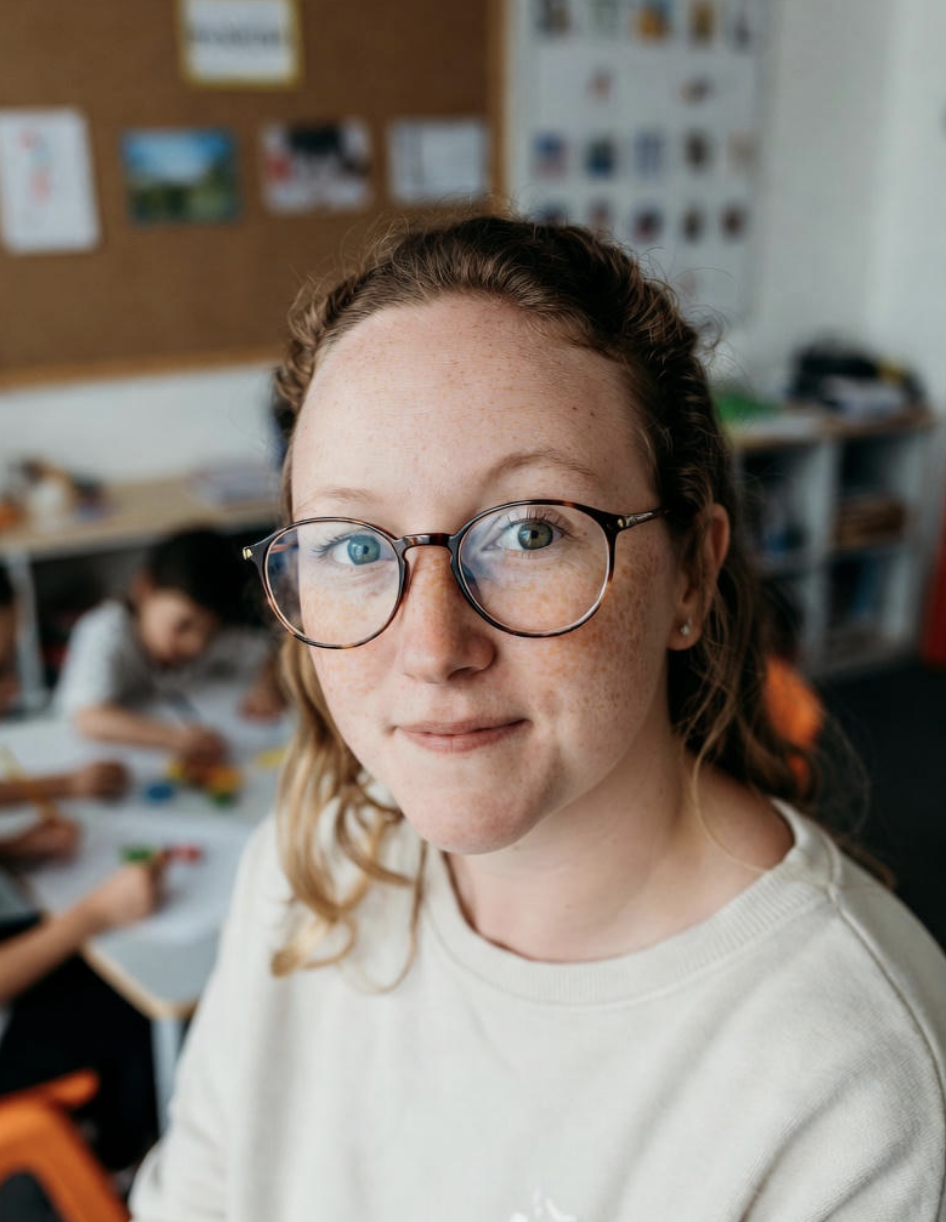
Speech-language pathologists specializing in child language disorders work with children from birth to age 21 who have communication difficulties affecting academic and social development. This specialization requires a CCC-SLP credential plus advanced training, with optional Board Certification in Child Language and Language Disorders available through the American Board of Child Language and Language Disorders.
- Emerson College - Master's in Speech-Language Pathology online - Prepare to become an SLP in as few as 20 months. No GRE required. Scholarships available.
- Grand Canyon University - Online Master of Science in Speech-Language Pathology. - This STEM program focuses on training aspiring speech-language pathologists to offer compassionate, effective services to individuals with communication disorders
- Arizona State University - Online - Online Bachelor of Science in Speech and Hearing Science - Designed to prepare graduates to work in behavioral health settings or transition to graduate programs in speech-language pathology and audiology.
- NYU Steinhardt - NYU Steinhardt's Master of Science in Communicative Sciences and Disorders online - ASHA-accredited. Bachelor's degree required. Graduate prepared to pursue licensure.
- Pepperdine University - Embark on a transformative professional and personal journey in the online Master of Science in Speech-Language Pathology program from Pepperdine University. Our program brings together rigorous academics, research-driven faculty teaching, and robust clinical experiences, all wrapped within our Christian mission to serve our communities and improve the lives of others.
Social stresses alone can make it hard enough for children and adolescents dealing with communication disorders to get through the school day. Add to that the fact that these disorders have the potential to adversely affect success in the classroom, and the result can be a student who is withdrawn and entirely turned off to the school experience. Early intervention from a speech-language pathologist specializing in child language disorders can make a real difference in the social and academic development of these students, bringing about lasting change.
According to the American Speech-Language-Hearing Association (ASHA), SLPs specializing in child language disorders are critical to social development and literacy for children and adolescents with communication disorders, including those with severe or multiple disabilities. These specialists bring expertise beyond general pediatric speech therapy, focusing specifically on the complex interplay among language development, learning, and literacy.
Understanding Child Language Disorders in Speech Pathology
Child language disorders represent a specialized area within speech-language pathology that focuses on communication difficulties in children from birth through age 21. These disorders can significantly impact a child’s ability to understand others (receptive language), express thoughts and ideas (expressive language), and develop age-appropriate literacy skills. The scope of child language disorders extends far beyond simple speech-sound errors, encompassing complex issues in grammar, vocabulary, social communication, and the cognitive-linguistic skills needed for academic success.
The relationship between language development and academic achievement can’t be overstated. Children with spoken language problems frequently have difficulty learning to read and write, just as children with reading and writing problems often struggle with spoken language. This reciprocal relationship underscores the critical importance of early identification and intervention. Without appropriate support, these difficulties can compound over time, leading to significant academic challenges, social isolation, and diminished self-esteem.
The Individuals with Disabilities Education Act (IDEA) mandates access to speech-language services in schools, ensuring that eligible school-age children can receive interventions designed to address communication disorders. This legislation has created strong demand for SLPs who specialize in working with children, particularly those who can navigate the complex intersection of language disorders, learning disabilities, and educational programming.
The Speech-Language Connection: Foundation of Development
Spoken language provides the foundation for the development of reading and writing, and vice versa. In other words, spoken and written language have a reciprocal relationship, each one building on the other to produce overall language and literacy competence. Problems with speech and language in children and adolescents can occur in the production, comprehension, and awareness of sounds, syllables, words, and sentences. Children may also experience difficulties in using language strategically to communicate, think, and learn.
SLPs specializing in child language disorders provide research-based, balanced, culturally and developmentally appropriate, needs-based, and curriculum-relevant interventions. Their approach adapts to the child’s developmental level and specific needs.
Emergent Level (Birth to Pre-K)
At the emergent level, SLPs assess and support areas such as family literacy, phonological awareness, print awareness, and spoken language development. This foundation stage is critical for preventing later reading difficulties. Early intervention at this level often focuses on helping parents and caregivers create language-rich environments and recognize potential red flags in language development.
Early Elementary Level (K to 3rd Grade)
During early elementary years, assessment and intervention target phonological memory, letter identification, invented spelling, reading, writing, and spoken language skills. This is when the connection between oral language skills and literacy becomes most apparent. SLPs work closely with classroom teachers to support children as they learn to decode written language and express themselves in writing.
Later Elementary and Beyond (4th Grade and Above)
For older students, SLPs assess reading, writing, curriculum-based language uses, spoken language, and metacognitive/executive functioning. At this level, language demands become more complex, requiring students to understand abstract concepts, follow multi-step directions, and use language for critical thinking and problem-solving. Children with language disorders often struggle significantly during these years without specialized support.
Students with Severe or Multiple Developmental Impairments
For students with multiple or severe developmental impairments, SLPs assess reading comprehension and linguistic capabilities while contributing to modified programs that help students achieve goals and progress through the standard curriculum to the greatest extent possible. This work often involves collaboration with special education teams and may include augmentative and alternative communication systems.
Common Child Language Disorders Treated by SLPs
Speech-language disorders in children may be caused by or associated with hearing loss, cleft palate, cerebral palsy, learning disabilities, autism spectrum disorders, developmental delays, and traumatic brain injuries. IDEA ensures eligibility and access to speech-language interventions within public schools designed to address issues resulting from these conditions.
| Disorder Type | Characteristics | SLP’s Role |
|---|---|---|
| Language Disorders | Slow development of grammar or concepts, inability to use different communication styles for different situations | Support understanding and expression, facilitate social development, reading, and writing skills |
| Voice Disorders | Speech that is too high, too low, monotonous, harsh, hoarse, breathy, or nasal | Assess vocal quality, teach proper vocal techniques, coordinate with medical professionals |
| Fluency/Stuttering Disorders | Interruptions in flow or rhythm, hesitation, repetition, or prolongation of sounds, syllables, words, or phrases | Provide therapy to improve fluency, reduce anxiety around speaking, teach communication strategies |
| Articulation Disorders | Mispronouncing sounds, omitting sounds in words, or distorting a word’s sound | Teach correct sound production, improve speech intelligibility through targeted exercises |
| Dysphagia (Swallowing Disorders) | Difficulty sucking, chewing, initiating a swallow, or swallowing completely | Assess feeding/swallowing safety, develop treatment plans, train caregivers on safe feeding techniques |
Each of these disorder types requires specialized knowledge and intervention strategies. Many children present with multiple overlapping issues, requiring comprehensive assessment and coordinated treatment planning.
Roles and Responsibilities of Child Language SLPs
Speech-language pathologists working with children in school-based and clinical settings serve in numerous capacities. Their work extends far beyond traditional one-on-one therapy sessions.
SLPs integrate classroom objectives to combine communication goals with academic and social goals. They help students understand and use basic language concepts through reading, language, and writing support. Many provide small group or individual lessons, while others oversee speech classrooms. A key responsibility is identifying children at risk for reading and writing problems, providing appropriate interventions, and documenting outcomes.
Professional Roles in Child Language Work
SLPs specializing in child language disorders can serve in any number of roles:
- Direct Service Provider: Works directly with students to meet their communication and language needs through individual or group therapy sessions
- Collaborative Consultant (Indirect Service Provider): Works with teachers, parents, and other professionals who interact directly with students, providing guidance and strategies
- Planning Team Member: Works with other professionals and family members to design interventions, modify general education instruction, and provide special services
- Model: Serves as a demonstration model for teachers and other staff, showing specific approaches or skills that support language development
- Leader and Professional Developer: Assumes responsibility for facilitating the professional growth of others through training, mentoring, and continuing education
- Advocate and Policy Developer: Speaks out on behalf of children to raise awareness and initiate policy changes related to speech-language and literacy problems
- Researcher: Informs practice and designs strategies through scientific and social research, contributing to the evidence base for interventions
Specific Job Duties
Day-to-day responsibilities of child language specialists typically include:
- Preventing communication disorders through screening and early identification programs
- Identifying students at risk for future speech-language disorders based on developmental milestones and risk factors
- Assessing students’ speech-language skills using standardized and informal measures
- Evaluating the results of comprehensive assessments to determine eligibility for services
- Developing and implementing Individualized Education Programs (IEPs) in collaboration with education teams
- Documenting the outcomes of IEPs and adjusting goals based on student progress
- Collaborating with teachers and other professionals to foster literacy acquisition across the curriculum
- Advocating for evidence-based teaching practices that support language and literacy development
- Monitoring student performance and providing periodic screenings to track progress
Outside of direct clinical work, many SLPs specializing in child language development work on research projects, educate and train graduate students and clinical fellows, and participate in school-wide curriculum and literacy teams. This variety of roles makes child language disorders an engaging and dynamic specialization within speech-language pathology.
Education and Certification Pathway
The path to becoming a speech-language pathologist specializing in child language disorders involves five essential steps. Each step builds the knowledge and experience needed to work effectively with children who have communication disorders.
Step 1: Complete a CAA-Accredited Master’s Degree
The foundation of any SLP career is an entry-level master’s degree (MA, MS, or MEd) from a communicative sciences and disorders or speech-language pathology program accredited by the Council on Academic Accreditation in Audiology and Speech-Language Pathology (CAA). These programs typically take two years of full-time study to complete.
Individuals with their sights set on specializing in child language disorders are well served by taking additional elective courses in child speech-language development and disorders during their graduate studies. Many programs offer coursework in pediatric assessment, language disorders in school-age children, and literacy development. Seeking clinical practicum experiences in school settings or pediatric clinics is also valuable.
Step 2: Complete a Post-Graduate Clinical Fellowship
After earning a master’s degree, aspiring SLPs must complete a Clinical Fellowship (CF) of at least 36 weeks. This supervised professional experience allows new clinicians to apply their knowledge in real-world settings under the guidance of an experienced, certified SLP.
Clinical experiences in developing individualized programs for children and adolescents prepare SLPs to assume any number of roles focused on child language development. Seeking a CF placement in a school district or pediatric clinic can provide concentrated experience with the population you want to serve.
Step 3: Pass the Praxis Examination and Earn State Licensure
All SLPs must pass the Praxis exam in Speech-Language Pathology (Test Code 5331), a comprehensive examination that tests knowledge across all areas of the profession. Following successful completion of the exam, candidates apply for state licensure as a speech-language pathologist in the state where they plan to practice.
Speech-language pathologists focused on child language disorders and working in school settings must also earn a state teacher’s license or Department of Education certification where required. Requirements vary by state, so it’s important to check specific licensure requirements in your target location.
Step 4: Earn ASHA’s Certificate of Clinical Competence
ASHA’s Speech-Language Pathology Certificate of Clinical Competence (CCC-SLP) is the nationally recognized credential that demonstrates you’ve met rigorous academic and clinical standards. This certification is required by most employers and is often necessary for insurance reimbursement.
The CCC-SLP serves as the foundation credential for all specialized work in speech-language pathology, including child language disorders. It demonstrates to employers, colleagues, and families that you’ve achieved professional competence in the field.
Step 5: Consider Board Certification in Child Language and Language Disorders
After gaining experience as a practicing SLP, you can pursue advanced board certification through the American Board of Child Language and Language Disorders (ABCLLD). This optional credential recognizes SLPs with advanced skills, knowledge, and experience specifically in child language disorders. The next section covers this board certification in detail.
Obtaining Board Certification in Child Language and Language Disorders
Gaining board certification in child language disorders allows SLPs with advanced skills, knowledge, and experience beyond the CCC-SLP to earn recognition for their specialized expertise from consumers, colleagues, referral sources, and the general public. The American Board of Child Language and Language Disorders, which is approved by ASHA’s Council on Clinical Certification, offers Board Certification in Child Language and Language Disorders.
This advanced credential demonstrates a commitment to excellence in serving children with language disorders. It signals to families, school districts, and clinical employers that you’ve invested in developing expertise beyond entry-level practice.
Eligibility Requirements
To become board certified, candidates must meet the following requirements:
| Requirement Category | Specific Criteria |
|---|---|
| Professional Certification | Hold a current CCC-SLP designation from ASHA |
| Clinical Experience | Verify at least 5 years of clinical experience in child language after obtaining the CCC-SLP |
| Continuing Education | Document at least 100 hours in intermediate or advanced courses related to typical and atypical language learners, beyond CCC-SLP requirements |
| Knowledge Areas | Complete coursework in typical language learning, children at-risk, language differences, and disordered oral and written language |
| Advanced Competency | Demonstrate advanced knowledge, skills, and experiences in child language through portfolio submission |
Application Requirements
To demonstrate clinical experience, applicants must provide a detailed description of their employment settings, the percentage of time spent in child language work, a definition of employment responsibilities, and clinical and professional responsibilities, with time dedicated to each.
The areas for which candidates must demonstrate their expertise include services for children from birth to age 21, covering the full developmental span of childhood and adolescence.
Portfolio Submission
Applicants must submit supporting materials and a portfolio that includes:
- A statement of their current philosophy of typical and atypical language and literacy development in children
- One comprehensive case study that documents a specific application of advanced knowledge and skills in prevention, assessment, and intervention or treatment
- Integration of advanced knowledge as reflected by professional literature, presentations, and appropriate references
- Documentation of professional responsibilities that exceed entry-level requirements due to the nature of clients served, complexity of communication needs, and innovative clinical practices applied
SLPs interested in earning this board certification should review the complete application requirements and submit an Intent to Apply for Board Certification in Child Language and Language Disorders through the ABCLLD website. The certification process is rigorous, reflecting the advanced nature of this credential.
Salary and Job Outlook for Child Language Specialists
Speech-language pathologists enjoy strong earning potential and excellent job security, with particularly robust demand for those specializing in pediatric work. According to the U.S. Bureau of Labor Statistics, the median annual salary for speech-language pathologists was $89,420 in 2024. However, earnings vary significantly based on work setting, geographic location, and years of experience.
Salary by Work Setting
| Work Setting | Typical Salary Range | Key Considerations |
|---|---|---|
| Public Schools | $60,000 – $85,000 | Includes benefits, retirement, and school calendar schedule with summers off |
| Hospitals and Healthcare Facilities | $75,000 – $95,000 | Higher base salary, variable schedules, specialized patient populations |
| Private Practice | $80,000 – $120,000+ | Income varies with client load, overhead costs, and business management |
| Early Intervention Programs | $65,000 – $90,000 | Often includes travel to homes and community settings |
Job Growth and Market Demand
The job outlook for speech-language pathologists is exceptionally strong. The BLS projects 21% employment growth from 2022 to 2032, well above the average for all occupations. Several factors drive this robust demand:
- Increased awareness of developmental delays: Research indicates growing concerns about speech and language delays among young children, particularly following disruptions to early childhood education and socialization, creating heightened demand for early intervention services
- Expanded special education services: Growing recognition of the importance of communication skills in academic success has increased the number of children receiving school-based speech services
- Early identification initiatives: More comprehensive screening programs in pediatric healthcare settings are identifying children with language disorders at younger ages
- Autism spectrum disorder prevalence: Rising diagnoses of autism have increased demand for SLPs who specialize in social communication and language intervention for children with ASD
Child language specialists with advanced training and Board Certification in Child Language and Language Disorders may command higher salaries and have more employment options. School districts and clinical facilities often seek SLPs with demonstrated expertise in this area, particularly for leadership positions or specialized program development roles.
2024 US Bureau of Labor Statistics salary and job market figures for Speech-Language Pathologists reflect state and national data, not school-specific information. Conditions in your area may vary. Data accessed November 2025.
Frequently Asked Questions
Do I need special certification to work with children as an SLP?
No special certification is required to work with children beyond the standard CCC-SLP credential. However, if you work in public schools, you’ll typically need a state teaching license or Department of Education certification. Board Certification in Child Language and Language Disorders is an optional advanced credential that demonstrates expertise in this area.
What’s the difference between a pediatric SLP and a child language specialist?
A pediatric SLP works with children across all communication disorders, including articulation, voice, fluency, and feeding. A child language specialist focuses specifically on language disorders, including the connection between spoken language and literacy development. Child language specialists often have advanced training in language disorders and may hold Board Certification in Child Language and Language Disorders from ABCLLD.
How long does it take to become a child language specialist?
The complete pathway typically takes 7-9 years: 4 years for a bachelor’s degree, 2 years for a master’s degree, 9 months for a clinical fellowship, and then 5 years of experience before you’re eligible for Board Certification in Child Language and Language Disorders. However, you can begin working with children as soon as you complete your CCC-SLP certification.
Can I work with children right after completing my master’s degree?
Yes, you can work with children during your Clinical Fellowship year under supervision, and independently once you earn your CCC-SLP and state licensure. Many new graduates begin their careers in school settings or pediatric clinics. You don’t need the advanced board certification to work with children, though it may be valuable for career advancement.
Do child language specialists earn more than general SLPs?
Salary depends more on work setting and experience than specialization area. However, SLPs with advanced credentials, such as Board Certification in Child Language and Language Disorders, may qualify for leadership positions, supervisory roles, or specialized programs that offer higher compensation. The median salary for all SLPs was $89,420 in 2024, with child language specialists typically falling within this range or higher, depending on their role.
What’s the job outlook for SLPs specializing in child language disorders?
The outlook is excellent. The BLS projects 21% growth for all SLP positions from 2022 to 2032, with particularly strong demand for professionals who work with children. Increased awareness of developmental delays, expanded special education services, and rising autism diagnoses all contribute to robust job opportunities in this specialization.
Can I specialize in child language during my clinical fellowship year?
Yes, many Clinical Fellows specifically seek placements in school districts or pediatric clinics to gain concentrated experience with children. This focused experience during your CF year can be valuable for developing expertise and building your professional network in child language disorders. Talk with your graduate program about CF placement options that align with your career goals.
- Emerson College - Master's in Speech-Language Pathology online - Prepare to become an SLP in as few as 20 months. No GRE required. Scholarships available.
- Grand Canyon University - Online Master of Science in Speech-Language Pathology. - This STEM program focuses on training aspiring speech-language pathologists to offer compassionate, effective services to individuals with communication disorders
- Arizona State University - Online - Online Bachelor of Science in Speech and Hearing Science - Designed to prepare graduates to work in behavioral health settings or transition to graduate programs in speech-language pathology and audiology.
- NYU Steinhardt - NYU Steinhardt's Master of Science in Communicative Sciences and Disorders online - ASHA-accredited. Bachelor's degree required. Graduate prepared to pursue licensure.
- Pepperdine University - Embark on a transformative professional and personal journey in the online Master of Science in Speech-Language Pathology program from Pepperdine University. Our program brings together rigorous academics, research-driven faculty teaching, and robust clinical experiences, all wrapped within our Christian mission to serve our communities and improve the lives of others.
Key Takeaways
- SLPs specializing in child language disorders play a critical role in supporting communication, literacy, and academic success for children from birth to age 21 with language difficulties.
- Specialization requires a CCC-SLP credential earned through a CAA-accredited master’s program, clinical fellowship, and passing the Praxis exam, with optional advanced board certification available.
- Board Certification in Child Language and Language Disorders from ABCLLD demonstrates advanced expertise and requires 5+ years of post-certification experience plus 100 hours of specialized continuing education.
- Child language SLPs work in diverse settings, including schools, hospitals, private practices, and early intervention programs, serving in roles from direct service provider to researcher and advocate.
- Job growth for SLPs is projected at 21% from 2022 to 2032, driven by increased awareness of developmental delays and expanded special education services.
- The median SLP salary was $89,420 in 2024, with earning potential varying by setting, with private practice and healthcare facilities typically offering higher compensation than school positions.
Ready to Begin Your Child Language SLP Career?
Explore CAA-accredited speech-language pathology graduate programs that can prepare you for a rewarding career specializing in child language disorders.