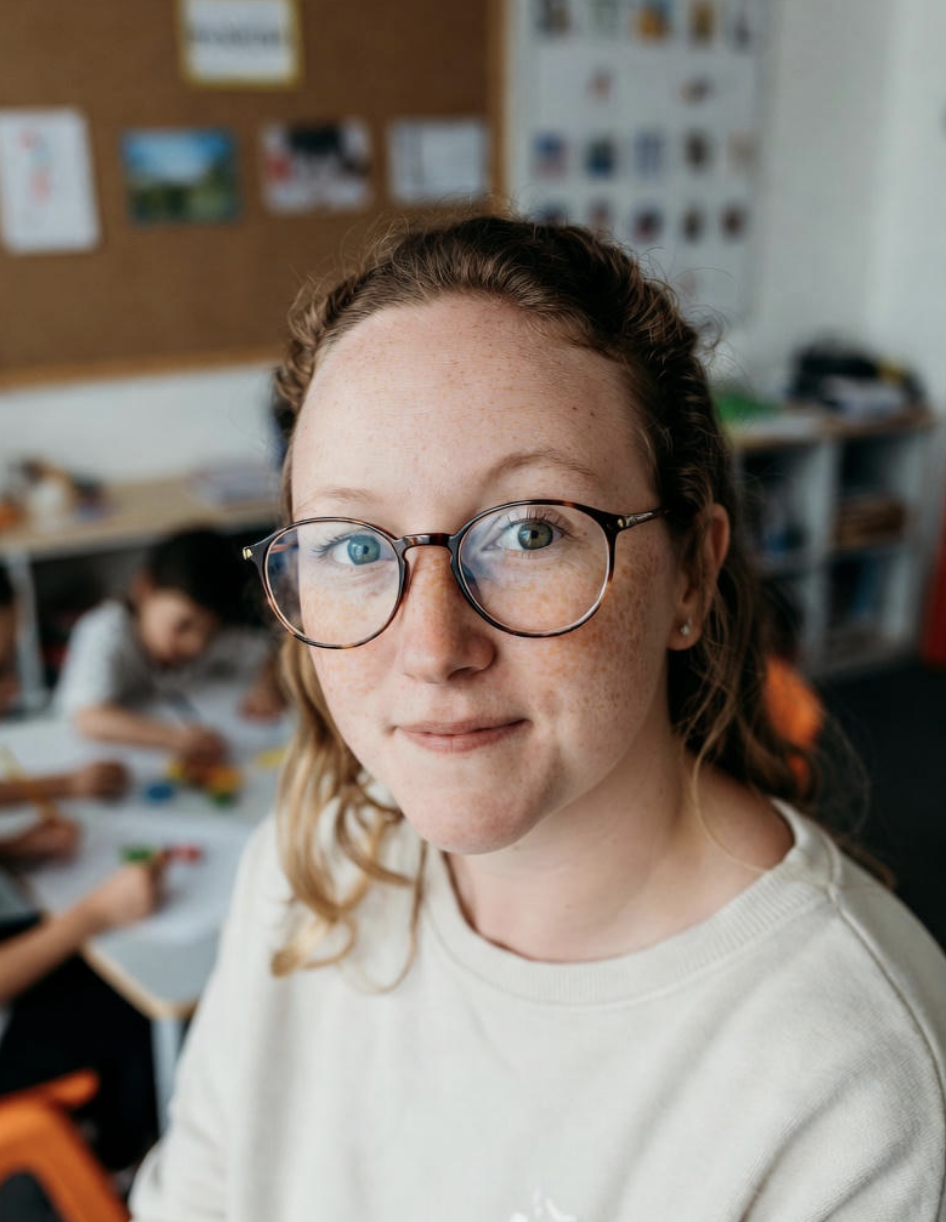
Speech-language pathologists working with autism spectrum disorder focus on improving communication skills, social language, and swallowing difficulties. SLPs collaborate with families and multidisciplinary teams using evidence-based approaches like AAC, PROMPT, and social communication interventions to support individuals across the lifespan.
- Emerson College - Master's in Speech-Language Pathology online - Prepare to become an SLP in as few as 20 months. No GRE required. Scholarships available.
- Arizona State University - Online - Online Bachelor of Science in Speech and Hearing Science - Designed to prepare graduates to work in behavioral health settings or transition to graduate programs in speech-language pathology and audiology.
- Pepperdine University - Embark on a transformative professional and personal journey in the online Master of Science in Speech-Language Pathology program from Pepperdine University. Our program brings together rigorous academics, research-driven faculty teaching, and robust clinical experiences, all wrapped within our Christian mission to serve our communities and improve the lives of others.
- Aurora University - BS Communication Sciences and Disorders program - Discover how to transform lives by identifying and treating communication disorders for people of all ages. You’ll gain hands-on experience while fulfilling requirements toward graduate education.
- Arkansas State University - Dyslexia Certificate - Build upon your teaching expertise by adding a specialization in dyslexia with their Dyslexia Certificate online program.
- Eastern Oregon University - Master of Science in Education with a specialization in Dyslexia - Provides an advanced study of best practices and applications for PK–12 contexts with a specialization in Dyslexia.
- The University of West Alabama - Master of Education in Dyslexia Therapy - Enter an emerging field to support students with dyslexia and related reading challenges by earning your MEd in Dyslexia Therapy degree.
Speech-language pathologists play a vital role in supporting individuals with autism spectrum disorder (ASD). According to the Centers for Disease Control and Prevention, approximately 1 in 36 children in the United States is diagnosed with ASD, creating significant demand for specialized communication services. SLPs address the core communication challenges that define autism while collaborating with families and treatment teams to improve quality of life across all ages.
The scope of practice for autism-specialized SLPs extends far beyond traditional speech therapy. These professionals work on expressive and receptive language, social communication, pragmatic language skills, nonverbal communication, and feeding or swallowing difficulties that often accompany autism diagnoses.
Communication Challenges in Autism Spectrum Disorder
Autism spectrum disorder affects communication development in diverse ways. The diagnostic criteria for ASD center on persistent deficits in social communication and interaction across multiple contexts, making speech-language services essential for most individuals on the spectrum.
Communication abilities in autism vary dramatically. Some individuals are minimally verbal or nonverbal, while others have strong verbal skills but struggle with pragmatic language and social communication nuances.
Estimates of children who remain minimally verbal vary across studies, ranging from approximately 25-30%, though definitions of “minimally verbal” differ among researchers. Many individuals develop functional communication through alternative methods even when spoken language remains limited.
Common communication challenges include:
- Delayed language development: Late onset of first words, limited vocabulary growth, difficulties with complex sentence structures
- Echolalia: Repetition of words or phrases, which can serve communicative functions when understood properly
- Pragmatic language deficits: Difficulty with turn-taking, topic maintenance, understanding nonliteral language, and adjusting communication based on context
- Prosody differences: Unusual pitch, rhythm, or intonation patterns that affect speech intelligibility and social perception
- Nonverbal communication difficulties: Limited use of gestures, inconsistent eye contact, challenges interpreting facial expressions, and body language
Co-occurring conditions complicate the communication picture. Many individuals with autism also experience ADHD, anxiety disorders, intellectual disabilities, or specific speech disorders like childhood apraxia of speech. Research examining the relationship between autism and apraxia has found overlap in some populations, though the exact prevalence varies by study methodology and diagnostic criteria.
The SLP’s Role in Autism Treatment
Speech-language pathologists serve as key members of autism treatment teams, bringing specialized expertise in communication development and disorders. The SLP’s role extends beyond addressing speech sound production to encompass the full spectrum of communication needs.
Comprehensive Assessment
SLPs conduct thorough evaluations to identify specific communication strengths and challenges. Assessment typically includes standardized testing, language sampling, play-based observation, and caregiver interviews. The goal is understanding not just what communication skills are present, but how the individual uses communication in natural contexts.
Individualized Treatment Planning
Based on assessment results, SLPs develop treatment plans tailored to each person’s unique profile. Plans consider the individual’s interests, learning style, sensory preferences, and family priorities. Goals might target receptive language, expressive language, social communication, speech sound production, fluency, voice, or feeding skills.
Collaboration Across Disciplines
Autism treatment often requires team collaboration, though the structure varies by setting. SLPs may coordinate with applied behavior analysts, occupational therapists, physical therapists, special educators, psychologists, and families. In some programs, disciplines work in integrated teams, while in other settings maintain more distinct professional boundaries. Regardless of structure, communication among team members ensures consistency across environments and maximizes progress.
According to Autism Speaks, speech therapy ranks as one of the most effective therapeutic approaches for individuals with ASD, with families reporting significant improvements in communication abilities and quality of life.
Evidence-Based Therapy Approaches
Modern autism speech therapy draws from multiple evidence-based methodologies. SLPs select and combine approaches based on individual needs, preferences, and response to intervention.
Augmentative and Alternative Communication (AAC)
AAC encompasses any method of communication beyond spoken language. For minimally verbal individuals, AAC provides a functional communication system while supporting language development.
AAC options include:
- Low-tech systems: Picture exchange systems, communication boards, gesture systems
- Mid-tech devices: Single-message or sequenced-message voice output devices
- High-tech systems: Speech-generating devices, tablet-based apps with dynamic displays
Research demonstrates that AAC doesn’t inhibit speech development. Instead, it often facilitates verbal language by reducing communication frustration and providing a bridge to spoken words.
PROMPT (Prompts for Restructuring Oral Muscular Phonetic Targets)
PROMPT is a tactile-kinesthetic approach particularly useful for individuals with motor speech disorders or childhood apraxia of speech alongside autism. The SLP uses specific touch cues on the face to guide speech movements, helping the individual develop motor plans for speech sounds and words.
Social Communication Interventions
Pragmatic language and social communication form the core challenge for many individuals with autism. Evidence-based social communication approaches include:
- Social Thinking Curriculum: Teaches perspective-taking, flexible thinking, and social problem-solving
- Video modeling: Uses video examples to teach specific social communication skills
- Peer-mediated intervention: Involves typically developing peers as communication partners
- Social stories: Short narratives that describe social situations and appropriate responses
Core Vocabulary and Aided Language Stimulation
These approaches focus on teaching high-frequency words that appear across many contexts and activities. SLPs model language using the same communication system the individual uses, whether that’s sign language, picture symbols, or a speech-generating device.
Parent Coaching and Caregiver Training
Modern best practice emphasizes parent and caregiver involvement. SLPs teach families strategies to facilitate communication throughout daily routines, maximizing learning opportunities beyond therapy sessions. Parent-implemented intervention shows strong evidence for improving communication outcomes in young children with autism.
Visual Supports and Structured Teaching
Many individuals with autism benefit from visual information to support language processing and reduce anxiety. SLPs incorporate visual schedules, choice boards, and visual cues to support communication and reduce challenging behaviors that stem from communication difficulties.
The most effective autism speech therapy combines multiple approaches tailored to each individual’s unique communication profile, learning style, and family priorities.
Becoming an Autism-Specialized SLP
No separate license or certification is required to work with individuals with autism. However, developing specialized knowledge and skills significantly improves outcomes and career opportunities.
Graduate Education
Most master’s programs in speech-language pathology include coursework on child language disorders and developmental disabilities. Some programs offer specialized tracks or concentrations in autism spectrum disorders. Look for CAA-accredited programs that provide clinical practicum opportunities working with children or adults on the spectrum.
Clinical Fellowship Experience
Your clinical fellowship year offers an excellent opportunity to develop autism specialization. Seek CF placements in settings with strong autism populations, such as specialized schools, autism clinics, or early intervention programs. Working alongside experienced autism SLPs accelerates your clinical skill development.
Continuing Education
Ongoing professional development is essential in this rapidly evolving field. The American Speech-Language-Hearing Association (ASHA) and autism-focused organizations offer numerous continuing education opportunities on evidence-based assessment and intervention approaches.
Mentorship and Supervision
Working with an experienced autism SLP provides invaluable practical knowledge. Many SLPs find mentorship through ASHA’s special interest groups, state association networks, or workplace relationships.
Professional Certifications for Autism Specialists
While your Certificate of Clinical Competence in Speech-Language Pathology (CCC-SLP) qualifies you to work with all populations, additional certifications demonstrate specialized expertise and enhance your credentials.
CCC-SLP Specialty Certification in Child Language and Language Disorders
The American Board of Child Language and Language Disorders offers a specialty certification in child language, highly relevant to autism work. This ASHA-recognized credential requires:
| Requirement | Details |
|---|---|
| Prerequisites | Current CCC-SLP certification |
| Experience | Five years of practice with an emphasis on child language |
| Advanced Coursework | 100+ hours beyond CCC requirements focused on typical and atypical language development |
| Professional Portfolio | Demonstration of advanced knowledge, skills, and leadership |
| Initial Cost | $50 application fee + $100 annual maintenance |
| Maintenance | 35 clock hours of dedicated continuing education annually |
Certified Autism Specialist (CAS)
The International Board of Credentialing and Continuing Education Standards (IBCCES) offers the Certified Autism Specialist credential. This interdisciplinary certification is held by various professionals working with autism, including SLPs, teachers, behavior analysts, and therapists.
CAS requirements include:
| Requirement | Details |
|---|---|
| Education | Master’s degree in an approved field (SLP degrees qualify) |
| Experience | Two years supporting individuals with autism |
| Continuing Education | 14 hours within the past two years through IBCCES autism-focused courses |
| Examination | Pass the autism competency assessment |
| Initial Cost | $495 registration fee |
| Renewal | 14 CEUs + $199 every two years |
Holding both CCC-SLP and CAS credentials signals comprehensive expertise in autism-specific speech and language services, making you highly competitive for specialized positions.
Where Autism SLPs Work
SLPs specializing in autism find employment across diverse settings, each offering unique opportunities and challenges.
Public and Private Schools
Schools employ the largest number of autism-specialized SLPs. You’ll work with students ranging from preschool through high school, often supporting inclusion in general education classrooms while providing specialized services. School-based SLPs collaborate closely with special education teachers, classroom aides, and families.
Caseloads typically include students with various communication needs beyond autism, though some districts offer specialized autism classrooms where SLPs focus primarily on ASD services.
Early Intervention Programs
Early intervention services for children from birth to three years old offer rewarding opportunities to work with families at the start of their autism journey. Early intervention SLPs conduct home visits, work in natural environments, and coach parents on facilitating communication throughout daily routines.
Research consistently shows that early, intensive intervention produces the best outcomes for children with autism, making this an impactful career path.
Private Clinics and Autism Centers
Specialized autism treatment centers often employ multiple SLPs as part of comprehensive service teams. These settings typically offer more intensive services than schools can provide, with opportunities for daily or multiple-times-weekly therapy sessions.
Clinics focused on autism treatment allow you to develop deep expertise and work closely with interdisciplinary colleagues using coordinated treatment approaches.
Private Practice
Experienced SLPs may establish their own practices specializing in autism services. Private practice offers schedule flexibility and the ability to select evidence-based approaches that align with your philosophy, though it requires business management skills beyond clinical expertise.
Hospital and Medical Settings
Some SLPs work with individuals with autism in medical settings, particularly addressing feeding and swallowing disorders that commonly co-occur with ASD. Medical SLPs may participate in interdisciplinary diagnostic teams or provide services in rehabilitation hospitals.
Residential and Long-Term Care Facilities
A smaller number of SLPs work in residential settings serving adults with autism and significant support needs. These positions focus on functional communication, quality of life, and staff training to support communication throughout the day.
Each practice setting offers unique benefits and challenges. Your choice depends on your interests, preferred age groups, desired work-life balance, and professional goals.
A Day in the Life of an Autism SLP
Daily work varies significantly by setting, but most autism SLPs share common experiences and responsibilities.
Typical Daily Activities
A school-based autism SLP might start the day with a push-in session, supporting a student’s communication during morning circle time in a general education kindergarten classroom. Next comes a pull-out session working on core vocabulary with a small group using tablet-based AAC devices.
After lunch, the SLP attends an IEP meeting to discuss a student’s transition plan, then conducts an evaluation for a new referral. The afternoon includes consultation with a behavior analyst about integrating communication goals into programming, followed by parent training via video call. The day ends with documentation and lesson planning for the next day’s sessions.
Session Structure
Individual therapy sessions typically last 30-60 minutes, depending on the individual’s age and attention. Sessions are highly structured with visual schedules and clear transitions, incorporating the person’s interests to maintain engagement.
The SLP might begin with a preferred activity to establish rapport, move into targeted skill practice with frequent reinforcement, incorporate naturalistic teaching moments, and end with another preferred activity. Throughout, the SLP collects data on goal progress and adjusts the approach based on the individual’s responses.
Required Skills
Successful autism SLPs demonstrate:
- Patience and flexibility: Progress can be slow, and what works one day may not work the next
- Creativity: Finding motivating materials and novel approaches to target the same skills
- Strong observation skills: Recognizing subtle communication attempts and patterns
- Collaboration abilities: Working effectively across disciplines and with families
- Problem-solving: Adjusting approaches when progress stalls or behaviors escalate
- Advocacy: Ensuring individuals with autism receive appropriate services and supports
Challenges and Rewards
Working with autism presents unique challenges. Progress often comes slowly, requiring patience and persistence. Behavioral challenges can make sessions difficult. Disagreements about treatment approaches among team members require diplomacy. Documentation and administrative demands consume significant time.
The rewards, however, are profound. Seeing a child use AAC to make their first independent request, watching a teenager successfully navigate a social interaction they’ve practiced, or receiving a letter from a parent describing how much their family’s life has improved because of your intervention—these moments make the challenges worthwhile.
Salary and Career Outlook
Speech-language pathologists specializing in autism earn competitive salaries that vary based on geographic location, practice setting, and experience level.
National Salary Data
According to the U.S. Bureau of Labor Statistics, the median annual wage for speech-language pathologists across all specializations was $84,140 in May 2023 (most recent available data). SLPs with autism specialization credentials and experience often earn at the higher end of the salary range.
The following salary ranges are approximate and vary based on geographic location, experience level, and employer. These estimates are compiled from industry surveys, job postings, and professional association data:
| Setting | Average Annual Salary Range | Notes |
|---|---|---|
| Schools (K-12) | $60,000 – $85,000 | Benefits include summers off, pension plans |
| Private Practice | $75,000 – $120,000+ | Varies widely based on caseload and rates |
| Autism Clinics | $70,000 – $95,000 | May include performance bonuses |
| Early Intervention | $65,000 – $85,000 | Flexible schedule, mileage reimbursement |
| Medical/Hospital | $75,000 – $100,000 | Comprehensive benefits packages |
Factors Affecting Compensation
Several factors influence earning potential:
- Geographic location: Urban areas and states with higher costs of living typically offer higher salaries
- Years of experience: Seasoned autism specialists command premium rates
- Additional certifications: CAS and specialty certifications increase marketability and earning potential
- Advanced degrees: Doctoral degrees (PhD or SLP.D) open doors to higher-paying positions
- Supervisory roles: Lead SLP or director positions in clinics offer higher compensation
- Contract versus employment: Contract positions often pay higher hourly rates without benefits
Career Growth Opportunities
Autism specialization opens doors to various career advancement paths:
- Clinical leadership: Lead SLP in autism programs, overseeing other clinicians
- Program development: Creating and managing specialized autism services
- Consultation: Advising schools, agencies, or insurance companies on autism services
- Training and education: Teaching graduate courses or continuing education workshops
- Research: Contributing to evidence base for autism interventions
- Policy and advocacy: Shaping autism services at organizational or governmental levels
Job Market Outlook
The Bureau of Labor Statistics projects 19% employment growth for speech-language pathologists from 2022 to 2032, much faster than average for all occupations. The increasing prevalence of autism diagnoses, from 1 in 150 in 2000 to 1 in 36 today, drives strong demand for specialized services.
Rural and underserved areas face particular shortages of autism-specialized SLPs, offering opportunities for SLPs willing to practice in these locations. Telepractice has also expanded access to rural populations while creating new job opportunities.
Frequently Asked Questions
What percentage of SLP caseloads typically involve autism spectrum disorder?
Research suggests approximately 8-12% of school-based SLP caseloads include students with autism spectrum disorder, though this varies significantly by setting and geographic location. In specialized autism clinics or programs, the percentage approaches 100%. Early intervention programs report that 15-20% of their caseloads involve children with autism or suspected autism.
Do I need special certification to work with individuals with autism as an SLP?
No special certification is required. Your CCC-SLP qualifies you to work with all populations, including individuals with autism. However, pursuing additional credentials like the Certified Autism Specialist (CAS) or the Child Language and Language Disorders specialty certification demonstrates expertise and makes you more competitive for specialized positions.
How long does it take to develop expertise in autism speech therapy?
Most SLPs report feeling comfortable with basic autism interventions after 1-2 years of focused clinical experience. Developing advanced expertise typically requires 3-5 years of practice, ongoing continuing education, and ideally mentorship from experienced autism SLPs. The complexity of the population and access to professional development opportunities influence the timeline.
Can SLPs diagnose autism spectrum disorder?
SLPs can’t independently diagnose autism. However, they play a crucial role in the diagnostic process by conducting comprehensive speech, language, and communication assessments. SLPs contribute their findings to multidisciplinary diagnostic teams that typically include psychologists, developmental pediatricians, and other specialists. SLPs can identify red flags and recommend formal autism evaluations.
What’s the difference between working with verbal and minimally verbal individuals with autism?
With minimally verbal individuals, SLPs focus on establishing functional communication through any means possible—AAC devices, sign language, picture exchange, or supporting emerging verbal communication. For verbal individuals, therapy emphasizes pragmatic language, social communication, perspective-taking, conversational skills, and advanced language concepts. Both populations require specialized approaches tailored to their unique communication profiles.
How does speech therapy for autism differ from typical speech therapy?
Autism speech therapy places greater emphasis on social communication and pragmatic language rather than just speech sound production. Sessions typically incorporate more visual supports, structured routines, and special interests to facilitate learning. There’s a stronger focus on functional communication and generalization across environments. Collaboration with behavior analysts and careful consideration of sensory needs distinguish autism therapy from traditional approaches.
Is autism specialization emotionally demanding work?
Like all clinical work, autism specialization can be emotionally challenging. Progress sometimes comes slowly, families face significant stress, and behaviors can be difficult. However, most autism SLPs report high job satisfaction from making meaningful differences in communication abilities and quality of life. Strong professional support networks, good self-care practices, and celebrating small victories help maintain emotional well-being.
Key Takeaways
- SLPs play a critical role in autism treatment, addressing communication, social language, and feeding challenges across the lifespan
- Approximately 1 in 36 children in the U.S. is diagnosed with autism, creating a strong demand for specialized speech-language services
- Evidence-based approaches include AAC, PROMPT, social communication interventions, parent coaching, and visual supports
- Specialized certifications like CAS and Child Language Specialist credentials enhance career opportunities and demonstrate expertise
- Autism SLPs work in schools, clinics, early intervention programs, private practice, and medical settings with competitive salaries
- Career outlook is excellent, with 19% projected job growth and increasing autism prevalence driving service demand
- Developing autism specialization requires clinical experience, continuing education, mentorship, and commitment to evidence-based practice
- Emerson College - Master's in Speech-Language Pathology online - Prepare to become an SLP in as few as 20 months. No GRE required. Scholarships available.
- Arizona State University - Online - Online Bachelor of Science in Speech and Hearing Science - Designed to prepare graduates to work in behavioral health settings or transition to graduate programs in speech-language pathology and audiology.
- Pepperdine University - Embark on a transformative professional and personal journey in the online Master of Science in Speech-Language Pathology program from Pepperdine University. Our program brings together rigorous academics, research-driven faculty teaching, and robust clinical experiences, all wrapped within our Christian mission to serve our communities and improve the lives of others.
- Aurora University - BS Communication Sciences and Disorders program - Discover how to transform lives by identifying and treating communication disorders for people of all ages. You’ll gain hands-on experience while fulfilling requirements toward graduate education.
- Arkansas State University - Dyslexia Certificate - Build upon your teaching expertise by adding a specialization in dyslexia with their Dyslexia Certificate online program.
- Eastern Oregon University - Master of Science in Education with a specialization in Dyslexia - Provides an advanced study of best practices and applications for PK–12 contexts with a specialization in Dyslexia.
- The University of West Alabama - Master of Education in Dyslexia Therapy - Enter an emerging field to support students with dyslexia and related reading challenges by earning your MEd in Dyslexia Therapy degree.
Ready to Specialize in Autism Treatment?
Explore accredited speech-language pathology graduate programs that offer autism specialization tracks and clinical experiences working with individuals on the spectrum.
2024 US Bureau of Labor Statistics salary and job market figures for Speech-Language Pathologists reflect state and national data, not school-specific information. Conditions in your area may vary. Data accessed November 2025.