AAC (augmentative and alternative communication) speech pathology careers involve helping individuals with severe speech or language impairments communicate using specialized systems and devices. SLPs can specialize in AAC through focused graduate coursework, clinical practicums, and continuing education, and work in schools, hospitals, private practice, or assistive technology companies, with strong job growth projected through 2031.
- Emerson College - Master's in Speech-Language Pathology online - Prepare to become an SLP in as few as 20 months. No GRE required. Scholarships available.
- Arizona State University - Online - Online Bachelor of Science in Speech and Hearing Science - Designed to prepare graduates to work in behavioral health settings or transition to graduate programs in speech-language pathology and audiology.
- Pepperdine University - Embark on a transformative professional and personal journey in the online Master of Science in Speech-Language Pathology program from Pepperdine University. Our program brings together rigorous academics, research-driven faculty teaching, and robust clinical experiences, all wrapped within our Christian mission to serve our communities and improve the lives of others.
- Aurora University - BS Communication Sciences and Disorders program - Discover how to transform lives by identifying and treating communication disorders for people of all ages. You’ll gain hands-on experience while fulfilling requirements toward graduate education.
- Arkansas State University - Dyslexia Certificate - Build upon your teaching expertise by adding a specialization in dyslexia with their Dyslexia Certificate online program.
- Eastern Oregon University - Master of Science in Education with a specialization in Dyslexia - Provides an advanced study of best practices and applications for PK–12 contexts with a specialization in Dyslexia.
- The University of West Alabama - Master of Education in Dyslexia Therapy - Enter an emerging field to support students with dyslexia and related reading challenges by earning your MEd in Dyslexia Therapy degree.
People with communication disorders have long struggled to have their story told. It’s estimated that about 40 million Americans have communication disorders, but this group has largely gone unrepresented in TV and movies. When ABC’s primetime sitcom “Speechless” premiered, millions of Americans finally got a closer look at what it means to rely on augmentative and alternative communication (AAC) systems.
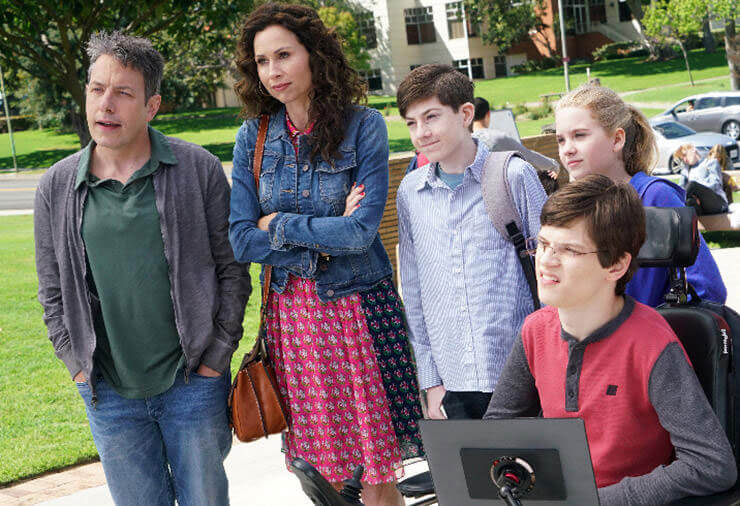
The show centers on a typical American family and features JJ, a teenager with cerebral palsy who uses a communication board and a head pointer. But “Speechless” isn’t just entertaining television. It reflects a growing field within speech-language pathology that’s creating meaningful career opportunities for SLPs interested in assistive technology, advocacy, and working with diverse populations who need alternative communication methods.
For prospective SLPs, the show offers more than awareness. It highlights the real-world impact of AAC specialization and the professionals who make communication possible for people with complex needs.
Understanding AAC in Speech-Language Pathology
Augmentative and alternative communication (AAC) is a specialized area of speech-language pathology that encompasses everything from simple picture boards to sophisticated computer-based communication systems. AAC provides individuals with severe speech or language impairments with alternative methods to express themselves, make choices, and participate fully in their lives.
SLPs who specialize in AAC assess communication needs, recommend appropriate systems, program devices, train users and their families, and provide ongoing support as needs change. This work requires technical knowledge, creativity, and a deep understanding of how people communicate beyond spoken words.
AAC systems fall into three broad categories, each serving different needs and abilities:
| System Type | Description | Examples | Typical Users |
|---|---|---|---|
| Low-Tech AAC | Non-electronic communication aids that don’t require batteries or power | Picture boards, communication books, alphabet charts, gesture systems | All ages, temporary needs (post-surgery), backup systems |
| Mid-Tech AAC | Simple electronic devices with basic voice output capabilities | Single-message voice output devices, simple switches, scanning systems | Individuals with limited motor skills, consistent messages needed |
| High-Tech AAC | Sophisticated computer-based systems with dynamic displays and extensive vocabulary | Tablet-based apps (Proloquo2Go, TD Snap), dedicated speech devices (Tobii Dynavox), eye-gaze systems | Complex communication needs, literate users, multiple environments |
Clinical populations who benefit from AAC include individuals with cerebral palsy (like JJ in “Speechless”), autism spectrum disorder, amyotrophic lateral sclerosis (ALS), traumatic brain injury, stroke-related aphasia, developmental disabilities, and genetic syndromes affecting speech production. The diversity of needs means AAC specialists must stay current with evolving technology and evidence-based practices.
How ‘Speechless’ Accurately Portrays AAC Work
One of the main characters in “Speechless,” JJ DiMeo, played by Micah Fowler, has cerebral palsy that has left him unable to speak. What makes this portrayal significant is that Fowler himself has cerebral palsy in real life. This authentic casting brings genuine experience to the role and avoids the problematic pattern of able-bodied actors portraying disabled characters.
JJ communicates using a head pointer and a communication board, with an aide who reads his words aloud as he indicates letters and words. This low-tech approach accurately reflects AAC options for individuals with limited hand mobility but strong cognitive and literacy skills. The show demonstrates that AAC users aren’t defined by their communication method. JJ is portrayed as a typical teenager with opinions, humor, and aspirations, which is exactly what effective AAC implementation should accomplish.
The pilot episode highlights a reality many SLPs encounter: the need for advocacy. JJ’s mother, Maya (played by Minnie Driver), fights to have her son mainstreamed in a regular school with proper accommodations. She battles administrators about accessibility, demands a competent aide, and refuses to accept substandard treatment. While Maya’s approach is comedic and over-the-top, it reflects the real advocacy work that happens between families and SLPs.
SLPs who work with AAC users often serve as advocates, helping families navigate school systems, insurance coverage for devices, and community access. The show’s portrayal of this dynamic is more realistic than it might appear. Many parents of children with complex communication needs become experts in their child’s rights and the services needed, and they rely on SLPs as partners in that advocacy.
What “Speechless” gets especially right is showing that JJ isn’t just his disability. The show’s creator, Scott Silveri, grew up with a non-verbal brother with cerebral palsy, bringing authentic insight to the storytelling. The series demonstrates that AAC users are complete people with full emotional lives, not just recipients of clinical services. For SLPs entering the field, this perspective is essential. Effective AAC work centers on the person’s goals, interests, and participation in life, not just on the technology itself.
Career Pathways in AAC Speech Pathology
Becoming an SLP who specializes in AAC follows the same fundamental educational path as general speech-language pathology, with opportunities to focus on assistive technology and complex communication needs throughout your training.
The standard educational pathway includes earning a bachelor’s degree (typically in communication sciences and disorders or a related field), completing a master’s degree from an ASHA-accredited program, finishing a clinical fellowship year, and obtaining your Certificate of Clinical Competence in Speech-Language Pathology (CCC-SLP). State licensure is also required in most states.
AAC specialization can begin during graduate school through elective coursework, research projects, and clinical practicum placements focused on AAC assessment and intervention. Many programs offer AAC-specific courses covering device selection, assessment protocols, implementation strategies, and evidence-based practices. Clinical placements in settings with strong AAC programs provide hands-on experience with diverse AAC users and systems.
| Career Stage | Typical Duration | Key Requirements | AAC-Specific Activities |
|---|---|---|---|
| Bachelor’s Degree | 4 years | CSD major or prerequisite courses for grad school | Observe AAC users, volunteer with disability organizations, basic technology familiarity |
| Master’s Program | 2 years | ASHA-accredited SLP program, 400+ clinical hours | AAC coursework, practicum with AAC users, device trials, assessment practice |
| Clinical Fellowship | 9-12 months | Supervised professional experience, 36 weeks minimum | Build AAC caseload, device programming, family training, funding documentation |
| Continuing Specialization | Ongoing | CE credits for license maintenance, optional certifications | Advanced AAC training, manufacturer certifications, conference attendance, mentorship |
After completing your clinical fellowship, you can pursue additional AAC-specific training through workshops, conferences, manufacturer training programs, and online courses. Organizations like ASHA’s Special Interest Group 12 (Augmentative and Alternative Communication) provide resources, networking, and continuing education specific to AAC practice.
Some SLPs also pursue advanced certifications from AAC device manufacturers (such as Tobii Dynavox or PRC-Saltillo), which demonstrate expertise with specific technology platforms and can make you more marketable to employers who use those systems extensively.
AAC Specialization Opportunities
AAC specialists work in diverse settings, each offering unique opportunities to impact communication access. The setting you choose shapes your daily work, the populations you serve, and your career trajectory.
School-Based AAC Practice: Many AAC specialists work in public schools, serving students from preschool through high school. School-based work involves IEP development, classroom integration of AAC systems, training teachers and support staff, and ensuring students can participate in academic and social activities. You might work with one district or serve multiple schools as an itinerant specialist.
Hospital and Medical Center Roles: Acute care hospitals, rehabilitation centers, and specialty clinics employ AAC specialists to work with patients who’ve experienced stroke, traumatic brain injury, progressive neurological diseases, or other conditions affecting communication. Medical settings often involve intensive short-term interventions, discharge planning, and coordination with other healthcare professionals.
Private Practice: Some AAC specialists establish independent practices or join existing clinics, offering comprehensive AAC assessments, device trials, implementation support, and ongoing therapy. Private practice allows you to develop expertise in specific populations or technology systems and often offers greater flexibility in scheduling and service delivery.
Assistive Technology Companies: AAC device manufacturers and distributors hire SLPs as clinical consultants, trainers, and sales support specialists. These roles involve product demonstrations, training other SLPs, supporting customers, and contributing to product development. Working for an AT company provides deep expertise with specific technology platforms and exposure to diverse clinical applications.
University and Research Settings: Academic positions combine clinical work, teaching, and research focused on AAC outcomes, best practices, and new technologies. University programs need AAC specialists to teach graduate students, supervise clinical practicum experiences, and advance the evidence base for AAC interventions.
Telepractice AAC Services: The expansion of telehealth has created opportunities for AAC specialists to provide remote services, particularly valuable in rural areas with limited access to specialized SLPs. Telepractice involves virtual assessments, remote device programming, online training for families and teams, and ongoing support regardless of geographic location.
Within these settings, you can further specialize by population (pediatric vs. adult), communication needs (literacy-based vs. symbol-based systems), or specific conditions (autism, ALS, cerebral palsy). Many AAC specialists develop niches that combine their interests, experiences, and their communities’ needs.
Job Market and Salary Outlook for AAC Specialists
The overall outlook for speech-language pathologists is exceptionally strong, and AAC specialization adds valuable expertise to your professional profile. The U.S. Bureau of Labor Statistics projects 21% job growth for SLPs from 2021 to 2031, much faster than average for all occupations. This growth is driven by aging baby boomers needing communication services, increased awareness of early childhood speech and language issues, and medical advances that allow more individuals with severe disabilities to survive and thrive with appropriate supports.
AAC-specific demand is growing for several reasons. Advances in technology make AAC systems more affordable, accessible, and powerful than ever before. Increased autism diagnoses and improved survival rates for premature infants—both supported by CDC and NIH reports—create more potential AAC users. Greater awareness of communication rights and legal mandates for accessibility in schools drives demand for qualified AAC specialists. The emergence of eye-gaze technology and brain-computer interfaces is expanding what’s possible for individuals with severe physical disabilities.
As of 2023, SLP salary ranges vary by experience level:
| Experience Level | Years in Field | Annual Salary Range | AAC Specialization Notes |
|---|---|---|---|
| Entry-Level SLP | 0-2 years | $58,000 – $68,000 | Building AAC skills, general caseload with some AAC users |
| Mid-Career SLP | 3-7 years | $68,000 – $82,000 | Established AAC caseload, may serve as AAC resource for team |
| Experienced SLP | 8-15 years | $82,000 – $95,000 | AAC specialist role, consulting, training others |
| Senior SLP | 15+ years | $95,000 – $110,000+ | AAC program director, expert consultant, private practice owner |
While AAC specialization itself doesn’t always command a formal salary premium in employed positions, the expertise often leads to career opportunities that do. These include leadership roles (AAC coordinator for a school district), consulting positions with AT companies, private practice specialization, or university faculty positions. Geographic location significantly affects salaries, with higher pay typically found in metropolitan areas and states with higher costs of living.
Many AAC specialists supplement their income through side work such as independent AAC evaluations, expert witness testimony in legal cases involving communication rights, contract work with device companies, or teaching continuing education courses to other SLPs. The specialized knowledge you develop creates multiple revenue streams beyond traditional employment.
Skills and Qualities for AAC Success
Successful AAC specialists combine technical competencies with interpersonal skills and personal qualities that make them effective partners for AAC users and their families.
Technical and Clinical Skills: You need strong assessment abilities to evaluate communication needs, motor capabilities, cognitive skills, and environmental demands. This includes understanding different AAC system options, knowing how to conduct feature matching between users and devices, and staying current with rapidly evolving technology. Programming skills are essential for customizing AAC systems to individual needs, organizing vocabulary, creating page sets, and adjusting access methods.
Problem-Solving and Creativity: AAC work rarely involves straightforward solutions. You’ll need to troubleshoot why a system isn’t working, adapt strategies when progress stalls, and think creatively about how someone with unique needs can communicate effectively. This might mean designing custom communication boards, figuring out unconventional mounting solutions, or developing novel approaches to literacy instruction using AAC.
Advocacy and Collaboration: Like Maya in “Speechless,” many AAC specialists become advocates for their clients’ communication rights. This involves educating teams about AAC best practices, navigating insurance and funding systems, working with school administrators to ensure access, and sometimes pushing back against assumptions about who can benefit from AAC. Strong collaboration skills are essential because AAC success requires buy-in from families, teachers, aides, therapists, and the AAC user themselves.
Family-Centered Approach: AAC isn’t just about the device or the user. Success depends on families and support teams understanding the system, believing in its potential, and using it consistently across environments. You need to train others effectively, provide ongoing support, respect family priorities and concerns, and adjust your approach based on cultural values and family dynamics.
Technology Adaptability: AAC technology changes constantly. New apps emerge, device features expand, and access methods evolve. You must be comfortable learning new systems, troubleshooting technical issues, and helping users transition between technologies as needs change. This doesn’t mean you need to be a computer programmer, but comfort with technology and willingness to learn are essential.
Patience and Persistence: AAC implementation takes time. Users need time to learn systems, families need time to adjust expectations, and teams need time to develop consistent implementation strategies. You’ll celebrate small victories and persist through setbacks, always maintaining belief in your client’s potential to communicate.
Impact of Media Representation on Career Interest
The fact that “Speechless” found a primetime audience is significant for the millions of Americans living with speech, language, and hearing disorders, their families, and the SLPs who work alongside them. Media representation matters because it shapes public awareness, influences career choices, and affects how people with disabilities are perceived and treated.
Before “Speechless,” most viewers had never seen an AAC device or considered what life is like for someone who can’t speak using their own voice. The show introduced AAC to mainstream audiences in a context that emphasized JJ’s full humanity rather than reducing him to his disability. This authentic portrayal helps break down misconceptions about communication disorders and demonstrates the possibilities that AAC creates.
For prospective SLPs, seeing realistic portrayals of AAC users and the professionals who support them can spark career interest in this specialization. Student interest in AAC coursework and clinical placements often increases when high-profile media bring attention to communication disorders and assistive technology. The show also demonstrates the real-world impact SLPs can have, which appeals to students drawn to healthcare careers that make tangible differences in people’s lives.
The casting of Micah Fowler, who actually has cerebral palsy, represents progress in disability representation. For too long, able-bodied actors portrayed disabled characters, often with limited understanding of the real experience. Authentic casting not only provides opportunities for disabled actors but also brings genuine insight to storytelling. This matters for future SLPs because it models the importance of listening to and learning from the people you serve rather than making assumptions about their experiences.
The show also highlights the ongoing need for advocacy and systemic change in how society accommodates people with disabilities. While “Speechless” is a comedy, the underlying issues, such as school accessibility, communication rights, and social inclusion, are real challenges that AAC specialists navigate regularly. Media that bring these issues to light help create cultural shifts that ultimately benefit the people SLPs serve.
Getting Started in AAC Speech Pathology
If you’re interested in AAC specialization, you can begin preparing even before applying to graduate programs. Start by familiarizing yourself with AAC basics through resources from ASHA, AAC device manufacturer websites, and online communities of AAC users and families. Many AAC companies offer free online training modules that introduce their systems and provide foundational knowledge.
When researching graduate programs, look for programs that offer AAC-specific coursework, faculty with AAC expertise, and clinical practicum opportunities with AAC users. Ask about partnerships with schools, hospitals, or clinics that have strong AAC programs. Some programs have AAC device lending libraries where students can explore different systems hands-on.
During your graduate program, seek out AAC-related experiences. Volunteer with disability organizations, attend AAC-focused conferences (like the International Society for Augmentative and Alternative Communication conference), and request clinical placements that will expose you to AAC assessment and intervention. If your program offers an AAC course, take it. If it doesn’t, explore online continuing education options to supplement your learning.
Join professional organizations and special interest groups focused on AAC. ASHA’s Special Interest Group 12 provides access to publications, webinars, and networking opportunities with other AAC specialists. The International Society for Augmentative and Alternative Communication (ISAAC) is another valuable organization offering resources, conferences, and global connections.
Consider pursuing manufacturer-specific training and certifications. Companies like Tobii Dynavox, PRC-Saltillo, and AssistiveWare offer training programs that provide in-depth knowledge of their systems. While you don’t need these certifications to work with AAC, they demonstrate commitment to the specialization and provide competitive advantages in the job market.
Network with AAC specialists in your area. Reach out to SLPs in AAC roles to learn about their career paths, daily work, and advice for students. Many experienced AAC specialists are passionate about mentoring the next generation and will welcome your interest. These connections can lead to job shadowing opportunities, practicum placements, and eventual job opportunities.
Stay current with technology trends and research. Follow AAC-related social media accounts, subscribe to relevant podcasts and blogs, and read current research on AAC outcomes and best practices. The field evolves quickly, and demonstrating ongoing learning makes you a stronger candidate for AAC-focused positions.
Frequently Asked Questions
Do I need special certification to work with AAC as an SLP?
No special certification is required to work with AAC beyond your standard SLP credentials (CCC-SLP and state licensure). However, AAC-specific training, coursework, and manufacturer certifications strengthen your expertise and marketability. Some employers prefer or require AAC training, but the basic SLP credential covers AAC practice.
What’s the salary difference between a general SLP and an AAC specialist?
AAC specialization doesn’t always result in a formal salary premium in employed positions, but it often leads to higher-paying opportunities such as leadership roles (AAC coordinator positions), consulting work with assistive technology companies, specialized private practice, or university faculty positions. Geographic location and experience level have a greater impact on salary than specialization alone.
Can I specialize in AAC during my graduate program?
Yes, you can begin specializing in AAC during graduate school through elective AAC coursework, research projects focused on AAC, and clinical practicum placements with AAC users. While graduate programs provide broad SLP training, many offer opportunities to develop AAC focus through course selection and practicum requests. Additional specialization continues after graduation through continuing education and work experience.
What clinical populations use AAC most frequently?
Common AAC user populations include individuals with cerebral palsy, autism spectrum disorder, amyotrophic lateral sclerosis (ALS), traumatic brain injury, stroke-related aphasia, developmental disabilities, and genetic syndromes affecting speech. AAC is also used temporarily after surgery or injury. The diversity of AAC users means specialists work with all ages and a wide range of cognitive and motor abilities.
Is AAC work primarily with children or adults?
AAC specialists work with both children and adults, depending on their practice setting and personal interests. School-based positions primarily serve children, while hospital and rehabilitation settings often focus on adults who’ve acquired communication impairments. Many AAC specialists work with diverse age groups throughout their careers, and some choose to specialize by age population.
How accurate is the AAC portrayal in ‘Speechless’?
“Speechless” provides a fairly accurate portrayal of AAC use, particularly low-tech communication boards and the importance of consistent aide support. The show accurately depicts advocacy needs, family dynamics around disability, and challenges to social inclusion. The casting of Micah Fowler, who actually has cerebral palsy, adds authentic insight. While comedic elements exaggerate some situations, the core representation of AAC and disability experience is more realistic than most media portrayals.
What technology skills do I need for AAC specialization?
AAC specialists need comfort with tablets, computers, and various software platforms, but you don’t need programming expertise. Essential skills include learning new apps and devices quickly, basic troubleshooting, customizing device settings, and teaching others to use technology. Most AAC systems are designed to be user-friendly, and manufacturer training teaches specific platform skills. Willingness to learn and problem-solve with technology matters more than advanced technical knowledge.
- Emerson College - Master's in Speech-Language Pathology online - Prepare to become an SLP in as few as 20 months. No GRE required. Scholarships available.
- Arizona State University - Online - Online Bachelor of Science in Speech and Hearing Science - Designed to prepare graduates to work in behavioral health settings or transition to graduate programs in speech-language pathology and audiology.
- Pepperdine University - Embark on a transformative professional and personal journey in the online Master of Science in Speech-Language Pathology program from Pepperdine University. Our program brings together rigorous academics, research-driven faculty teaching, and robust clinical experiences, all wrapped within our Christian mission to serve our communities and improve the lives of others.
- Aurora University - BS Communication Sciences and Disorders program - Discover how to transform lives by identifying and treating communication disorders for people of all ages. You’ll gain hands-on experience while fulfilling requirements toward graduate education.
- Arkansas State University - Dyslexia Certificate - Build upon your teaching expertise by adding a specialization in dyslexia with their Dyslexia Certificate online program.
- Eastern Oregon University - Master of Science in Education with a specialization in Dyslexia - Provides an advanced study of best practices and applications for PK–12 contexts with a specialization in Dyslexia.
- The University of West Alabama - Master of Education in Dyslexia Therapy - Enter an emerging field to support students with dyslexia and related reading challenges by earning your MEd in Dyslexia Therapy degree.
Key Takeaways
- AAC specialization offers diverse career opportunities across schools, hospitals, private practice, assistive technology companies, and telepractice settings, serving populations from young children to adults with acquired conditions.
- Strong job growth and demand characterize the AAC field, driven by technology advances, increased autism diagnoses, aging populations, and greater awareness of communication rights.
- Specialization begins during graduate school through AAC coursework, focused practicum experiences, and continues through continuing education, manufacturer training, and professional organization involvement.
- Media representation like ‘Speechless’ increases awareness of AAC and communication disorders, helping prospective SLPs understand the real-world impact of this specialization and the populations it serves.
- Success requires both technical and interpersonal skills, including device programming, assessment abilities, advocacy, collaboration, family training, and creative problem-solving.
- AAC work is rewarding and impactful, providing individuals with communication disorders the ability to express themselves, participate in education and employment, and live fuller lives through alternative communication methods.
Explore AAC-Focused SLP Graduate Programs
Ready to pursue a career in AAC speech pathology? Research graduate programs that offer strong AAC coursework, clinical training, and faculty expertise in assistive technology and complex communication needs.