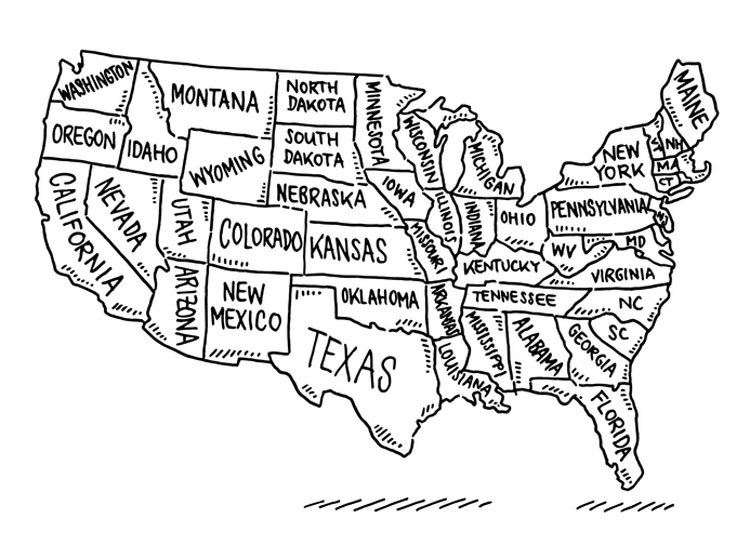

The Audiology & Speech-Language Pathology Interstate Compact (ASLP-IC) began issuing compact privileges in October 2025, with full rollout phased across 37 jurisdictions (36 states plus 1 U.S. territory). For a $50 fee per state from the Commission, plus any state-specific administrative fees, you can obtain compact privileges that function as licenses in participating states, streamlining multi-state practice.
- Emerson College - Master's in Speech-Language Pathology online - Prepare to become an SLP in as few as 20 months. No GRE required. Scholarships available.
- Grand Canyon University - Online Master of Science in Speech-Language Pathology. - This STEM program focuses on training aspiring speech-language pathologists to offer compassionate, effective services to individuals with communication disorders
- Arizona State University - Online - Online Bachelor of Science in Speech and Hearing Science - Designed to prepare graduates to work in behavioral health settings or transition to graduate programs in speech-language pathology and audiology.
- NYU Steinhardt - NYU Steinhardt's Master of Science in Communicative Sciences and Disorders online - ASHA-accredited. Bachelor's degree required. Graduate prepared to pursue licensure.
- Pepperdine University - Embark on a transformative professional and personal journey in the online Master of Science in Speech-Language Pathology program from Pepperdine University. Our program brings together rigorous academics, research-driven faculty teaching, and robust clinical experiences, all wrapped within our Christian mission to serve our communities and improve the lives of others.
The way speech-language pathologists practice across state lines is changing in 2025. The ASLP Interstate Compact began issuing applications in October 2025, with full rollout phased across participating jurisdictions. This represents a major shift in career mobility for thousands of SLPs nationwide.
This compact streamlines one of the profession’s biggest administrative barriers. Instead of applying for separate licenses in each state where you want to practice, you can obtain compact privileges that work across 37 jurisdictions (36 states plus 1 U.S. territory). This opens new opportunities for remote work, relocations, and serving patients across state borders.
This guide explains how the interstate compact works, who qualifies, what it costs, and how to apply. Whether you’re considering a move, expanding your telehealth practice, or planning for future career flexibility, understanding this system is essential.
What Is the ASLP Interstate Compact?
The Audiology & Speech-Language Pathology Interstate Compact is a legal agreement between U.S. states that allows licensed SLPs to practice in multiple states without obtaining separate licenses in each one. Think of it as a streamlined licensing system that recognizes your qualifications across state lines.
The compact was developed through collaboration between ASHA (American Speech-Language-Hearing Association), state licensing boards, and legislators. It addresses a critical need that became clear during the COVID-19 pandemic: SLPs needed easier ways to serve patients remotely and work across state boundaries.
Instead of replacing state licenses, the compact creates an additional pathway. Your home state license remains your foundation. From there, you can apply for compact privileges in other participating states.
Compact Privilege vs. Traditional License
A compact privilege functions legally as a license but with less paperwork. It grants you the same practice authority as a traditional state license. The key difference is the application process: it’s faster, costs less, and doesn’t require you to submit complete documentation packages to each state individually.
You still must follow each state’s practice laws and regulations. The compact doesn’t create uniform rules across states. It simply makes the credentialing process more efficient.
How the Interstate Compact Works
The system operates through the ASLP Interstate Compact Commission, an interstate governing body with representatives from each participating state’s licensing board. This commission oversees the compact’s administration and connects state licensing systems through a shared technology platform.
Here’s the basic process:
Step 1: You maintain an active license in your home state (where you reside or pay taxes).
Step 2: You apply for compact privileges in other participating states where you want to practice.
Step 3: The commission verifies your credentials through CompactConnect, a national database that links state licensing boards.
Step 4: Once approved, you receive compact privileges that allow you to practice in those states.
The technology behind this system represents a significant advancement. CompactConnect enables real-time verification of licenses across states. This eliminates weeks of waiting for paper applications and certified mail delivery.
Important Note: Even in member states that have enacted the compact, compact privileges cannot be used until each state’s licensing board completes onboarding to the CompactConnect system. Full rollout is phased, with some states beginning in October 2025 and others following as their systems come online.
Home State Designation
Your home state is where you hold your primary license. This is typically your state of legal residence. If you have licenses in multiple states, only one can serve as your home state for compact purposes. That’s usually where you file taxes and maintain your driver’s license.
Your home state license remains your primary credential; compact privileges are an additional pathway, not a replacement. Your home state license must meet all compact standards. It must be active, unencumbered, and allow independent practice without supervision.
Participating States
As of November 2025, 36 states plus 1 U.S. territory (37 jurisdictions total) have enacted the ASLP Interstate Compact. The compact required legislation in each jurisdiction to join, which explains why adoption happened gradually over several years.
| Region | Participating States |
|---|---|
| Northeast | Delaware, Maine, Maryland, New Hampshire, New Jersey, Pennsylvania |
| Southeast | Alabama, Georgia, Kentucky, Louisiana, Mississippi, North Carolina, South Carolina, Tennessee, Virginia, West Virginia |
| Midwest | Illinois, Indiana, Iowa, Kansas, Michigan, Minnesota, Missouri, Nebraska, North Dakota, Ohio, South Dakota, Wisconsin |
| West | Arizona, Colorado, Idaho, Nevada, Oklahoma, Texas, Utah, Washington |
| Southwest | Arkansas, New Mexico |
States not participating as of November 2025 include California, Connecticut, Florida, Massachusetts, Montana, New York, Oregon, Rhode Island, Vermont, and Wyoming. Non-participating states may join in the future as their legislatures pass enabling legislation.
Geographic coverage is extensive. The compact connects SLPs from Washington to Maine and from Texas to Michigan. This creates opportunities for both physical relocations and remote telehealth services across large portions of the country.
Qualification Requirements
Not every SLP license automatically qualifies for compact privileges. The commission established uniform standards to ensure consistent practitioner qualifications across all participating states.
| Requirement | Details |
|---|---|
| Graduate Degree | Accredited master’s degree in speech-language pathology from a program recognized by CAA or an equivalent accrediting body |
| National Examination | Passed the Praxis exam in speech-language pathology or equivalent national certification exam |
| Clinical Practicum | Completed supervised clinical practicum requirements as part of graduate education |
| Post-Graduate Experience | Completed supervised post-graduate professional experience (typically the clinical fellowship year) |
| License Status | Active, unencumbered license in good standing with no restrictions, investigations, or disciplinary actions |
| Independent Practice | The current license must authorize independent practice without required supervision |
These requirements typically align with standard state licensing requirements. But they’re important because some states have grandfathered certain practitioners or have alternative pathways to licensure. The compact establishes a uniform baseline.
Jurisprudence Examinations
Some states require jurisprudence exams that test knowledge of state-specific practice laws. If a state requires this exam for traditional licensure, you’ll still need to take it for compact privileges. This ensures you understand local regulations before practicing.
Jurisprudence requirements vary significantly. Some states don’t require these exams at all. Others mandate them for all practitioners. Check with your target state’s licensing board for specific requirements.
Costs and Fees
The compact fee structure includes charges from both the interstate commission and individual states. Understanding these costs helps you budget for multi-state practice.
| Fee Type | Amount | Paid To | Notes |
|---|---|---|---|
| Compact Privilege Fee | $50 | ASLP-IC Commission | Per the participating state where you seek privileges (excluding home state) |
| State Administrative Fee | Varies by state | Individual state | Additional state-specific fees range from $0-$200 |
| Jurisprudence Exam | $25-$75 | Individual state | Only if required by that state |
| Renewal Fees | Varies by state | Individual state | Annual or biennial, depending on state renewal cycle |
Example Cost Calculation: If you’re licensed in Iowa and want to practice in Illinois and Wisconsin, you’d pay:
- $50 to the Commission for the Illinois compact privilege
- $50 to the Commission for Wisconsin compact privilege
- Illinois state administrative fee (if any)
- Wisconsin state administrative fee (if any)
- Any required jurisprudence exam fees
This compares favorably to traditional multi-state licensing. Obtaining separate licenses in those two states could cost $300-$500 each in application fees alone, not including the time spent gathering and submitting duplicate documentation.
Application Process
Applying for compact privileges is more straightforward than traditional state licensing applications. The CompactConnect system handles much of the verification automatically.
Step 1: Verify Home State Eligibility
Confirm your home state license meets compact requirements. Your license must be active and in good standing. Contact your home state licensing board if you’re unsure about your status.
Step 2: Create a CompactConnect Account
Register on the CompactConnect platform. You’ll provide basic information and link your home state license. The system verifies your credentials with your home state board.
Step 3: Select Target States
Choose which participating states where you want privileges. You can apply for multiple states simultaneously or add states over time as your practice needs evolve.
Step 4: Complete State-Specific Requirements
Some states require jurisprudence exams or additional documentation. The platform will notify you of any state-specific requirements. Complete these before your application can be approved.
Step 5: Pay Fees
Submit payment for commission fees and any state administrative fees. The system processes these electronically.
Step 6: Receive Privileges
Once approved, you receive confirmation of your compact privileges. Processing times vary by state but are typically much faster than traditional applications.
Ongoing Maintenance
Compact privileges require maintenance just like traditional licenses. You’ll need to:
- Keep your home state license active and current
- Complete continuing education requirements for each state where you practice
- Renew compact privileges according to each state’s schedule
- Report any disciplinary actions or license changes to the commission
The good news: the CompactConnect system sends renewal reminders and can process multiple state renewals through one interface.
Benefits for Speech-Language Pathologists
 The interstate compact delivers practical advantages that extend beyond just paperwork reduction. These benefits affect career flexibility, work-life balance, and professional opportunities.
Career Mobility
Relocating between participating states becomes dramatically easier. You don’t need to start the licensing process from scratch in your new location. Apply for compact privileges before you move and begin practicing immediately upon arrival.
This particularly helps military spouses, professionals with partners who relocate for work, and anyone who wants geographic flexibility without career disruption.
Telehealth Expansion
Remote service delivery expanded significantly during the COVID-19 pandemic. The compact makes interstate telehealth legally viable. You can serve patients in multiple states from a single location.
This opens opportunities for SLPs in urban areas to serve rural patients hundreds of miles away. It allows specialists to consult with patients nationwide. And it enables SLPs to build practices that aren’t limited by geography.
Practice Near State Borders
Many SLPs work in regions where state lines are nearby. The compact eliminates complications when your practice area includes multiple states. You can serve patients on both sides of a border without maintaining multiple full licenses.
This particularly benefits SLPs working in metropolitan areas that span state lines, such as the greater Kansas City region (Kansas and Missouri) or the Washington D.C. area (District of Columbia, Maryland, and Virginia).
Continuity of Care
Patients sometimes move during treatment. The compact allows you to continue serving them in their new state if both states participate. This maintains therapeutic relationships and avoids disrupting progress.
For pediatric SLPs, especially, this preserves critical relationships. Children benefit from consistency. Being able to continue services remotely when a family relocates can be clinically valuable.
Professional Development Opportunities
The compact makes it easier to participate in multi-state clinical projects, research collaborations, and professional development activities. You can supervise clinical fellows in other states, consult on cases across state lines, and engage in professional activities without licensing barriers.
Current Status and Considerations
The compact reached a major milestone in October 2025 when the first states began issuing compact privileges. Full activation across all 37 member jurisdictions remains in progress as individual state licensing boards complete their onboarding to the CompactConnect platform.
Implementation Progress
Early-adopting states like Louisiana and West Virginia successfully issued compact privileges beginning in October 2025. The phased rollout allows each state to ensure proper system integration before activating privileges. The CompactConnect platform provides the technical infrastructure, but each state’s licensing board must complete onboarding steps.
The technology infrastructure has proven robust in initial implementations. CompactConnect successfully handles the complex task of verifying credentials across different state licensing systems. This represents significant progress in interstate healthcare licensing coordination.
Telehealth Reimbursement Considerations
Having compact privileges doesn’t automatically guarantee insurance reimbursement for telehealth services. Medicare, Medicaid, and private insurers have their own coverage policies.
Medicare telehealth coverage for SLPs has experienced policy uncertainty. While the compact provides legal authority to practice across state lines, reimbursement remains a separate consideration. Check with payers about their specific telehealth policies before assuming coverage.
Private insurers increasingly cover telehealth, but with varying requirements. For example, some private insurers still require an in-state traditional license even if you hold a compact privilege for that state. Others accept compact privileges for telehealth services. Verify payer policies in each state where you plan to practice.
Limitations to Understand
The compact doesn’t create unlimited practice authority. You must still:
- Follow each state’s practice act and regulations
- Meet each state’s continuing education requirements
- Maintain professional liability insurance that covers all practice locations
- Comply with each state’s supervision requirements for assistants and aides
- Adhere to each state’s documentation and record-keeping standards
State practice laws vary more than many realize. What’s standard practice in one state might be prohibited in another. Research the laws in each state where you practice.
Future Expansion
Additional states may join the compact as their legislatures pass enabling legislation. If you practice in or want to serve patients in non-participating states, track legislative developments in those locations.
Professional associations like ASHA continue advocating for broader compact participation. The ultimate goal is nationwide coverage.
Frequently Asked Questions
Which states participate in the ASLP Interstate Compact?
As of November 2025, 36 states plus 1 U.S. territory (37 jurisdictions total) have enacted the interstate compact. Participating states include Alabama, Arizona, Arkansas, Colorado, Delaware, Georgia, Idaho, Illinois, Indiana, Iowa, Kansas, Kentucky, Louisiana, Maine, Maryland, Michigan, Minnesota, Mississippi, Missouri, Nebraska, Nevada, New Hampshire, New Jersey, New Mexico, North Carolina, North Dakota, Ohio, Oklahoma, Pennsylvania, South Carolina, South Dakota, Tennessee, Texas, Utah, Virginia, Washington, West Virginia, and Wisconsin. Check the official ASLP-IC website for the most current list, as additional jurisdictions may join through legislative action.
How much does the interstate compact cost?
The ASLP Interstate Compact Commission charges $50 per state where you seek compact privilege beyond your home state. Individual states may charge additional administrative fees ranging from $0 to $200. For example, if you’re licensed in Iowa and want to practice in Wisconsin and Illinois, you’d pay $50 to the commission for Wisconsin and $50 for Illinois, plus any state-specific administrative fees those states require. Some states also charge jurisprudence exam fees if required.
What are the qualification requirements for the interstate compact?
To qualify for compact privileges, you must have an active, unencumbered license in a participating state, hold an accredited master’s degree in speech-language pathology, have passed a national exam (Praxis), have completed a supervised practicum during graduate school, and have finished supervised post-graduate professional experience (clinical fellowship). Your license must allow independent practice without required supervision. These requirements ensure uniform practitioner standards across all participating states.
Can I still maintain my individual state licenses?
Yes, you can maintain multiple individual state licenses if you already have them. The compact provides an alternative pathway but doesn’t require you to give up existing licenses. However, for compact purposes, only one license can be designated as your home license. This is typically the license in your state of legal residence, where you pay taxes and maintain a driver’s license. The compact offers a more streamlined option than maintaining multiple traditional licenses.
Do I need to take jurisprudence exams in each state?
It depends on the state. If a state requires a jurisprudence exam for traditional licensure, you must take it to obtain compact privilege in that state. These exams test knowledge of state-specific practice laws and regulations. Not all states require jurisprudence exams. The CompactConnect platform will notify you of any state-specific requirements when you apply for privileges. This ensures practitioners understand local regulations before providing services.
How long does it take to get compact privileges approved?
Processing times vary by state but are significantly faster than traditional licensing applications. Most states process compact privilege applications within 2-4 weeks once all requirements are met. The CompactConnect system automates credential verification, which eliminates much of the waiting time associated with manual document review and verification. If a state requires a jurisprudence exam, add time for scheduling and completing that exam to your timeline.
Will insurance cover telehealth services under compact privileges?
Compact privileges provide legal authority to practice across state lines, but insurance reimbursement is a separate issue. Coverage policies vary by payer. Medicare telehealth authority for SLPs requires specific federal authorization beyond state licensure. Medicaid policies vary by state. Private insurers have their own telehealth coverage policies. Some accept compact privileges while others require traditional in-state licenses. Always verify coverage policies with specific payers before providing services, especially for telehealth.
Key Takeaways
- The ASLP Interstate Compact began issuing privileges in October 2025, connecting licensed SLPs in 37 jurisdictions (36 states plus 1 U.S. territory) through a streamlined credentialing system, with full rollout phased as states complete onboarding.
- Compact privileges cost $50 per state from the Commission, plus any state-specific administrative fees, making multi-state practice significantly more affordable than traditional licensing in multiple jurisdictions.
- Your home state license remains your primary credential; compact privileges are an additional pathway, not a replacement. You must maintain an active license that meets uniform qualification standards, including an accredited master’s degree, national exam passage, and completed clinical experience.
- Compact privileges cannot be used until each state completes CompactConnect onboarding, so check your target state’s activation status before relying on privileges for practice authorization.
- Compact privileges expand career opportunities for telehealth services, relocations, border-region practice, and continuing care when patients move between participating states.
- Insurance reimbursement requires separate verification as compact privileges provide legal authority but don’t guarantee payer coverage. Some private insurers still require traditional in-state licenses even if you hold compact privileges.
- Emerson College - Master's in Speech-Language Pathology online - Prepare to become an SLP in as few as 20 months. No GRE required. Scholarships available.
- Grand Canyon University - Online Master of Science in Speech-Language Pathology. - This STEM program focuses on training aspiring speech-language pathologists to offer compassionate, effective services to individuals with communication disorders
- Arizona State University - Online - Online Bachelor of Science in Speech and Hearing Science - Designed to prepare graduates to work in behavioral health settings or transition to graduate programs in speech-language pathology and audiology.
- NYU Steinhardt - NYU Steinhardt's Master of Science in Communicative Sciences and Disorders online - ASHA-accredited. Bachelor's degree required. Graduate prepared to pursue licensure.
- Pepperdine University - Embark on a transformative professional and personal journey in the online Master of Science in Speech-Language Pathology program from Pepperdine University. Our program brings together rigorous academics, research-driven faculty teaching, and robust clinical experiences, all wrapped within our Christian mission to serve our communities and improve the lives of others.
Ready to Expand Your SLP Career Opportunities?
Understanding the interstate compact is just the first step. Explore accredited graduate programs that prepare you for a career with unlimited geographic flexibility.
Professional Licensing Disclaimer: This article provides general information about the ASLP Interstate Compact. Licensing requirements, compact participation, and regulations vary by state and may change over time. Contact your state licensing board and the ASLP-IC Commission for official guidance specific to your situation. This content does not constitute legal or professional licensing advice.