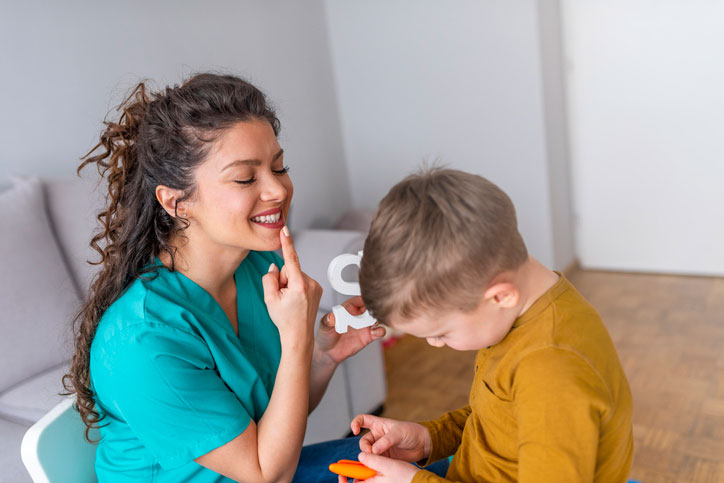

The 2020 pandemic school closures created significant developmental delays in children. A 2023 ASHA member survey found nearly 70% of responding SLPs reported increased referrals compared to 2020 levels. The Bureau of Labor Statistics projects 18% growth in SLP positions from 2022 to 2032, adding 15,200 new jobs driven largely by pediatric cases requiring specialized child language disorder expertise.
When schools closed their doors in March 2020, few anticipated the lasting impact on child development. Now, five years later, the consequences are clear: a generation of children showing measurable delays in language development, social communication, and speech milestones.
For speech-language pathology students and early-career SLPs, this challenge represents a significant career opportunity. The field is experiencing unprecedented demand for professionals trained in pediatric speech disorders, particularly those who understand the unique developmental patterns emerging from pandemic-era isolation.
This article examines the post-pandemic surge in pediatric speech pathology referrals, the specific developmental challenges children are facing, and how aspiring SLPs can position themselves for this growing specialty area.
- Emerson College - Master's in Speech-Language Pathology online - Prepare to become an SLP in as few as 20 months. No GRE required. Scholarships available.
- Grand Canyon University - Online Master of Science in Speech-Language Pathology. - This STEM program focuses on training aspiring speech-language pathologists to offer compassionate, effective services to individuals with communication disorders
- Arizona State University - Online - Online Bachelor of Science in Speech and Hearing Science - Designed to prepare graduates to work in behavioral health settings or transition to graduate programs in speech-language pathology and audiology.
- NYU Steinhardt - NYU Steinhardt's Master of Science in Communicative Sciences and Disorders online - ASHA-accredited. Bachelor's degree required. Graduate prepared to pursue licensure.
- Pepperdine University - Embark on a transformative professional and personal journey in the online Master of Science in Speech-Language Pathology program from Pepperdine University. Our program brings together rigorous academics, research-driven faculty teaching, and robust clinical experiences, all wrapped within our Christian mission to serve our communities and improve the lives of others.
The Pandemic’s Impact on Child Development
The sudden shift to remote learning and social isolation in 2020 disrupted critical developmental periods for millions of children. From toddlers missing early peer interactions to school-age children losing daily communication practice, the effects are now quantifiable through standardized testing.
Research shows measurable declines in both developmental and educational test scores across multiple age groups when compared to pre-pandemic baselines. Children who spent their formative years in isolation are now entering school systems with gaps in language acquisition, pragmatic communication skills, and social-emotional development.
The isolation didn’t just limit social interaction. Screen time surged as in-person play became unavailable. A 2024 study from Drexel University researchers found that toddlers with higher screen-viewing consumption showed atypical sensory-processing behaviors compared to their peers, potentially compounding language development challenges.
Caregiver stress during the pandemic may have also played a role. As parents juggled work, childcare, and pandemic anxiety, some may have been less responsive to early communication attempts from young children, potentially contributing to developmental delays.
Why SLPs Are Seeing a Surge in Referrals

According to a 2023 survey conducted by ASHA (American Speech-Language-Hearing Association), nearly 70% of responding speech-language pathologists reported increases in speech-language referrals compared to 2020 levels. While this represents member self-reporting rather than national registry data, the pattern is consistent across regions and practice settings.
The children arriving for services present with more complex profiles than typical pediatric caseloads. SLPs report that these children show higher rates of emotional and behavioral issues alongside their communication delays. Delayed language development appears in combination with social communication problems, creating treatment plans that require more comprehensive approaches.
The primary driver? Limited opportunities for social interaction and peer play time during critical developmental windows. When you remove daily exposure to conversational turns, playground negotiation, and classroom discourse, language development naturally lags.
While researchers caution it’s too early to definitively attribute all delays to COVID-19 isolation, the correlation is striking. Healthcare disruptions also meant many routine screenings and early interventions were postponed, allowing developmental concerns to progress without treatment.
Understanding the Developmental Delays
The developmental delays SLPs are treating fall into distinct patterns. Understanding these categories helps aspiring speech pathologists prepare for the cases they’ll encounter.
| Delay Type | Common Symptoms | Age Groups Affected |
|---|---|---|
| Language Development | Limited vocabulary, difficulty with grammar, trouble following multi-step directions | Toddlers through early elementary |
| Social Communication | Difficulty with conversational turn-taking, limited peer interaction skills, and challenges with nonverbal cues | Preschool through middle school |
| Pragmatic Language | Trouble with context-appropriate speech, difficulty understanding social rules of communication | Elementary through high school |
| Emotional Regulation | Behavioral issues during communication attempts, frustration with language tasks, and anxiety in social situations | All age groups |
These delays don’t exist in isolation. Children often present with overlapping challenges that require integrated treatment approaches addressing multiple developmental domains simultaneously.
How to Prepare for Pediatric SLP Careers
The best preparation for addressing pandemic-related developmental delays is comprehensive education. SLP master’s degree programs increasingly emphasize pediatric practice, but students can take strategic steps to specialize.
Graduate Program Considerations
When evaluating programs, look for strong pediatric coursework and faculty specializing in child language disorders. Programs with dedicated pediatric tracks or concentrations provide deeper exposure to developmental assessment and intervention strategies.
Research opportunities matter too. Programs conducting studies on post-pandemic development give you firsthand exposure to emerging treatment protocols and position you as knowledgeable about current trends when entering the job market.
| Preparation Area | Action Steps | Timeline |
|---|---|---|
| Coursework Selection | Take electives in child language disorders, developmental psychology, and pediatric assessment | During the graduate program |
| Clinical Fellowship | Seek placements in school systems, pediatric clinics, or early intervention programs | Post-graduation year |
| School System Knowledge | Study IDEA (Individuals with Disabilities Education Act) and IEP development processes | Throughout program |
| Telepractice Skills | Complete coursework or training in virtual therapy delivery and digital assessment tools | Before entering the job market |
| Professional Development | Attend conferences on developmental disorders, join ASHA special interest groups | Ongoing |
Understanding IDEA and IEPs
Working with school-age children means understanding the Individuals with Disabilities Education Act (IDEA) and the Individualized Education Plans (IEPs) it requires. These legal frameworks govern how children with communication disorders receive services in educational settings.
Graduate programs cover this material, but supplemental training in educational law, advocacy, and collaborative team approaches strengthens your readiness for school-based practice. Many pandemic-affected children will receive services through school systems, making this knowledge essential.
The Growing Demand for Child Language Specialists
 The demand for pediatric SLPs extends beyond anecdotal reports from overwhelmed practices. Bureau of Labor Statistics data projects the number of SLP positions will increase by 15,200 jobs from 2022 to 2032, growing from 171,400 to 186,600 positions. This represents 18% growth, significantly faster than the average occupation in the United States.
While this growth reflects general aging population trends and increased awareness of communication disorders, the pandemic cohort accelerates demand in the pediatric sector specifically. Practices specializing in children’s services report being “swamped by referrals,” according to ASHA Leader reports.
Where the Jobs Are
Pediatric SLPs work across multiple settings, each offering different career experiences:
School Systems: The largest employer of pediatric SLPs, offering steady schedules and opportunities to work with diverse caseloads. The pandemic’s impact is most visible here as children progress through grades, showing developmental gaps.
Private Practices: Clinics specializing in pediatric services report capacity constraints as referrals exceed availability. These settings often provide opportunities for specialized focus areas and direct client relationships.
Early Intervention Programs: State-funded programs serving children from birth to age three are critical entry points for addressing delays early. These positions require strong family education skills alongside clinical expertise.
Hospitals and Medical Centers: Pediatric departments employ SLPs for complex cases involving medical conditions, feeding disorders, and children requiring intensive intervention.
Building Your Expertise in Telepractice
One positive outcome from pandemic disruptions was the rapid evolution of telepractice in speech-language pathology. What began as emergency remote services has matured into sophisticated virtual treatment protocols with proven effectiveness.
Today’s SLPs can reach more clients efficiently through telepractice, which is particularly valuable when facing the increased caseload demands from pandemic-related delays. Virtual visits allow practitioners to serve children in rural areas, accommodate busy family schedules, and maintain continuity of care during illness or weather disruptions.
Graduate programs increasingly offer telepractice training, but students should actively seek this education if it’s not required. Competency in digital platforms, virtual assessment tools, and remote engagement strategies makes you more versatile and valuable to employers.
The Virtual Reality Advantage
Some forward-thinking programs are piloting virtual reality therapy training, representing an emerging area of telepractice innovation. While VR applications for speech therapy aren’t yet standard across graduate education, early research shows promise for engagement and skill generalization, particularly with school-age children.
Though not essential for entry-level positions and not yet widely available, exposure to emerging technologies signals forward-thinking readiness when such training is offered. Consider online SLP programs that naturally build comfort with digital professional practice environments as the field continues evolving.
Career Outlook and Opportunities
The convergence of pandemic-related delays and general SLP workforce shortages creates favorable conditions for career entry and advancement. Understanding the landscape helps you make strategic decisions throughout your path to becoming licensed.
| Career Stage | Opportunity | Competitive Advantage |
|---|---|---|
| Undergraduate | Position yourself for competitive graduate admissions | Volunteer with children’s programs, shadow pediatric SLPs, and study child development |
| Graduate Student | Build specialized expertise in child language disorders | Choose pediatric clinical placements, complete a thesis on developmental topics, and join the pediatric SIG |
| Clinical Fellow | Gain intensive experience with the pandemic cohort | Seek fellowship in a high-volume pediatric setting, document diverse case experiences |
| Early Career | Establish a reputation in a growing specialty area | Pursue additional certifications, develop expertise in specific delay types, and mentor students |
Geographic Considerations
Demand exists nationwide, but the pandemic’s impact varied by region based on school closure duration and local policies. Areas with extended closures may show more pronounced developmental delays, creating higher caseload concentrations.
However, telepractice diminishes geographic constraints. Many SLPs now maintain multi-state licensure, serving clients across regions from a single location. This flexibility allows you to access opportunities regardless of physical location.
Long-Term Career Trajectory
Today’s graduate students will work with the pandemic cohort throughout their careers as these children progress through developmental stages. A student entering elementary school in 2025 won’t graduate high school until 2037, creating sustained demand for SLPs who understand the unique needs of this population.
Early specialization in pandemic-related developmental patterns positions you as an expert resource throughout this extended timeline. As the cohort moves from early intervention to school services to adolescent support, your expertise remains relevant and in demand.
Frequently Asked Questions
How did the pandemic create developmental delays in children?
School closures and social isolation during 2020-2021 removed children from critical developmental environments during key language acquisition periods. Limited peer interaction, reduced conversational practice, and disrupted educational routines created gaps in language development, social communication skills, and pragmatic language use. Increased screen time and caregiver stress may have compounded these effects.
What types of developmental delays are SLPs seeing most?
SLPs report increases in three main areas: language development delays (limited vocabulary and grammar), social communication problems (difficulty with peer interaction and conversational skills), and emotional-behavioral issues that accompany communication challenges. Many children present with overlapping concerns requiring comprehensive treatment approaches rather than isolated interventions.
How can I prepare to treat children with pandemic-related delays?
Focus your graduate education on pediatric coursework and child language disorder specializations. Seek clinical placements in school systems and pediatric settings. Learn IDEA regulations and IEP processes since many affected children receive school-based services. Develop telepractice competency, as virtual therapy remains important for reaching all children needing services. Stay current with research on post-pandemic development patterns.
What specializations are most in demand for pediatric SLPs?
Child language disorders expertise is most critical, particularly for school-age populations. Social communication intervention skills are increasingly valuable as many children show pragmatic language deficits. Telepractice certification helps you reach more clients efficiently. Understanding trauma-informed care and behavioral integration approaches also strengthens your ability to treat complex cases, combining communication and emotional challenges.
How long will this increased demand for pediatric SLPs last?
The pandemic cohort will require services throughout their developmental trajectory. Children who experienced delays as toddlers in 2020 will progress through elementary, middle, and high school over the next decade. This creates sustained demand rather than a temporary spike. Additionally, general demographic trends show 18% growth in SLP positions from 2022 to 2032 (adding 15,200 jobs), regardless of pandemic effects, making pediatric specialization a stable long-term career path.
Do I need to work in schools to treat pandemic-affected children?
No. While school systems employ the most pediatric SLPs and serve many pandemic-affected children through IEPs, private practices, early intervention programs, hospitals, and telepractice services all treat these cases. Your work setting choice depends on your preferred practice environment, but pediatric expertise remains valuable across all settings currently experiencing increased caseloads.
What’s the career growth rate for pediatric speech-language pathologists?
The Bureau of Labor Statistics projects 18% growth for all speech-language pathologists from 2022 to 2032, adding 15,200 new positions (growing from 171,400 to 186,600 jobs). This is much faster than average occupation growth. Pediatric specialization positions you for this growth, particularly as the pandemic cohort sustains demand and degree programs produce fewer graduates than positions available. Geographic flexibility through telepractice further expands opportunities.
Key Takeaways
- The 2020 pandemic created measurable developmental delays in children. A 2023 ASHA member survey found nearly 70% of responding SLPs reported increased referrals compared to 2020 for language, social communication, and behavioral issues related to isolation during critical developmental periods.
- The Bureau of Labor Statistics projects 18% growth in SLP positions from 2022 to 2032, adding 15,200 new jobs (from 171,400 to 186,600 positions), with pediatric specializations experiencing particularly high demand driven by pandemic-affected children progressing through school systems.
- Graduate students should prioritize pediatric coursework, child language disorder specializations, and clinical placements in school or early intervention settings to prepare for treating post-pandemic developmental delays.
- Understanding IDEA regulations and IEP processes is essential for school-based practice, where most pandemic-affected children receive speech-language services through educational accommodations.
- Telepractice competency has become a valuable skill for pediatric SLPs, expanding reach to underserved areas and increasing caseload capacity while maintaining treatment effectiveness.
- The pandemic cohort will require services throughout their developmental trajectory into the next decade, creating sustained career opportunities rather than temporary demand spikes for SLPs specializing in child language disorders.
Start Your Career in Pediatric Speech-Language Pathology
The growing demand for pediatric SLPs creates exceptional opportunities for students entering the field. Explore CAA-accredited graduate programs offering strong pediatric tracks and prepare yourself to make a meaningful difference for children recovering from pandemic-related developmental delays.