
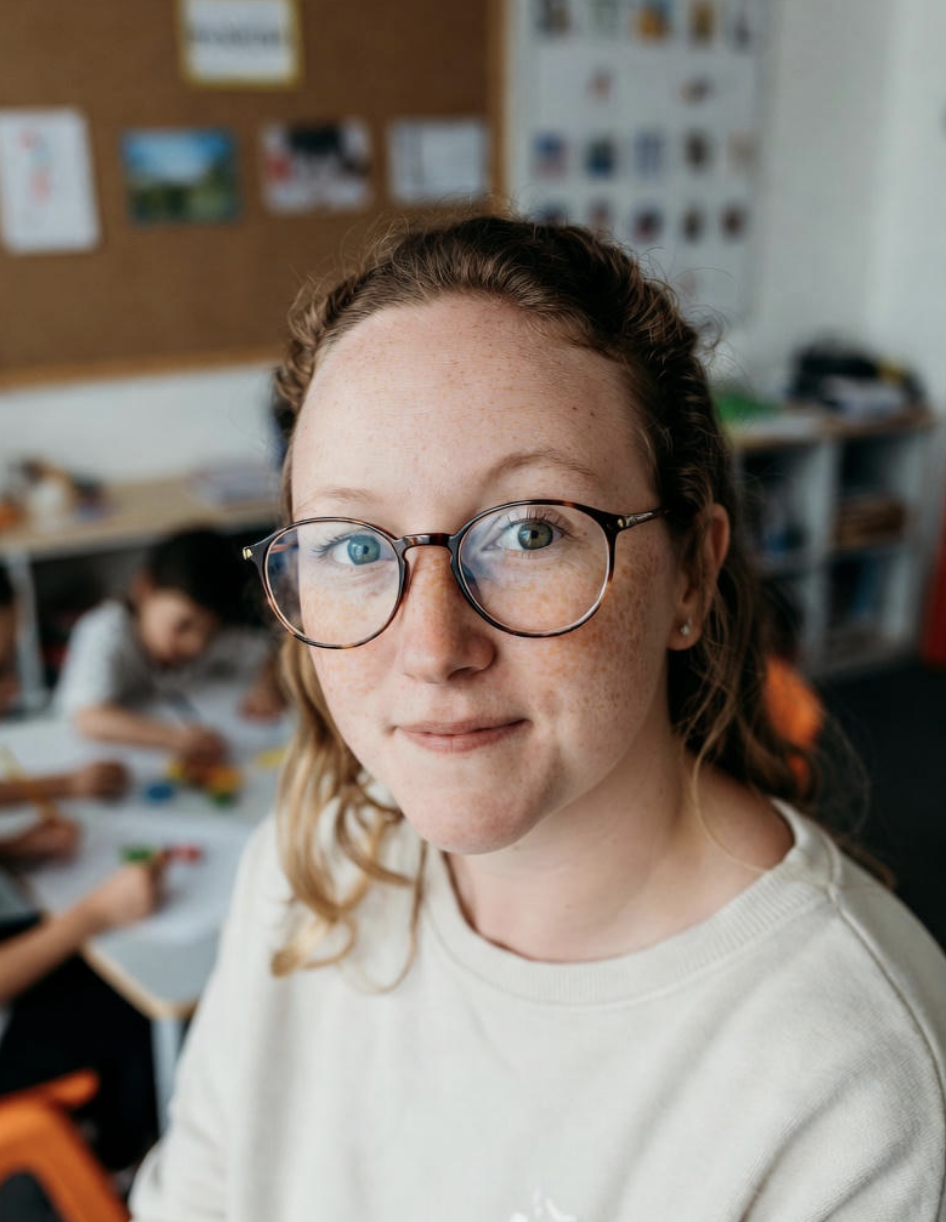
Becoming a pediatric speech-language pathologist requires a master’s degree in speech-language pathology (typically 2 years), completion of 400+ clinical hours including pediatric placements, passing the Praxis examination, obtaining state licensure, and earning the ASHA Certificate of Clinical Competence (CCC-SLP). The complete pathway takes approximately 6-7 years: 4 years for a bachelor’s degree + 2 years for a master’s program + 9-12 months for the Clinical Fellowship Year.
- Emerson College - Master's in Speech-Language Pathology online - Prepare to become an SLP in as few as 20 months. No GRE required. Scholarships available.
- Arizona State University - Online - Online Bachelor of Science in Speech and Hearing Science - Designed to prepare graduates to work in behavioral health settings or transition to graduate programs in speech-language pathology and audiology.
- Pepperdine University - Embark on a transformative professional and personal journey in the online Master of Science in Speech-Language Pathology program from Pepperdine University. Our program brings together rigorous academics, research-driven faculty teaching, and robust clinical experiences, all wrapped within our Christian mission to serve our communities and improve the lives of others.
- Aurora University - BS Communication Sciences and Disorders program - Discover how to transform lives by identifying and treating communication disorders for people of all ages. You’ll gain hands-on experience while fulfilling requirements toward graduate education.
- Arkansas State University - Dyslexia Certificate - Build upon your teaching expertise by adding a specialization in dyslexia with their Dyslexia Certificate online program.
- Eastern Oregon University - Master of Science in Education with a specialization in Dyslexia - Provides an advanced study of best practices and applications for PK–12 contexts with a specialization in Dyslexia.
- The University of West Alabama - Master of Education in Dyslexia Therapy - Enter an emerging field to support students with dyslexia and related reading challenges by earning your MEd in Dyslexia Therapy degree.
Approximately 1 in 12 children in the United States experiences a speech, language, or swallowing disorder that impacts their ability to communicate effectively. For many of these children and their families, a pediatric speech-language pathologist becomes a life-changing partner in unlocking their voice and potential. These specialized clinicians work with children from infancy through adolescence, addressing everything from developmental delays and stuttering to complex conditions like autism spectrum disorders and childhood apraxia of speech.
If you’re passionate about helping children overcome communication challenges and thrive in school, social settings, and daily life, a career as a pediatric speech-language pathologist offers both profound personal rewards and strong professional prospects. The field is experiencing robust growth, with the U.S. Bureau of Labor Statistics projecting 14% job growth through 2032—much faster than the average for all occupations. Pediatric SLPs enjoy competitive salaries ranging from $55,000 for entry-level positions to over $130,000 for experienced practitioners, along with the flexibility to work in diverse settings, including schools, hospitals, private practices, and specialty clinics.
This comprehensive guide walks you through the complete pathway to becoming a pediatric speech-language pathologist, from undergraduate preparation through licensure and specialization. Whether you’re just beginning to explore this rewarding career or you’re already committed to pursuing your master’s degree, you’ll find the detailed information you need to plan your educational journey and launch a successful pediatric SLP career.
- Emerson College - Master's in Speech-Language Pathology online - Prepare to become an SLP in as few as 20 months. No GRE required. Scholarships available.
- Arizona State University - Online - Online Bachelor of Science in Speech and Hearing Science - Designed to prepare graduates to work in behavioral health settings or transition to graduate programs in speech-language pathology and audiology.
- Pepperdine University - Embark on a transformative professional and personal journey in the online Master of Science in Speech-Language Pathology program from Pepperdine University. Our program brings together rigorous academics, research-driven faculty teaching, and robust clinical experiences, all wrapped within our Christian mission to serve our communities and improve the lives of others.
- Aurora University - BS Communication Sciences and Disorders program - Discover how to transform lives by identifying and treating communication disorders for people of all ages. You’ll gain hands-on experience while fulfilling requirements toward graduate education.
- Arkansas State University - Dyslexia Certificate - Build upon your teaching expertise by adding a specialization in dyslexia with their Dyslexia Certificate online program.
- Eastern Oregon University - Master of Science in Education with a specialization in Dyslexia - Provides an advanced study of best practices and applications for PK–12 contexts with a specialization in Dyslexia.
- The University of West Alabama - Master of Education in Dyslexia Therapy - Enter an emerging field to support students with dyslexia and related reading challenges by earning your MEd in Dyslexia Therapy degree.
What is a Pediatric Speech Pathologist?
A pediatric speech pathologist, also called a pediatric speech-language pathologist or pediatric SLP, is a licensed healthcare professional who specializes in evaluating, diagnosing, and treating communication and swallowing disorders in children from birth through age 18. Unlike general SLPs who work with patients across the lifespan, pediatric SLPs focus exclusively on the unique developmental, behavioral, and medical needs of infants, toddlers, children, and adolescents. While many SLPs serve patients of all ages, those specializing in pediatrics typically gain additional experience in early intervention programs, school-based settings, and pediatric medical facilities, developing deep expertise in child-specific communication disorders and family-centered care approaches.
Pediatric speech pathology encompasses the study and treatment of a wide range of conditions affecting children’s ability to communicate effectively. These include speech sound disorders (articulation and phonological disorders), language delays and disorders, fluency disorders like stuttering, voice disorders, child language disorders, and swallowing difficulties. Pediatric SLPs also play a crucial role in supporting children with neurodevelopmental conditions such as autism spectrum disorders, cerebral palsy, Down syndrome, and developmental delays.
What sets pediatric SLPs apart is their specialized knowledge of child development, pediatric medical conditions, and family-centered care approaches. They understand how communication skills emerge and develop from infancy through adolescence, and they’re trained to recognize when a child’s progress deviates from typical developmental milestones. Pediatric SLPs work closely with families, educators, and other healthcare professionals to create comprehensive treatment plans that support each child’s unique needs and help them reach their full communication potential.
What Does a Pediatric Speech Pathologist Do?
Pediatric speech-language pathologists perform three primary functions in their daily work: screening and assessment, diagnosis, and treatment. Each of these components requires specialized skills, clinical judgment, and a deep understanding of child development and pediatric communication disorders.
Screening and Assessment
The process begins when a pediatric SLP conducts an initial screening to identify potential communication or swallowing concerns. This might happen through a referral from a pediatrician, teacher, or parent who has noticed developmental delays or difficulties. During the comprehensive assessment phase, the SLP gathers detailed information about the child’s medical history, developmental milestones, and current communication abilities through standardized tests, observations, parent interviews, and play-based interactions.
For young children, assessment often involves creative approaches like play-based evaluation, where the SLP observes how a child communicates naturally during activities. For school-age children, assessments may include formal testing of vocabulary, grammar, reading comprehension, and pragmatic language skills. The SLP evaluates all aspects of communication: receptive language (understanding), expressive language (speaking), articulation, fluency, voice quality, and pragmatic skills (social communication).
Diagnosis
Following the assessment, the pediatric SLP analyzes the results to arrive at an accurate diagnosis. Common diagnoses include childhood apraxia of speech (where a child knows what they want to say but struggles with the motor planning to say it), phonological disorders (difficulty with speech sound patterns), expressive and receptive language disorders, stuttering, voice disorders, and feeding and swallowing disorders. For children with complex medical conditions, the SLP may diagnose secondary communication challenges related to conditions like cerebral palsy, cleft palate, or traumatic brain injury.
The diagnostic process is critical for determining the most appropriate intervention approach and may involve collaboration with other professionals, such as audiologists, occupational therapists, psychologists, and physicians, to ensure a comprehensive understanding of the child’s needs.
Treatment and Intervention
Once a diagnosis is established, the pediatric SLP develops and implements an individualized treatment plan. Therapy sessions are carefully designed to be developmentally appropriate, engaging, and meaningful for each child. For toddlers and preschoolers, therapy often looks like play, incorporating toys, games, songs, and movement activities that naturally encourage communication. For school-age children, therapy might include structured activities that build specific language skills, improve articulation, or develop social communication abilities.
Pediatric SLPs use evidence-based treatment approaches tailored to each child’s diagnosis and needs. These may include articulation therapy (teaching correct sound production), language intervention (building vocabulary, grammar, and comprehension), fluency therapy (managing stuttering), voice therapy (improving vocal quality), and feeding therapy (addressing swallowing difficulties or oral-motor challenges). Family education and coaching are integral components of treatment, as parents and caregivers learn strategies to support their child’s communication development at home and in the community.
6 Steps to Become a Pediatric Speech Pathologist
The pathway to becoming a pediatric speech-language pathologist is rigorous and requires dedication, but the career rewards are substantial. Here’s a detailed breakdown of the six essential steps you’ll need to complete.
Step 1: Earn a Bachelor’s Degree in Communication Sciences and Disorders or Related Field
Your journey begins with a four-year undergraduate degree. While you don’t need a specific major to eventually become an SLP, most successful applicants complete a bachelor’s degree in Communication Sciences and Disorders (CSD), Speech and Hearing Sciences, or a closely related field. These programs provide foundational knowledge in anatomy and physiology of speech and hearing mechanisms, phonetics, language development, speech science, and an introduction to communication disorders across the lifespan.
If you major in a different field like psychology, education, linguistics, biology, or neuroscience, you’ll need to complete prerequisite coursework before or during your master’s program. These prerequisites typically include courses in phonetics, anatomy and physiology of speech and hearing, child language development, and introduction to audiology. During your undergraduate years, seek out volunteer experiences or observation hours in speech-language pathology settings, particularly those serving children. Many graduate programs require or strongly prefer applicants who have shadowed SLPs and can articulate informed reasons for pursuing the profession.
Maintain a strong GPA throughout your undergraduate education—competitive graduate programs typically look for GPAs of 3.0 or higher, with many accepted students averaging 3.5 or above. Some programs require the GRE (Graduate Record Examination), though an increasing number of programs have made this optional or eliminated the requirement altogether. Research your target programs early to understand their specific admission requirements and deadlines, as the application process for SLP graduate programs is highly competitive, with many programs accepting only 10-30% of applicants.
Step 2: Complete a Master’s Degree in Speech-Language Pathology
A master’s degree in speech-language pathology from a program accredited by the Council on Academic Accreditation in Audiology and Speech-Language Pathology (CAA) is required to become a licensed SLP. This intensive graduate program typically takes two years of full-time study, though some programs offer part-time or accelerated options that may extend to three years or condense to 20 months, respectively.
During your master’s program, you’ll complete rigorous academic coursework covering the full scope of speech-language pathology practice, including advanced study in language disorders, articulation and phonological disorders, fluency disorders, voice disorders, dysphagia, neurological communication disorders, and motor speech disorders. You’ll gain in-depth knowledge of assessment procedures, intervention strategies, research methods, and professional ethics. Programs also include specialized coursework in areas like augmentative and alternative communication, cultural and linguistic diversity, and evidence-based practice.
When selecting a graduate program, consider factors beyond just accreditation and admission requirements. Look for programs that offer strong pediatric clinical training opportunities, as not all programs provide equal exposure to child populations. Research whether the program has partnerships with local schools, children’s hospitals, early intervention programs, or pediatric specialty clinics. If you’re interested in specific pediatric populations such as children with autism or feeding disorders, seek programs with faculty expertise in those areas. Additionally, consider whether you prefer a traditional on-campus program or one of the increasingly available online or hybrid SLP programs that offer greater flexibility.
The cost of graduate education varies significantly, ranging from approximately $30,000 for in-state students at public universities to over $100,000 at private institutions. Research funding opportunities, including graduate assistantships, scholarships specifically for SLP students, and federal financial aid options. According to ASHA’s certification requirements, your graduate program must be CAA-accredited in order for you to be eligible for national certification, so verify accreditation status before applying.
Step 3: Complete a Minimum of 400 Clinical Hours
Clinical experience is at the heart of SLP education, and you’ll need to accumulate at least 400 supervised clinical clock hours to meet certification requirements. These hours begin during your graduate program and are carefully supervised by licensed, certified SLPs who serve as clinical educators. The 400-hour requirement includes a mix of different clinical experiences across various settings, age groups, and disorder types.
For aspiring pediatric SLPs, it’s essential to maximize your exposure to child populations during these clinical placements. Seek opportunities in settings such as elementary and preschool programs, pediatric hospitals, early intervention programs (serving children birth to three), outpatient pediatric clinics, and private practices specializing in child speech therapy. Try to gain experience with diverse pediatric populations and disorders, from toddlers with language delays to school-age children with articulation disorders to adolescents with voice disorders or stuttering.
Your clinical hours must include at least 325 hours at the graduate level and should represent experience in both assessment and treatment across the major areas of speech-language pathology. While you don’t need to accumulate all 400 hours exclusively with children if you want to specialize in pediatrics, having substantial pediatric experience (ideally 200+ hours) will make you a more competitive candidate for pediatric positions after graduation. Document your clinical hours carefully using ASHA’s tracking system, as you’ll need to verify these hours when applying for certification and licensure.
Step 4: Pass the Praxis Examination and Obtain State Licensure
After completing your master’s degree and clinical hours, you must pass the Praxis Examination in Speech-Language Pathology, a standardized national test administered by Educational Testing Service (ETS). The Praxis Speech-Language Pathology examination is a comprehensive computer-based test that assesses your knowledge across all areas of speech-language pathology practice. The test includes 132 multiple-choice questions covering content in foundational knowledge (basic human communication processes, phonology, fluency, voice, and motor speech), clinical management (assessment, intervention, evaluation), and professional issues (ethics, evidence-based practice, interprofessional practice).
The passing score required for ASHA certification is 162 out of 200 points, though some states may have different passing score requirements for licensure. Most students take the Praxis during their final semester of graduate school or shortly after graduation. ETS offers official study materials, practice tests, and study guides, and many graduate programs provide test preparation support. The test fee is currently around $120, and scores are typically available within two to three weeks of your test date.
In addition to passing the Praxis, you must obtain a state license to practice as an SLP in most U.S. states and territories. State licensing requirements vary significantly, but most states require graduation from a CAA-accredited program, passing the Praxis, and completing a supervised professional experience (Clinical Fellowship Year, discussed in Step 5). Some states have additional requirements, such as state-specific jurisprudence exams, background checks, or continuing education. Research the specific licensure requirements for the state where you plan to practice early in your education, as some states have more stringent requirements or longer application processing times.
Step 5: Complete the Clinical Fellowship Year (CFY)
The Clinical Fellowship Year is a supervised professional experience that bridges the gap between graduate education and independent practice. This mentored period requires a minimum of 36 weeks of full-time clinical work (or the part-time equivalent) under the supervision of an ASHA-certified SLP who serves as your Clinical Fellow mentor. The CFY must include at least 80% direct clinical work with patients or clients.
For aspiring pediatric SLPs, completing your CFY in a pediatric setting provides invaluable experience and helps you develop specialized skills. CFY positions are available in various pediatric settings, including public schools, private schools, early intervention programs, children’s hospitals, outpatient pediatric clinics, and private practices. Your mentor provides regular supervision, feedback, and evaluation of your clinical skills, professionalism, and independent decision-making abilities.
During your CFY, you’ll develop confidence in areas such as managing a caseload independently, communicating effectively with families and other professionals, making clinical decisions without immediate supervisor input, and handling the administrative aspects of clinical practice. The CFY is typically completed within one year, though it can extend up to two years if working part-time. Upon successful completion, your mentor completes a final evaluation, and you’ll be eligible to apply for your ASHA Certificate of Clinical Competence in Speech-Language Pathology (CCC-SLP), the gold standard credential for practicing SLPs.
Step 6: Pursue Continuing Education and Specialization
Becoming a pediatric SLP is not the end of your educational journey—it’s just the beginning. The field of speech-language pathology continues to evolve with new research, assessment tools, and treatment approaches emerging regularly. To maintain your ASHA certification and state licensure, you’ll need to complete continuing education requirements throughout your career. ASHA requires 30 Professional Development Hours (PDHs) every three years to maintain your CCC-SLP certification, while state licensure renewal requirements vary but typically range from 10-30 hours annually or biennially.
Many pediatric SLPs choose to pursue additional specialized training and certifications to deepen their expertise in specific areas. Popular pediatric specializations include childhood apraxia of speech (training through the Childhood Apraxia of Speech Association), augmentative and alternative communication (AAC), feeding and swallowing disorders, autism spectrum disorders, and early intervention. Some SLPs pursue board certification in child language through ASHA’s Board Certified Specialist in Child Language (BCS-CL) credential, which recognizes advanced competence and specialization in child language and literacy.
Additionally, staying current with evidence-based practices, attending professional conferences, participating in professional organizations, and engaging in continuing education opportunities will enhance your clinical skills and keep you informed about the latest developments in pediatric speech-language pathology. Many pediatric SLPs also take on mentorship roles with graduate students or Clinical Fellows, contribute to research in pediatric communication disorders, or pursue leadership positions in schools, clinics, or professional organizations.
Essential Skills for Pediatric SLPs
Beyond formal education and certification, successful pediatric speech-language pathologists develop a unique skill set that combines clinical expertise with interpersonal abilities and creative problem-solving. These skills are refined throughout your career but begin developing during your graduate education and clinical training.
Communication and Interpersonal Skills
Excellent communication skills are fundamental for pediatric SLPs, but not in the way you might expect. While you need to communicate clearly and professionally, the most important communication skill is the ability to listen actively and empathetically. Children with communication disorders need clinicians who give them their full attention, patiently work to understand their unique ways of expressing themselves, and create a safe space where they feel comfortable taking communication risks. You’ll also need to communicate effectively with parents and caregivers, who may be experiencing worry, frustration, or uncertainty about their child’s development. The ability to explain complex information in accessible terms, provide encouragement and support, and build collaborative relationships with families is essential for successful pediatric practice.
Critical Thinking and Clinical Reasoning
Pediatric SLPs must be skilled critical thinkers who can analyze assessment data, synthesize information from multiple sources, and arrive at accurate diagnoses and treatment plans. Every child is unique, and what works for one may not work for another, even with similar diagnoses. You’ll need to evaluate the effectiveness of your interventions continuously, modify approaches based on a child’s response, and make clinical decisions that balance evidence-based practices with individualized needs. Critical thinking also involves recognizing when a child’s needs exceed your scope of practice and knowing when to refer to other specialists such as audiologists, occupational therapists, psychologists, or physicians.
Creativity and Flexibility
Working with children requires tremendous creativity and adaptability. Young children can’t sit at a table and complete traditional therapy activities for extended periods—you need to make therapy engaging, playful, and developmentally appropriate. Successful pediatric SLPs develop creative ways to target speech and language goals through games, songs, movement activities, art projects, and play. You’ll need flexibility to adjust your plans when a child isn’t responding to an activity, when behavioral challenges arise, or when a session needs to take a different direction than you planned. The ability to think on your feet and find new approaches to reach the same goals is what makes pediatric therapy both challenging and rewarding.
Patience and Positive Attitude
Progress in pediatric speech therapy can be slow and incremental, requiring patience and persistence from both the clinician and the family. Children may have difficulty attending, following directions, or staying motivated, particularly when working on challenging skills. Pediatric SLPs need unlimited patience, a genuinely positive attitude, and the ability to celebrate small victories while maintaining realistic expectations. Your enthusiasm and encouragement directly impact a child’s engagement and willingness to participate in therapy, so bringing positive energy to every session is essential.
Cultural Competence and Family-Centered Practice
Pediatric SLPs work with families from diverse cultural, linguistic, and socioeconomic backgrounds. Developing cultural competence—the ability to understand, appreciate, and effectively work with people from cultures different from your own—is critical for providing appropriate services. This includes understanding how different cultures view communication disorders, respecting diverse parenting practices and family structures, and adapting your therapeutic approaches to align with families’ values and preferences. Family-centered practice recognizes that families are the experts on their children and that interventions are most successful when families are active, empowered partners in the therapeutic process.
Work Settings for Pediatric SLPs
One of the advantages of a career as a pediatric speech-language pathologist is the diversity of work settings available. Your choice of setting will significantly impact your daily schedule, caseload, types of disorders you treat, and work-life balance. Many pediatric SLPs work in multiple settings throughout their careers or combine part-time positions in different environments.
| Work Setting | Typical Schedule | Caseload Size | Key Characteristics |
|---|---|---|---|
| Public Schools | School hours, summers off | 40-70 students | IEP-focused, group and individual therapy, predictable schedule, benefits |
| Private Practice | Flexible, often evenings/weekends | 20-40 clients | Business ownership, individualized therapy, higher income potential, and schedule control |
| Hospitals & Medical Centers | Variables may include weekends | 8-15 patients daily | Acute/intensive care, medical disorders, interdisciplinary team, fast-paced |
| Early Intervention | Daytime, home visits | 25-35 families | Birth-3 population, home-based, family coaching, developmental focus |
| Specialty Clinics | Clinic hours, some flexibility | 15-25 clients | Focused populations (autism, feeding, etc.), specialized training, collaborative environment |
Public Schools
Working as an SLP in schools is one of the most common career paths for pediatric SLPs, with approximately 60% of ASHA-certified SLPs working in educational settings. School-based SLPs provide services to students from preschool through high school (ages 3-21) who have communication disorders that impact their educational performance. Services are provided under the Individuals with Disabilities Education Act (IDEA), which means therapy is focused on helping students access their education rather than medical treatment.
School-based practice involves conducting speech-language evaluations for special education eligibility, developing and implementing Individualized Education Programs (IEPs), providing individual and group therapy during the school day, collaborating with teachers and other school staff, and supporting students’ communication needs in classroom settings. The schedule typically follows the academic calendar, with summers off and school holidays, which many SLPs value for work-life balance. However, caseload sizes can be large (often 40-70 students), and the workload includes significant paperwork and administrative responsibilities beyond direct therapy time.
Private Practice
Private practice settings offer pediatric SLPs the greatest flexibility and autonomy. You might work as an independent contractor, start your own practice, or work for an established private practice. These settings typically provide one-on-one therapy in a clinic environment, though some private practices also offer home-based services or contract with schools and daycares. Private practice allows you to specialize in specific populations or disorders, set your own schedule (though many private practices schedule sessions during after-school hours and weekends to accommodate families), and potentially earn higher income through private pay rates or favorable insurance reimbursements.
The challenges of private practice include managing the business aspects (billing, marketing, scheduling), less job security compared to salaried positions, and variable income depending on your caseload and insurance contracting. However, many pediatric SLPs find private practice deeply rewarding because it allows them to provide intensive, individualized therapy and build long-term relationships with children and families.
Hospitals and Medical Centers
Pediatric SLPs in hospital settings work with children who have medical conditions affecting communication and swallowing. These settings include children’s hospitals, general hospital pediatric units, neonatal intensive care units (NICU), and outpatient rehabilitation clinics. Hospital-based pediatric SLPs assess and treat conditions such as feeding difficulties in premature infants, swallowing disorders following surgery or illness, communication challenges related to traumatic brain injury or cancer treatment, and speech and language delays associated with genetic syndromes or developmental disabilities.
Hospital work is fast-paced and medically focused, requiring close collaboration with physicians, nurses, occupational therapists, physical therapists, dietitians, and other healthcare professionals. The schedule may include weekends, holidays, and on-call responsibilities depending on the setting. However, hospital positions typically offer excellent benefits, opportunities for specialization in medically complex cases, and the chance to work with an interdisciplinary team addressing children’s comprehensive healthcare needs.
Early Intervention Programs
Early intervention (EI) SLPs work with infants and toddlers from birth to age three who have developmental delays or disabilities. Services are provided under Part C of IDEA and are typically delivered in the child’s natural environment—usually the family’s home, though services may also be provided in daycare settings. EI is a family-centered approach where SLPs coach parents and caregivers to support their child’s communication development throughout daily routines and activities rather than providing direct therapy to the child.
Early intervention work requires strong family coaching skills, cultural sensitivity, and the ability to work independently as you travel to families’ homes. The caseload typically includes 25-35 families, with services provided weekly or biweekly. Many pediatric SLPs find early intervention especially rewarding because research shows that early identification and intervention lead to the best outcomes for children with communication delays, and you can see significant progress during this critical developmental period.
Specialty Clinics
Specialty clinics focus on specific pediatric populations or disorders, such as autism centers, feeding and swallowing clinics, cleft palate and craniofacial teams, voice clinics, or developmental pediatric centers. These settings allow pediatric SLPs to develop deep expertise in particular areas and work as part of specialized teams. For example, an SLP in a feeding clinic might work alongside a psychologist, occupational therapist, and dietitian to address complex feeding disorders, while an SLP in an autism center collaborates with behavior analysts, psychologists, and special educators to provide comprehensive services for children with autism spectrum disorders.
Specialty clinic positions often require or strongly prefer additional training and experience in the specific area of focus. These settings typically offer the opportunity to work with challenging cases, access to advanced assessment tools and treatment approaches, and professional development opportunities through interdisciplinary collaboration and specialized continuing education.
Pediatric SLP Salary & Career Outlook
The career outlook for pediatric speech-language pathologists is exceptionally strong, with excellent earning potential and job security. According to the U.S. Bureau of Labor Statistics, employment of speech-language pathologists is projected to grow 14% from 2032 to 2042, much faster than the average for all occupations. This growth is driven by increasing awareness of speech and language disorders, expanded screening and treatment programs in schools, and growing demand for services for children with autism spectrum disorders and other developmental disabilities.
Pediatric SLP salaries vary based on several factors, including years of experience, work setting, geographic location, and additional certifications or specializations. Here’s a comprehensive breakdown of salary expectations at different career stages:
| Experience Level | Salary Range | Typical Settings |
|---|---|---|
| Entry-Level (0-2 years) | $55,000 – $70,000 | Schools, early intervention, and hospital outpatient clinics |
| Mid-Career (3-7 years) | $70,000 – $85,000 | Mixed settings, developing specializations |
| Experienced (8-15 years) | $85,000 – $100,000+ | Private practice, specialty clinics, leadership roles |
| Advanced (15+ years) | $100,000 – $130,000+ | Private practice ownership, consulting, and program director positions |
Geographic location significantly impacts speech-language pathologist salaries, with the highest-paying states for SLPs typically being California, New Jersey, Connecticut, New York, and Alaska. Metropolitan areas generally offer higher salaries than rural regions, though the cost of living should be factored into compensation comparisons. Some rural or underserved areas offer loan forgiveness programs or signing bonuses to attract SLPs, which can make these positions financially competitive despite lower base salaries.
Work setting also influences earning potential. Private practice SLPs often have the highest income potential, particularly those who own their practices, as they can set their own rates and build larger caseloads. However, private practice income can be variable and comes without benefits like health insurance or retirement contributions unless you’re a practice owner. Hospital settings typically offer competitive salaries with excellent benefits packages. School-based positions may offer lower starting salaries compared to medical settings, but they provide job security, comprehensive benefits, summers off, and pension plans that many SLPs value highly.
Additional factors that can increase earning potential include earning specialized certifications (such as BCS-CL in Child Language or certifications in specific treatment approaches), taking on supervisory or leadership roles, pursuing a clinical doctorate (CScD or SLPD) or research doctorate (PhD or EdD), and working per diem or contract positions which often pay higher hourly rates but may not include benefits. Many pediatric SLPs supplement their primary income through activities like telepractice, consulting, writing, presenting at conferences, or teaching graduate courses.
Frequently Asked Questions
Do I need to specialize in pediatrics during my master’s program to become a pediatric SLP?
No, formal pediatric specialization during your master’s program isn’t required. Most SLP graduate programs provide comprehensive training across the lifespan, including substantial exposure to pediatric populations through coursework and clinical placements. However, you can focus your clinical placements and elective coursework on pediatric settings and populations to strengthen your preparation. Many SLPs develop their pediatric expertise during their Clinical Fellowship Year and through post-graduation professional development. What matters most is gaining diverse clinical experience with children during your graduate program and demonstrating your commitment to pediatric practice when applying for positions.
What’s the difference between a pediatric SLP and a school-based SLP?
While both work with children, the key difference lies in the service delivery model and scope. School-based SLPs work specifically within educational settings and provide services under IDEA (Individuals with Disabilities Education Act), meaning therapy focuses on helping students access their education. Services are tied to IEP goals and typically provided in group settings during the school day. Pediatric SLPs in clinical settings (hospitals, private practices, specialty clinics) provide services under a medical model focused on diagnosis and treatment of communication disorders without the educational focus. Clinical pediatric SLPs typically provide more intensive, one-on-one therapy and can address a broader range of communication goals. Many SLPs work in both settings at different points in their careers or combine part-time school and clinical work.
Can I work as a pediatric SLP with only ASHA certification and no state license?
In most cases, no—you need both ASHA certification and state licensure to practice as an SLP. Almost all U.S. states require SLPs to hold a state license to practice independently, regardless of ASHA certification status. The exception is that some states don’t require licensure for SLPs working exclusively in public schools under a school speech-language pathologist certificate or credential. However, having both ASHA CCC-SLP certification and state licensure provides the greatest career flexibility, is required by most employers, and is necessary if you want to bill insurance for services. Some states have temporary or provisional licenses that allow you to work during your Clinical Fellowship Year before obtaining full licensure. Always research the specific licensure requirements for the state where you plan to practice, as requirements vary significantly by state.
How competitive is admission to SLP graduate programs?
SLP graduate programs are highly competitive, with most programs accepting only 10-30% of applicants. The exact acceptance rate varies by program, with more prestigious programs and those in desirable locations often having acceptance rates below 15%. Strong applicants typically have GPAs of 3.5 or higher, significant observation or volunteer experience in speech-language pathology settings, strong letters of recommendation from professors or SLPs who know them well, and clear, compelling personal statements that demonstrate their understanding of the profession and commitment to the field. Many successful applicants apply to 8-12 programs to maximize their chances of acceptance. Starting the application process early, carefully researching program requirements, gaining relevant experience, and presenting a cohesive application package all improve your chances of acceptance. The good news is that once you’re admitted and complete your degree from a CAA-accredited program, the job market for SLPs is very strong.
What volunteer experience helps most for aspiring pediatric SLPs?
The most valuable experience is observation hours shadowing practicing SLPs, particularly those working with children in various settings. Aim for 50-100+ observation hours across diverse settings like schools, private practices, hospitals, and early intervention programs. Additional helpful experiences include volunteering at preschools or elementary schools, working at summer camps for children with disabilities, tutoring children with learning challenges, volunteering with organizations serving children with autism or other developmental disabilities, coaching youth sports, or working in childcare settings. These experiences demonstrate your genuine interest in working with children and your understanding of child development and behavior. When applying to graduate programs, quality matters more than quantity—meaningful experiences where you’ve gained insight into communication disorders and can articulate specific lessons learned are more valuable than simply accumulating volunteer hours. Many programs specifically require observation hours with certified SLPs, so prioritize arranging those shadowing opportunities.
Do pediatric SLPs earn less than medical SLPs working with adults?
Not necessarily—salary depends more on work setting, geographic location, and experience level than on whether you work with children or adults. School-based pediatric SLPs may earn slightly less than SLPs in medical settings like skilled nursing facilities or acute care hospitals, but pediatric SLPs in private practice, specialty clinics, or children’s hospitals often earn salaries comparable to or higher than their colleagues working with adult populations. Additionally, pediatric SLPs have access to diverse, often flexible work settings that may offer non-monetary benefits like summers off (schools), flexible scheduling (private practice), or the ability to work part-time while raising families. Geographic location has a bigger impact on salary than the age of clients served—pediatric SLPs in high-paying states like California, New Jersey, or New York typically earn more than medical SLPs in lower-paying regions. Ultimately, you should choose your population focus based on your clinical interests and strengths rather than salary considerations alone.
Can I switch to working with adult populations after starting my career in pediatrics?
Yes, SLPs can transition between pediatric and adult populations throughout their careers, though it may require additional training and clinical experience in their new area of focus. Your master’s degree and CCC-SLP certification qualify you to work with all age groups, so the transition is legally and professionally permissible. However, if you’ve worked exclusively with children for many years, you’ll need to update your knowledge and skills in areas specific to adult populations, such as acquired neurological disorders (stroke, traumatic brain injury, dementia), adult dysphagia, voice disorders in adults, and different treatment approaches. Many SLPs make this transition through continuing education courses, mentorship from experienced colleagues, or taking a position that provides training and supervision as they build competence with adult populations. Some SLPs maintain mixed caseloads across the lifespan, which provides flexibility and helps maintain broad clinical skills. The strong job market for SLPs means transitioning between populations is generally feasible if you’re willing to invest in professional development for your new practice area.
What’s the typical caseload size for a pediatric SLP?
Caseload size varies significantly by work setting. School-based SLPs typically carry the largest caseloads, often serving 40-70 students, though ASHA recommends caseloads of 40-50 students for optimal service delivery. These large caseloads are manageable because many students receive group therapy and may not require weekly sessions. Private practice and clinical settings generally have smaller caseloads of 20-40 clients who receive individual, intensive therapy. Hospital-based pediatric SLPs might see 8-15 patients daily, but with higher acuity and shorter treatment courses. Early intervention SLPs typically serve 25-35 families with weekly or biweekly visits. Caseload size affects your workload intensity, documentation requirements, and the depth of therapeutic relationships you can develop with children and families. When considering positions, ask about caseload size, service delivery models (individual vs. group), session frequency and duration, and administrative time provided for paperwork and planning to get a realistic picture of the workload.
Key Takeaways: Becoming a Pediatric SLP
- Total Timeline: The pathway to becoming a licensed pediatric SLP takes 6-7 years: 4 years for a bachelor’s degree + 2 years for a master’s program + 9-12 months for the Clinical Fellowship Year = approximately 6-7 years total from undergraduate studies through full licensure.
- Education Requirements: You’ll need a master’s degree from a CAA-accredited speech-language pathology program with a minimum of 400 supervised clinical hours, including substantial experience with pediatric populations across diverse settings and disorders.
- Certification Pathway: Becoming a practicing pediatric SLP requires passing the Praxis examination (score of 162 or higher), completing a Clinical Fellowship Year under supervision, obtaining state licensure, and earning ASHA CCC-SLP certification.
- Career Flexibility: Pediatric SLPs enjoy diverse career options across settings, including public schools, private practices, hospitals, early intervention programs, and specialty clinics, each offering unique schedules, caseload sizes, and work-life balance considerations.
- Strong Career Outlook: The field is projected to grow 19% from 2022 to 2032 (much faster than average), with competitive salaries ranging from $55,000 for entry-level positions to $100,000-$130,000+ for experienced practitioners, depending on setting, location, and specialization.
- Specialization Opportunities: After establishing your foundational skills, you can pursue advanced training and certifications in areas such as autism spectrum disorders, childhood apraxia of speech, augmentative and alternative communication, feeding and swallowing disorders, or early intervention to differentiate your expertise and enhance career opportunities.
- Emerson College - Master's in Speech-Language Pathology online - Prepare to become an SLP in as few as 20 months. No GRE required. Scholarships available.
- Arizona State University - Online - Online Bachelor of Science in Speech and Hearing Science - Designed to prepare graduates to work in behavioral health settings or transition to graduate programs in speech-language pathology and audiology.
- Pepperdine University - Embark on a transformative professional and personal journey in the online Master of Science in Speech-Language Pathology program from Pepperdine University. Our program brings together rigorous academics, research-driven faculty teaching, and robust clinical experiences, all wrapped within our Christian mission to serve our communities and improve the lives of others.
- Aurora University - BS Communication Sciences and Disorders program - Discover how to transform lives by identifying and treating communication disorders for people of all ages. You’ll gain hands-on experience while fulfilling requirements toward graduate education.
- Arkansas State University - Dyslexia Certificate - Build upon your teaching expertise by adding a specialization in dyslexia with their Dyslexia Certificate online program.
- Eastern Oregon University - Master of Science in Education with a specialization in Dyslexia - Provides an advanced study of best practices and applications for PK–12 contexts with a specialization in Dyslexia.
- The University of West Alabama - Master of Education in Dyslexia Therapy - Enter an emerging field to support students with dyslexia and related reading challenges by earning your MEd in Dyslexia Therapy degree.
Ready to Start Your Pediatric SLP Journey?
Explore CAA-accredited speech-language pathology graduate programs that offer specialized pediatric training, diverse clinical placements, and flexible learning options. Compare programs by state, delivery format, and areas of focus to find the perfect fit for your career goals.
2024 US Bureau of Labor Statistics salary and job market figures for Speech-Language Pathologists reflect national data and typical ranges across various pediatric settings. Conditions in your area may vary. Data accessed November 2025.