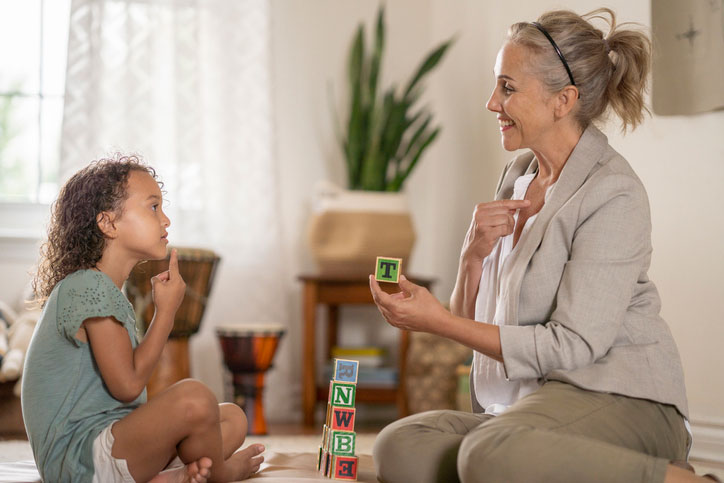
Home health SLPs provide speech-language therapy services in patients’ homes, assisted living facilities, and residential care settings. This career path offers exceptional flexibility, competitive compensation, and the opportunity to deliver personalized care in environments where patients feel most comfortable and motivated to progress.
- Emerson College - Master's in Speech-Language Pathology online - Prepare to become an SLP in as few as 20 months. No GRE required. Scholarships available.
- Grand Canyon University - Online Master of Science in Speech-Language Pathology. - This STEM program focuses on training aspiring speech-language pathologists to offer compassionate, effective services to individuals with communication disorders
- Arizona State University - Online - Online Bachelor of Science in Speech and Hearing Science - Designed to prepare graduates to work in behavioral health settings or transition to graduate programs in speech-language pathology and audiology.
- NYU Steinhardt - NYU Steinhardt's Master of Science in Communicative Sciences and Disorders online - ASHA-accredited. Bachelor's degree required. Graduate prepared to pursue licensure.
- Pepperdine University - Embark on a transformative professional and personal journey in the online Master of Science in Speech-Language Pathology program from Pepperdine University. Our program brings together rigorous academics, research-driven faculty teaching, and robust clinical experiences, all wrapped within our Christian mission to serve our communities and improve the lives of others.
The demand for speech-language pathology services delivered directly in patients’ homes has grown substantially in recent years. This expansion stems from the aging Baby Boomer population, rising numbers of children diagnosed with developmental disorders, and increased recognition of the benefits of home-based rehabilitation.
The COVID-19 pandemic further accelerated this trend, as families sought therapeutic services outside of busy clinics and public spaces.
Home health speech therapy represents a distinctive professional pathway that allows clinicians to meet patients where they live, work, and communicate most naturally. This setting provides unique opportunities to address functional communication needs within the context of daily routines and meaningful activities.
For Speech-Language Pathologists seeking autonomy, flexibility, and the chance to build strong therapeutic relationships, home health practice offers a compelling career direction.
This guide examines the professional landscape of home health speech-language pathology, including daily responsibilities, compensation structures, career advantages, practical challenges, and essential competencies for success in this specialized practice area.
What Is Home Health Speech Therapy?
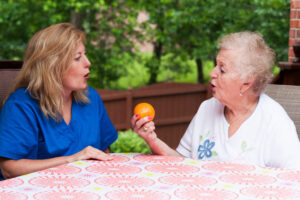 Home health speech-language pathology encompasses the delivery of therapeutic services in residential settings, including private homes, assisted living communities, nursing facilities, and memory care units. This service delivery model positions Speech-Language Pathologists as integral members of home healthcare teams, similar to colleagues in other healthcare settings, providing interventions for individuals with communication, cognitive, and swallowing disorders.
According to the American Speech-Language-Hearing Association (ASHA), the typical home health patient population skews older, with approximately 70% of clients aged 70 years or above. [Note: Verify this statistic reflects current ASHA data]
The majority of these individuals are recovering from cerebrovascular accidents (stroke), which account for roughly 63% of home health referrals. [Note: Verify this percentage with the latest ASHA home health survey data.] Additional common diagnoses include neurological disorders such as Parkinson’s Disease, Multiple Sclerosis, Alzheimer’s Disease, epilepsy, and Cerebral Palsy, as well as respiratory conditions and traumatic injuries.
The clinical focus in home health settings differs somewhat from other practice environments. ASHA data indicate that Dysphagia (swallowing disorders) represents the primary treatment area, affecting 54% of the caseload. [Note: Verify with current ASHA home health practice data]
This is followed by expressive language difficulties at 37%, motor speech disorders at 29%, and receptive language conditions at 26%. This distribution reflects the medical complexity and rehabilitation needs common among home health populations.
Home health speech therapy services operate under physician orders and are subject to coverage limitations established by Medicare, Medicaid, and private insurance carriers. Medicare Part A currently covers 100% of eligible home healthcare services for beneficiaries who meet medical necessity criteria. [Note: Verify this reflects 2025 Medicare Part A coverage guidelines]
Some patients opt to privately fund services that fall outside insurance parameters. The typical service period lasts approximately one month, with interventions concentrated on functional skill restoration aimed at supporting independence in daily activities.
Practitioners in this setting function with considerable autonomy while maintaining collaborative relationships with interdisciplinary team members. Regular coordination occurs with registered dieticians who manage nutritional modifications, medical social workers who arrange durable medical equipment, physical therapists, occupational therapists, and home health nurses.
Communication among team members typically occurs through electronic health record systems and virtual meetings, with detailed clinical documentation maintained through specialized charting software.
Benefits of Working as a Home Health SLP
 The home health practice setting provides several distinctive professional advantages that appeal to clinicians at various career stages.
Schedule Flexibility and Autonomy
Home health SLPs maintain substantial control over their daily schedules, with the ability to arrange appointments around personal commitments and preferences. While productivity requirements typically apply, clinicians generally determine their own appointment sequences and timing. This scheduling flexibility proves particularly valuable for professionals managing family responsibilities, pursuing additional education, or seeking better work-life integration.
Professional Independence
The nature of home health practice positions SLPs as independent practitioners who manage their own caseloads with minimal direct supervision. Clinical decision-making rests primarily with the treating therapist, who develops treatment plans tailored to individual patient needs and home environments. Though collaboration with care team members occurs regularly, much of this interaction happens asynchronously through electronic communication, allowing for focused patient care time.
Patient-Centered Care Delivery
Providing therapy in patients’ homes enables clinicians to address functional communication and swallowing needs within authentic contexts. Patients often demonstrate higher motivation and engagement when working on skills directly applicable to their daily routines in familiar surroundings. This environmental authenticity facilitates more accurate assessment of functional abilities and allows for treatment plans that incorporate meaningful personal items, activities, and communication partners.
Competitive Compensation Structure
Salary data from ASHA consistently place home health speech-language pathology among the highest-compensated practice settings within the profession. The Bureau of Labor Statistics corroborates this finding, with residential care facilities reporting median salaries exceeding $95,000 in recent years. This compensation often reflects the specialized skills required for autonomous practice, the medical complexity of the patient population, and the travel demands inherent in the role.
Enhanced Therapeutic Outcomes
Many home health clinicians report that patients achieve superior outcomes when therapy occurs in their natural environments. The ability to practice skills in the actual settings where they’ll be applied, using familiar objects and routines, often results in better skill generalization and retention. Family members and caregivers can more easily participate in and reinforce therapeutic strategies when they witness interventions in their own homes.
Challenges of Home Health SLP Work
 While home health practice offers numerous benefits, clinicians should consider several practical challenges associated with this service delivery model.
Travel time represents one of the most significant considerations for home health SLPs. Depending on geographic territory and patient distribution, clinicians may spend considerable portions of their workday driving between appointments. Urban territories generally allow for more concentrated scheduling with reduced travel time, while suburban and rural areas may necessitate longer drives between patients. This travel time affects both daily productivity and work-life balance, though some clinicians appreciate the opportunity to decompress and prepare mentally between patients.
Schedule unpredictability can present challenges for professionals who prefer consistent routines. Patient cancellations, hospitalizations, and last-minute schedule changes occur with some frequency in home health settings. Weather conditions may necessitate appointment rescheduling, and the patient’s medical status can fluctuate unexpectedly. Successful home health SLPs typically possess strong adaptability and contingency planning skills.
The autonomous nature of home health practice, while appealing to many clinicians, may not suit professionals who prefer regular collegial interaction or direct mentorship. New graduates or clinicians transitioning from other settings may find the independent practice model challenging without readily available clinical support. Some agencies address this through strong clinical mentorship programs and regular case conferences, but the day-to-day practice remains largely independent.
For clinicians considering this career path, many agencies offer per diem (PRN) positions that allow professionals to experience home health practice on a limited basis before committing to full-time roles. This approach provides valuable insight into whether the setting aligns with individual preferences and practice style.
Home Health SLP Salary and Compensation
Compensation for practitioners in home health settings consistently ranks among the highest within the profession across multiple practice settings. This premium reflects several factors, including the specialized skills required for autonomous practice, the medical complexity of typical patients, travel demands, and the critical nature of services provided.
The American Speech-Language-Hearing Association identifies home health and residential care settings as top-tier compensation environments for Speech-Language Pathologists. The Bureau of Labor Statistics provides additional context through occupational employment data for healthcare practitioners working specifically in residential care facilities.
Important Note: The salary data below reflects BLS statistics for Speech-Language Pathologists working in “Residential Intellectual and Developmental Disability, Mental Health, and Substance Abuse Facilities” (NAICS 623), which includes many home health and residential care positions. [Note: Verify these figures represent the most current 2024 BLS Occupational Employment Statistics]
| Percentile | Annual Salary | Hourly Rate |
|---|---|---|
| 10th Percentile | $62,450 | $30.02 |
| 25th Percentile | $75,830 | $36.46 |
| 50th Percentile (Median) | $95,310 | $45.82 |
| 75th Percentile | $115,680 | $55.62 |
| 90th Percentile | $131,650 | $63.29 |
Compensation structures vary by employment model. Home health agencies typically offer either hourly rates or per-visit payment models. Per-visit compensation can be lucrative for efficient clinicians who can manage higher patient volumes with strategic scheduling. Some agencies provide mileage reimbursement or vehicle allowances to offset travel costs. Benefits packages vary considerably across employers, with some agencies offering comprehensive health insurance, retirement contributions, and continuing education funding, while others provide higher base compensation with fewer benefits.
A Day in the Life of a Home Health SLP
The daily experience of clinicians in home health settings differs substantially from clinic-based or institutional practice, characterized by mobility, varied environments, and integrated administrative responsibilities.
Mobile Office Operations
Practitioners typically use their personal vehicles as mobile workspaces, equipped with tablets or laptops for real-time documentation. Most agencies utilize electronic health record systems accessible through mobile devices, allowing clinicians to complete progress notes, update treatment plans, and process insurance documentation between patient visits.
This mobile setup eliminates the need for daily office attendance, though some agencies require periodic in-person meetings for case conferences and continuing education.
Administrative tasks integrate throughout the workday rather than clustering at day’s end. Clinicians typically review patient files and physician orders before each visit, document immediately after sessions while clinical observations remain fresh, and communicate with care team members electronically as needs arise.
Efficient time management and strong organizational skills prove essential for balancing clinical and administrative responsibilities.
Territory Coverage and Scheduling
Geographic assignment significantly influences daily experience. Urban territories generally allow clinicians to schedule 6 to 8 patient visits daily due to reduced travel distances.
Suburban and rural assignments may accommodate 4 to 6 visits with longer drive times between locations. Weather conditions, traffic patterns, and seasonal factors affect daily productivity and scheduling efficiency.
Caseload composition varies based on agency referral patterns and community demographics. A typical day might include evaluating a patient recently discharged from acute rehabilitation, providing Dysphagia therapy for an individual recovering from a stroke, conducting cognitive-communication intervention for a person with dementia, and training family members in communication strategies.
This diversity maintains clinical interest and requires broad competency across disorder types and age groups.
Clinical Service Delivery
Home health speech therapy interventions focus intensively on functional skill restoration within authentic contexts. Treatment activities target daily communication needs, safe eating and swallowing, memory and problem-solving skills required for independence, and caregiver education.
Clinicians adapt evidence-based interventions to incorporate household items, personal photographs, familiar activities, and relevant communication scenarios.
A representative patient interaction might involve:
- Conducting oral motor and pharyngeal swallowing exercises
- Trialing various food and liquid consistencies to establish safe diet recommendations
- Implementing compensatory strategies for verbal expression difficulties
- Teaching family members proper cueing techniques and communication supports
- Training patients in assistive technology use for augmentative communication
- Facilitating structured cognitive tasks using personally meaningful materials
The home environment provides natural opportunities for functional carryover that clinic settings can’t replicate. Patients practice answering their own telephones, ordering from actual restaurants, organizing their personal medications, and communicating with familiar partners in typical contexts.
Essential Skills for Home Health SLPs
Successful home health practice requires both clinical expertise and practical competencies specific to autonomous, community-based service delivery.
Clinical Versatility
Therapists in this setting must maintain broad clinical knowledge across the lifespan and multiple disorder types. The varied caseload requires competency in Dysphagia management, motor speech disorders, Aphasia, cognitive-communication disorders, voice disorders, and augmentative-alternative communication systems.
Medical knowledge regarding common diagnoses, medications, and prognosis factors proves essential for appropriate treatment planning and interdisciplinary communication.
Therapeutic Creativity and Resource Utilization
The home environment offers abundant opportunities for functional therapy activities using everyday household items. Effective clinicians develop skills in creative treatment planning that incorporate personally meaningful materials and activities. Common household items become therapeutic tools when thoughtfully applied to treatment objectives.
For expressive language and articulation work, clinicians might engage patients in:
- Naming objects visible throughout rooms or items in pantries and closets
- Describing people and events depicted in personal photographs
- Reading newspapers or favorite books aloud
- Creating functional lists, like grocery needs or daily schedules
Receptive language activities can include:
- Following multi-step directions for meal preparation or appliance operation
- Executing sequential instructions related to grooming or household tasks
- Comprehending written information from bills, medication labels, or appointment cards
Problem-solving and executive function tasks might involve:
- Determining appropriate responses to emergency situations
- Planning sequences of activities like preparing meals or getting dressed
- Making decisions about clothing selection based on weather or social context
- Operating household technology like telephones, remotes, or medical alert systems
Memory and cognitive work often incorporate:
- Recalling family members’ names and relationships using photo albums
- Remembering items needed from specific rooms or locations in the home
- Organizing and categorizing familiar household items
- Creating and following daily schedules or routine checklists
Professional Independence and Clinical Reasoning
Clinicians in home health make autonomous clinical decisions without immediate access to supervisory consultation. This requires strong clinical reasoning skills, confidence in professional judgment, and a clear understanding of practice guidelines and standards.
Practitioners must recognize when situations exceed their expertise and require physician consultation or referral to other specialists.
Cultural Competence and Interpersonal Flexibility
Entering patients’ homes requires cultural sensitivity and interpersonal adaptability. Clinicians encounter diverse living situations, family dynamics, cultural practices, and environmental conditions.
Professional boundaries must be maintained while building therapeutic rapport in intimate home settings. Respect for individual differences, values, and circumstances forms the foundation of effective home health practice.
Frequently Asked Questions
What qualifications do I need to become a home health SLP?
Home health SLPs must hold a master’s degree in speech-language pathology from an accredited program, possess current state licensure, and maintain ASHA certification (CCC-SLP). Most agencies prefer clinicians with at least one year of medical experience, though some offer mentorship programs for clinical fellows. Strong documentation skills and reliable transportation are essential requirements.
How much do home health SLPs make compared to other settings?
Home health and residential care settings typically offer among the highest compensation in speech-language pathology. BLS data shows median salaries exceeding $95,000 annually for residential care SLPs, compared to lower median salaries in educational and outpatient settings. Per-visit payment models can be particularly lucrative for efficient clinicians who manage high caseloads.
What’s the typical caseload for a home health SLP?
Caseload size varies based on geographic territory and agency productivity expectations. Urban clinicians typically see 6-8 patients daily, while those covering suburban or rural areas may schedule 4-6 patients due to longer travel distances. Most agencies measure productivity through visit counts or billable units rather than total patients managed, with expectations ranging from 25-35 visits weekly for full-time positions.
Do I need my own transportation for home health work?
Yes, reliable personal transportation is a fundamental requirement for home health practice. Most clinicians use their own vehicles and track mileage for reimbursement, which is typically provided by agencies. Some larger organizations provide company vehicles, but this is less common. Valid driver’s license, current auto insurance, and a safe, reliable vehicle are standard employment prerequisites.
Can new graduates work in home health?
Some home health agencies accept clinical fellows with strong mentorship programs and supervision structures in place during their clinical fellowship year. However, many agencies prefer clinicians with prior medical experience due to the autonomous nature of practice and medically complex patient population.
New graduates interested in home health often benefit from first gaining experience in acute care or outpatient rehabilitation settings before transitioning to independent home health practice.
What are the biggest challenges in home health SLP work?
The most commonly cited challenges include significant drive time between patients, unpredictable scheduling due to patient cancellations or medical changes, professional isolation from direct colleagues, and the need for strong self-management skills.
Weather conditions can affect scheduling, and working in varied home environments requires adaptability. Successful practitioners in this setting typically possess flexibility, independence, and strong organizational abilities.
How do I document patient progress in home health?
Home health agencies utilize electronic health record systems accessible through tablets or laptops, allowing clinicians to complete documentation in real-time or immediately after visits. Documentation requirements include initial evaluations, progress notes for each visit, care plan updates, coordination notes with other team members, and discharge summaries. Most systems are mobile-optimized for field use, and agencies provide training on their specific platforms and documentation standards.
Key Takeaways
- Home health speech-language pathology offers exceptional schedule flexibility and professional autonomy, allowing clinicians to balance personal commitments while maintaining full-time practice.
- Compensation in home health settings ranks among the highest in the profession, with median salaries exceeding $95,000 annually for residential care positions.
- The patient population consists primarily of older adults recovering from stroke and managing neurological conditions, with dysphagia representing the most common treatment focus.
- Successful home health practice requires clinical versatility, strong self-management skills, cultural competence, and comfort with autonomous decision-making.
- Challenges include significant travel time, schedule unpredictability, and professional isolation, making this setting best suited for adaptable, independent clinicians.
- The home environment enables uniquely functional, patient-centered interventions using familiar items and personally meaningful activities, often resulting in superior therapeutic outcomes.
- Emerson College - Master's in Speech-Language Pathology online - Prepare to become an SLP in as few as 20 months. No GRE required. Scholarships available.
- Grand Canyon University - Online Master of Science in Speech-Language Pathology. - This STEM program focuses on training aspiring speech-language pathologists to offer compassionate, effective services to individuals with communication disorders
- Arizona State University - Online - Online Bachelor of Science in Speech and Hearing Science - Designed to prepare graduates to work in behavioral health settings or transition to graduate programs in speech-language pathology and audiology.
- NYU Steinhardt - NYU Steinhardt's Master of Science in Communicative Sciences and Disorders online - ASHA-accredited. Bachelor's degree required. Graduate prepared to pursue licensure.
- Pepperdine University - Embark on a transformative professional and personal journey in the online Master of Science in Speech-Language Pathology program from Pepperdine University. Our program brings together rigorous academics, research-driven faculty teaching, and robust clinical experiences, all wrapped within our Christian mission to serve our communities and improve the lives of others.
Start Your Home Health SLP Career
Interested in pursuing a career as a home health speech-language pathologist? Begin by exploring accredited graduate programs that will prepare you for this rewarding specialty area.
2024 US Bureau of Labor Statistics salary and job market figures for Speech-Language Pathologists reflect state and national data, not school-specific information. Conditions in your area may vary. Data accessed November 2025.