
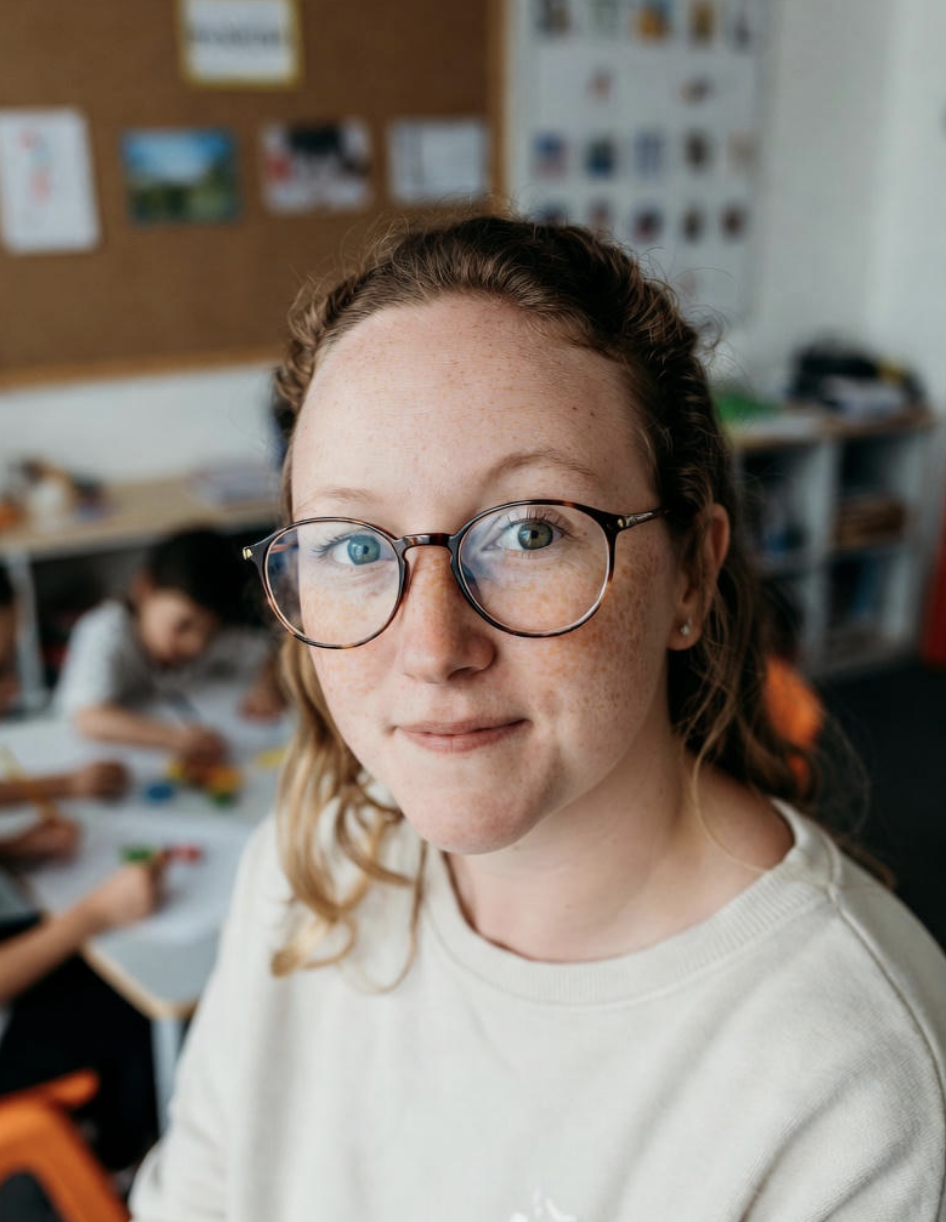
The three most important speech-language pathologist qualities are compassion, positive energy, and creativity. While your master’s degree provides clinical knowledge and technical skills, these interpersonal qualities develop through experience and directly impact your success with diverse patient populations across all settings.
- Emerson College - Master's in Speech-Language Pathology online - Prepare to become an SLP in as few as 20 months. No GRE required. Scholarships available.
- Arizona State University - Online - Online Bachelor of Science in Speech and Hearing Science - Designed to prepare graduates to work in behavioral health settings or transition to graduate programs in speech-language pathology and audiology.
- Pepperdine University - Embark on a transformative professional and personal journey in the online Master of Science in Speech-Language Pathology program from Pepperdine University. Our program brings together rigorous academics, research-driven faculty teaching, and robust clinical experiences, all wrapped within our Christian mission to serve our communities and improve the lives of others.
- Aurora University - BS Communication Sciences and Disorders program - Discover how to transform lives by identifying and treating communication disorders for people of all ages. You’ll gain hands-on experience while fulfilling requirements toward graduate education.
- Arkansas State University - Dyslexia Certificate - Build upon your teaching expertise by adding a specialization in dyslexia with their Dyslexia Certificate online program.
- Eastern Oregon University - Master of Science in Education with a specialization in Dyslexia - Provides an advanced study of best practices and applications for PK–12 contexts with a specialization in Dyslexia.
- The University of West Alabama - Master of Education in Dyslexia Therapy - Enter an emerging field to support students with dyslexia and related reading challenges by earning your MEd in Dyslexia Therapy degree.
You’ve earned your master’s degree from a CAA-accredited program, completed your clinical fellowship, passed the Praxis exam, and hold your CCC-SLP certification and state license. You’re officially a speech-language pathologist.
However, what many new clinicians discover is that technical knowledge is only half the equation. The speech-language pathologist’s qualities that separate exceptional clinicians from average ones can’t be taught in a textbook or practiced in a simulated clinic. They’re the soft skills you develop through real patient interactions, challenging cases, and years of professional growth.
These three qualities form the foundation of effective SLP practice, influencing everything from patient outcomes to your own job satisfaction and career longevity.
Why Soft Skills Matter for SLPs
All speech-language pathologists follow a standardized path into professional practice: a master’s degree from a CAA-accredited program, followed by a clinical fellowship and the Praxis exam before earning state licensure.
This standardized pathway ensures all SLPs share a similar foundation of knowledge and skills for assessing and treating disorders related to speech, social communication, language, cognitive-communication, and swallowing across all age groups.
Your CCC-SLP certification and state license serve as credentials authorizing you to practice. They validate your clinical competence. But they don’t speak to the soft skills that transform a technically proficient clinician into an exceptional one.
According to ASHA’s professional competency standards, effective clinical practice requires both technical expertise and interpersonal effectiveness. Research consistently shows that patient outcomes improve when clinicians demonstrate strong rapport-building skills, cultural sensitivity, and adaptability in their therapeutic approaches.
These soft skills develop on a predictable timeline throughout your SLP career. During graduate school, you observe mentors and practice basic interpersonal strategies. Your clinical fellowship tests these skills under real-world pressure. The first three years of independent practice refine your approach through experience with diverse populations. By years four and five, these qualities become second nature, integrated seamlessly into your clinical style.
Think of it like learning to drive. Your graduate education teaches you the rules of the road and basic vehicle operation. Your clinical fellowship puts you behind the wheel with supervision. But becoming a confident, skilled driver who can handle any road condition takes years of experience.
Three Essential Speech-Language Pathologist Qualities Beyond Your Degree

Anyone who’s spent time in the field will tell you that certain qualities consistently predict clinical success. You could compile a long list, but three stand out as foundational. Every other professional skill builds on these core attributes.
Compassion: The Foundation of Effective Practice
Compassion ranks as the single most important quality among successful speech-language pathologists. It’s not surprising when you consider what compassion enables: trust. When patients trust you, they lower their emotional defenses and commit fully to the therapeutic process. That’s when real progress happens.
Compassion in SLP practice means recognizing and validating each patient’s unique challenges, fears, and frustrations. It’s about setting aside your own biases and assumptions to meet patients where they are. A compassionate SLP asks questions, acknowledges feelings, and creates a safe space for vulnerability.
Here’s what compassion looks like in different clinical contexts:
- With pediatric clients: A 4-year-old frustrated by articulation difficulties needs you to celebrate small victories while normalizing their struggles. “I know ‘r’ sounds are tricky. Let’s figure this out together.”
- With adult stroke survivors: A 60-year-old dealing with aphasia needs you to recognize the profound loss they’re experiencing. “I can see how hard you’re working. Let’s take our time.”
- With parents and caregivers: A mother worried about her child’s language delay needs empathy, not judgment. “Many parents share your concerns. Let’s talk about what we can do.”
The challenge? Maintaining compassion at the end of a long day with your seventh patient, who showed up 20 minutes late. Or with the teenager who refuses to engage. Or with the family member who questions every recommendation. These moments test your compassion reserves.
Compassion fatigue is real in healthcare professions. Successful SLPs develop strategies to prevent it. They set boundaries. They practice self-care. They remind themselves of why they entered this field. They seek supervision or mentorship when cases feel overwhelming.
Developing Compassion:
- Practice active listening without planning your response
- Keep a journal, noting moments when you struggled with patience
- Seek diverse clinical experiences to broaden your perspective
- Study cultural competence and how communication differences aren’t deficits
- Talk with experienced SLPs about maintaining empathy over time
Does this sound like you? If you naturally feel concerned when others struggle and find fulfillment in helping people overcome challenges, compassion likely comes naturally to you.
Positive Energy: Creating Therapeutic Momentum

Positive energy doesn’t mean giddy excitement (though that works wonderfully with preschoolers). It means approaching each therapy session prepared, motivated, and genuinely invested in helping patients achieve their goals. Your enthusiasm becomes contagious, lifting patients through difficult moments and sustaining effort over long treatment timelines.
The way you express positive energy differs dramatically across age groups and clinical settings. With young children, it might involve animated facial expressions, varied vocal intonation, high-fives, and celebration of every small success. With adults recovering from strokes or traumatic brain injuries, it’s conveyed through steady encouragement, recognition of effort, and optimism grounded in realistic expectations.
Consider these examples of positive energy in action:
- Pediatric session opening: “I’ve been thinking about you all week! I can’t wait to see how you do with the new game we’re trying today.”
- Adult therapy encouragement: “You’re putting in real effort here. That’s exactly what it takes. Let’s build on what you accomplished last session.”
- Acknowledging setbacks: “This is challenging work. The fact that you keep showing up and trying tells me everything about your commitment.”
Many SLP interventions require sustained patient effort over months or years before significant progress appears. Patients often feel frustrated. They question whether therapy is working. They consider giving up. Your positive energy during these low points can make the difference between a patient who persists and one who quits.
When working with children, remember that behavior-based praise (“You worked so hard on that sound!”) motivates better than personal praise (“You’re such a good girl!”). Behavior-based praise reinforces effort and strategy use, teaching children that persistence matters more than innate ability.
Children with autism spectrum disorder or sensory processing differences may respond negatively to loud enthusiasm or intense facial expressions. Adjust your energy level to match each child’s needs. Some children thrive with animated presentations. Others need calm, measured encouragement.
Developing Positive Energy:
- Prepare thoroughly so you feel confident entering each session
- Start sessions by genuinely connecting before diving into tasks
- Keep a “wins” journal tracking patient progress to remind yourself of the impact
- Develop strategies for managing your own stress and fatigue
- Learn to read patient cues and adjust your energy accordingly
Does this sound like you? If you generally approach challenges with optimism and naturally encourage others when they’re struggling, you’ll likely develop strong therapeutic energy.
Creativity: Making Therapy Engaging and Effective
 Creativity in speech-language pathology means constantly adapting techniques, developing new strategies when standard approaches aren’t working, and keeping sessions engaging session after session. It’s about recognizing when a patient is losing interest and smoothly pivoting to a different activity. It’s inventing games that target specific goals while feeling like play.
Graduate school teaches you evidence-based treatment protocols. Your clinical fellowship reinforces standardized approaches. But real-world practice demands flexibility. The articulation program that works beautifully for one child completely fails with another. The aphasia treatment showing great results with your morning patient goes nowhere with your afternoon patient. This is when creativity matters.
Creativity manifests differently across clinical settings:
- Pediatric outpatient: A 6-year-old obsessed with dinosaurs isn’t engaging with flashcards. You quickly redesign the activity into a “dinosaur rescue mission” where each correct production saves a dinosaur from a volcano. Suddenly, the child wants to practice.
- School-based practice: Your fluency intervention with a middle schooler stalls because the student feels self-conscious. You introduce a “smooth speech app” that gamifies the techniques, making practice feel less clinical.
- Medical setting: An adult with dysphagia is discouraged by repetitive swallowing exercises. You incorporate their love of cooking, using recipe discussion to make the work more meaningful while targeting the same goals.
Monotony kills therapeutic momentum. Patients disengage when sessions feel repetitive. They make less progress. They may even avoid appointments. Your creativity prevents this pattern.
The challenge is that creativity requires mental energy. After seeing six patients, planning for tomorrow’s sessions, and completing documentation, you’re exhausted. Finding innovative approaches feels impossible. This is why building a personal library of activities, staying connected with other SLPs who share ideas, and giving yourself permission to reuse successful strategies matters so much.
Developing Creativity:
- Follow SLP social media accounts and blogs for fresh ideas
- Join professional groups focused on specific populations or settings
- Attend workshops demonstrating innovative techniques
- Pay attention to patients interests and hobbies to personalize activities
- Keep a “therapy idea bank” organized by goal type for quick reference
- Give yourself permission to fail when trying new approaches
Does this sound like you? If you enjoy problem-solving, can think on your feet when plans change, and find satisfaction in adapting materials for different purposes, you have strong creative potential for clinical practice.
How to Develop These Qualities Over Your Career
The good news about these essential speech language pathologist qualities is that they’re not fixed traits you either have or don’t have. They develop and strengthen with intentional practice and experience. Different career stages offer specific opportunities for growth.
| Career Stage | Compassion Development | Positive Energy Development | Creativity Development |
|---|---|---|---|
| Graduate School (Years 1-2) | Observe mentor empathy skills, practice active listening with clinic patients, and learn about cultural and linguistic diversity | Watch how supervisors create positive environments, notice how energy affects patient engagement, and manage academic stress | Collect therapy materials and ideas, learn foundational techniques, and observe different clinical approaches |
| Clinical Fellowship (1 year) | Navigate first challenging patient relationships, learn to separate personal reactions from professional responses, and develop case management skills | Maintain enthusiasm across the full caseload, develop time management to prevent burnout, and learn to recover between difficult sessions | Adapt learned techniques to real patients, begin personalizing interventions, and develop quick problem-solving skills |
| Years 1-3 Post-CF | Deepen cultural competence, handle diverse populations, learn to maintain boundaries while staying empathetic, and address compassion fatigue | Establish sustainable work practices, develop personal resilience strategies, and find balance between professional and personal life | Build personal therapy repertoire, innovate beyond standard protocols, and develop signature approaches that work for your style |
| Years 4-5+ | Mentor newer clinicians, share strategies for maintaining empathy, and contribute to the professional community | Model sustained enthusiasm for long-term professionals, develop leadership in creating a positive workplace culture | Create original materials and approaches, present at conferences, and publish clinical innovations |
This developmental timeline isn’t rigid. Some clinicians develop certain qualities faster than others. Your personality, clinical setting, patient population, and available mentorship all influence your growth rate.
The key is intentional practice. Don’t assume these qualities will simply emerge through osmosis. Seek feedback from supervisors and colleagues. Reflect regularly on your clinical interactions. Identify specific situations where you struggle and develop targeted strategies for improvement.
Continuing education focused on interpersonal skills, not just clinical techniques, accelerates development. Workshops on motivational interviewing, cultural competence, therapeutic presence, and clinician self-care directly target these essential qualities.
Mentorship matters enormously. Find experienced SLPs whose clinical style you admire. Ask them how they developed their interpersonal effectiveness. Most will be happy to share their journey, including mistakes they made along the way.
Is This Career Right for You? A Self-Assessment
Reading about essential speech-language pathologist qualities naturally raises a question: Do I have what it takes? While no one possesses all these qualities fully developed at career start, certain tendencies predict stronger natural alignment with SLP work.
This self-assessment helps you gauge your starting point. Remember that “growing edge” doesn’t mean you can’t succeed. It just means you’ll need to work more intentionally on developing that particular quality.
| Quality | Strong Natural Match | Growing Edge | Potential Challenge |
|---|---|---|---|
| Compassion | You’re naturally empathetic, patient with others’ struggles, comfortable with emotional conversations, and interested in understanding different perspectives | You care about helping, but sometimes feel frustrated when progress is slow, and occasionally struggle to understand viewpoints very different from yours | You’re often impatient with others, prefer facts over feelings, find emotional displays uncomfortable, and struggle to see things from others’ perspectives |
| Positive Energy | Generally optimistic, naturally encouraging, find joy in small victories, comfortable expressing enthusiasm, resilient when facing setbacks | Can be positive but depends on context, need to work on maintaining energy across long days, sometimes let stress show | Tend toward pessimism, find it draining to be “on” for others, prefer working independently, struggle to hide frustration or disappointment |
| Creativity | Love problem-solving, enjoy thinking outside the box, comfortable with improvisation, find satisfaction in developing new approaches, and embrace trial and error | Can adapt when necessary but prefers established methods, willing to learn new techniques, occasionally feels stuck in routine | Strongly prefer following established protocols, feel uncomfortable with ambiguity, need detailed instructions, and resist changing approaches even when not working |
If you found yourself mostly in the “Strong Natural Match” column, speech-language pathology likely aligns well with your natural tendencies. You’ll still need to develop these qualities through experience, but you’re starting from a strong foundation.
If you’re mostly in the “Growing Edge” column, don’t let that discourage you. Many successful SLPs started there. The key is acknowledging which areas need development and committing to that growth. Seek mentors who excel in your weaker areas. Take continuing education targeting those skills. Give yourself permission to make mistakes while learning.
If you found yourself primarily in the “Potential Challenge” column, take time for honest reflection. This doesn’t automatically mean SLP isn’t for you, but it suggests you’d face steeper learning curves in essential areas. Consider whether this career matches your strengths and interests, or whether another healthcare profession might better match your natural strengths.
Other qualities that support SLP success include strong organizational skills, ability to work independently, comfort with technology, resilience in the face of slow progress, cultural sensitivity, and genuine interest in human communication. No one has all these qualities perfectly developed, but awareness of your strengths and weaknesses helps you chart your professional development path.
Frequently Asked Questions
Can I develop these skills if I’m naturally introverted?
Absolutely. Introversion and compassion aren’t opposites. Many introverted SLPs excel because they’re naturally good listeners and observers. The key is managing your energy. Introverts often need quiet time between sessions to recharge. Build that into your schedule. Positive energy in therapy doesn’t require you to be extroverted. It means being fully present and invested in your patients’ progress. That comes in many communication styles.
How long does it take to develop a strong bedside manner as an SLP?
Most SLPs report feeling competent with interpersonal skills after 3-5 years of full-time practice. Your clinical fellowship year is when you learn to juggle clinical skills with relationship building under real-world pressure. The first two years post-CF are about refining your approach through experience with diverse populations. By years three through five, these qualities become integrated into your clinical identity. That said, excellent clinicians never stop developing these skills throughout their careers.
What if I struggle with creativity in therapy sessions?
Start by building a strong resource library. Follow SLP blogs, join professional groups on social media, and save activities that resonate with you. You don’t need to reinvent the wheel for every session. Creativity in SLP practice often means adapting existing materials to match patient interests. If a child loves superheroes, take any standard articulation activity and add a superhero theme. That’s creativity. Also, collaborate with colleagues. Many successful SLPs freely share ideas and materials. You’ll develop your own creative approaches as you gain experience and confidence.
Do all successful SLPs have these three qualities?
Most successful SLPs demonstrate strength in these three areas, but they express these qualities differently based on personality and setting. A research-focused SLP in a hospital might show compassion through meticulous assessment and evidence-based recommendations. A school-based SLP might demonstrate creativity through collaboration with teachers. The specific expression varies, but the underlying qualities remain consistent across successful practitioners. You don’t need to be perfect in all three areas, but developing competence in each significantly impacts your effectiveness and job satisfaction.
How do I know if I have what it takes to be an SLP?
Ask yourself these questions: Do you genuinely enjoy helping others work through challenges? Can you stay patient when progress is slow? Are you comfortable with the emotional aspects of healthcare? Do you find communication fascinating? Can you handle the educational commitment (master’s degree, clinical fellowship, ongoing continuing education)? If you answer yes to most of these, SLP work likely suits you. Consider volunteering or shadowing practicing SLPs to experience the work firsthand. Many graduate programs offer observation opportunities. Direct exposure provides the clearest picture of career fit.
Can I be successful as an SLP without perfect people skills?
Yes. Perfect people skills don’t exist. Every clinician has strengths and growing edges in interpersonal effectiveness. The important factor is the willingness to develop these skills over time. Some SLPs naturally excel with pediatric populations but need to work on adult communication styles. Others are brilliant with neurogenic communication disorders but find pediatric energy levels challenging. Successful SLPs identify their natural strengths, seek settings that align with those strengths, and commit to developing skills in weaker areas. Self-awareness and commitment to growth matter more than starting with perfect interpersonal abilities.
How important are soft skills compared to clinical knowledge?
Both are essential. You can’t be an effective SLP without strong clinical knowledge and evidence-based practice skills. But clinical knowledge alone doesn’t guarantee treatment success. Research consistently shows that therapeutic alliance (the relationship between clinician and patient) significantly impacts outcomes across all healthcare disciplines. Patients who trust their clinician, feel understood, and stay motivated make better progress than patients receiving technically perfect treatment from clinicians they don’t connect with. Your graduate program builds clinical knowledge. Your career develops the soft skills that make that knowledge effective. Think of it as a car: clinical knowledge is the engine, soft skills are the driver. You need both to reach your destination.
Key Takeaways
- The three essential speech-language pathologist qualities are compassion, positive energy, and creativity. These soft skills complement your clinical training and directly influence patient outcomes and your career satisfaction.
- Compassion creates the trust that allows patients to fully engage in therapy. It requires recognizing each person’s unique challenges while maintaining empathy during difficult interactions.
- Positive energy sustains patient motivation through long treatment timelines and plateaus. Expression varies between children and adults, but commitment to patient success remains constant.
- Creativity keeps therapy engaging and helps you adapt protocols to individual needs and interests. Adapting existing materials to match patient preferences counts as creativity.
- These qualities develop predictably over your career: observation during graduate school, real-world testing during clinical fellowship, refinement in years 1-3, and mastery by years 4-5 and beyond. Intentional practice and mentorship accelerate growth.
- Self-assessment helps identify your natural strengths and areas needing development. Most successful SLPs have growing edges; what matters is commitment to professional growth throughout your career.
- Emerson College - Master's in Speech-Language Pathology online - Prepare to become an SLP in as few as 20 months. No GRE required. Scholarships available.
- Arizona State University - Online - Online Bachelor of Science in Speech and Hearing Science - Designed to prepare graduates to work in behavioral health settings or transition to graduate programs in speech-language pathology and audiology.
- Pepperdine University - Embark on a transformative professional and personal journey in the online Master of Science in Speech-Language Pathology program from Pepperdine University. Our program brings together rigorous academics, research-driven faculty teaching, and robust clinical experiences, all wrapped within our Christian mission to serve our communities and improve the lives of others.
- Aurora University - BS Communication Sciences and Disorders program - Discover how to transform lives by identifying and treating communication disorders for people of all ages. You’ll gain hands-on experience while fulfilling requirements toward graduate education.
- Arkansas State University - Dyslexia Certificate - Build upon your teaching expertise by adding a specialization in dyslexia with their Dyslexia Certificate online program.
- Eastern Oregon University - Master of Science in Education with a specialization in Dyslexia - Provides an advanced study of best practices and applications for PK–12 contexts with a specialization in Dyslexia.
- The University of West Alabama - Master of Education in Dyslexia Therapy - Enter an emerging field to support students with dyslexia and related reading challenges by earning your MEd in Dyslexia Therapy degree.
Ready to Start Your SLP Journey?
Understanding the essential qualities of successful speech-language pathologists is an important first step. If you’re ready to develop both the clinical knowledge and interpersonal skills that define excellent SLP practice, explore CAA-accredited graduate programs that will prepare you for this rewarding career.