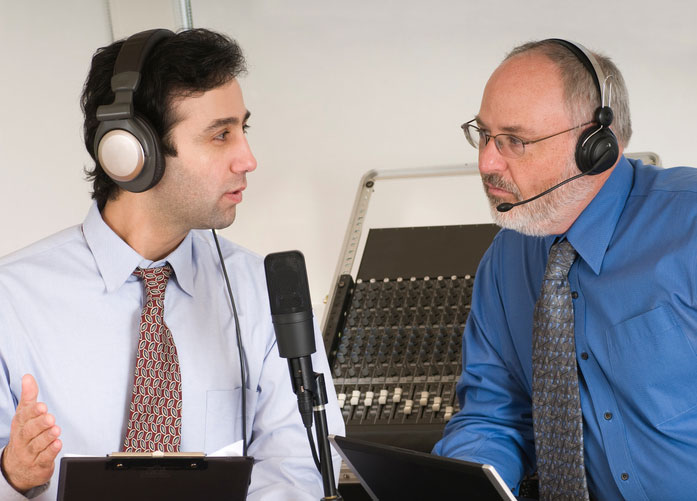
The best SLP podcasts for speech-language pathologists include Speech Therapy Private Practice Startup (business guidance), Conversations in Speech Pathology (expert interviews), ASHA Podcast Series (professional development), and specialized shows covering stuttering, dysphagia, pediatrics, and autism spectrum disorders. These podcasts provide flexible continuing education opportunities for busy clinicians.
- Emerson College - Master's in Speech-Language Pathology online - Prepare to become an SLP in as few as 20 months. No GRE required. Scholarships available.
- Arizona State University - Online - Online Bachelor of Science in Speech and Hearing Science - Designed to prepare graduates to work in behavioral health settings or transition to graduate programs in speech-language pathology and audiology.
- Pepperdine University - Embark on a transformative professional and personal journey in the online Master of Science in Speech-Language Pathology program from Pepperdine University. Our program brings together rigorous academics, research-driven faculty teaching, and robust clinical experiences, all wrapped within our Christian mission to serve our communities and improve the lives of others.
- Aurora University - BS Communication Sciences and Disorders program - Discover how to transform lives by identifying and treating communication disorders for people of all ages. You’ll gain hands-on experience while fulfilling requirements toward graduate education.
- Arkansas State University - Dyslexia Certificate - Build upon your teaching expertise by adding a specialization in dyslexia with their Dyslexia Certificate online program.
- Eastern Oregon University - Master of Science in Education with a specialization in Dyslexia - Provides an advanced study of best practices and applications for PK–12 contexts with a specialization in Dyslexia.
- The University of West Alabama - Master of Education in Dyslexia Therapy - Enter an emerging field to support students with dyslexia and related reading challenges by earning your MEd in Dyslexia Therapy degree.
Continuing education represents a fundamental requirement for speech-language pathologists throughout their careers. The dynamic nature of the field demands ongoing professional development, yet traditional continuing education methods often prove challenging for busy clinicians managing demanding caseloads, administrative responsibilities, and personal commitments.
Podcasts have emerged as an effective solution, offering flexible, accessible professional development opportunities. Speech-language pathologists can access expert insights, clinical guidance, and industry updates during commutes, exercise routines, or household tasks. The audio format enables practitioners to maximize learning opportunities without sacrificing time from clinical practice or personal life.
This comprehensive guide examines the top 10 podcasts specifically designed for speech-language pathologists, categorized by specialization and professional focus. Each recommendation includes verified information about hosts, content focus, and practical applications for clinical practice.
Why SLP Podcasts Matter for Professional Growth
The American Speech-Language-Hearing Association requires certified speech-language pathologists to complete continuing education requirements to maintain their Certificate of Clinical Competence. Podcasts provide an accessible, time-efficient method for staying current with clinical research, treatment approaches, and professional best practices.
Professional development through podcasts offers several distinct advantages. The format accommodates diverse learning styles, allowing practitioners to absorb information auditorily while engaging in other activities. Content remains accessible for review, enabling clinicians to revisit complex topics or reference specific information when needed. The variety of available podcasts allows speech-language pathologists to target specific areas of interest or clinical need.
Research indicates that audio learning can enhance retention and understanding when integrated into regular professional routines. Speech-language pathologists report that podcast-based learning helps them maintain awareness of emerging research, discover new treatment techniques, and connect with the broader professional community.
How We Selected These Podcasts
Our selection process employed specific criteria to identify the most valuable podcast resources for speech-language pathologists. Each recommended podcast meets the following standards:
Host Credentials and Expertise: All featured podcasts are hosted by or regularly feature certified speech-language pathologists, audiologists, or recognized experts in communication sciences and disorders. Host credentials include clinical experience, academic positions, or demonstrated expertise in specialized areas of practice.
Content Quality and Relevance: Selected podcasts provide evidence-based information, practical clinical guidance, or professional insights relevant to speech-language pathology practice. Content aligns with current professional standards and ASHA guidelines.
Publishing Consistency: Recommended podcasts maintain regular publishing schedules or have established archives of valuable content. While some podcasts may have concluded their production runs, their archived episodes continue to provide educational value.
Topic Diversity: Our selections represent various specialization areas, career stages, and professional interests within speech-language pathology, ensuring comprehensive coverage of the field.
Accessibility: All recommended podcasts are available through major podcast platforms, including Apple Podcasts, Spotify, and direct RSS feeds, ensuring easy access for all practitioners.
Quick Comparison: Our Top 10 Picks
| Podcast Title | Host | Best For | Primary Focus | Episode Format |
|---|---|---|---|---|
| Speech Therapy Private Practice Startup | Kyle Meades, MA, CCC-SLP | Private practice owners | Business operations, financial management | Solo educational |
| Conversations in Speech Pathology | Jeff Stephens, MA, CCC-SLP | All practice settings | Expert interviews, diverse topics | Interview-based |
| Stutter Talk | Peter Reitzes, Eric Jackson, Greg Snyder | Fluency specialists | Stuttering, lived experiences | Interview and discussion |
| The Working Therapist | Haden Boliek | Pediatric therapists, parents | Pediatric therapy, feeding | Educational |
| Speech and Language Kids | Carrie Clark, MA, CCC-SLP | Pediatric SLPs, parents | Pediatric treatment strategies | Educational and practical |
| Storm of the Brains | Carrie Clark, MA, CCC-SLP | All SLPs seeking clinical insights | Problem-solving, clinical questions | Collaborative discussion |
| ASHA Podcast Series | American Speech-Language-Hearing Association | All SLPs and audiologists | Professional development, research | Expert interviews |
| Down the Hatch | Ianessa Humbert, PhD, CCC-SLP; Alicia Vose, MA, CCC-SLP | Medical SLPs, dysphagia specialists | Swallowing disorders, research | Discussion and debate |
| Stuttering is Cool | Daniel Rossi | Fluency specialists, individuals who stutter | Stuttering experiences, advocacy | Community submissions |
| The Autism Show | Catherine Pascuas | SLPs working with autism | Autism spectrum disorders | Expert interviews |
Best Podcasts for Private Practice
Speech Therapy Private Practice Startup Podcast
Host: Kyle Meades, MA, CCC-SLP
Professional Background: Kyle Meades has practiced as a speech-language pathologist since 1993 and serves as a team member at Therapy Group of Tucson, PLLC in Arizona. His extensive experience in private practice provides practical, real-world insights for clinicians navigating the business aspects of independent practice.
Content Focus: This podcast addresses the operational and financial challenges specific to speech therapy private practice. Episode topics include tax planning and expenditure management, common business mistakes and prevention strategies, effective hiring practices and staff management, business growth strategies and scaling operations, marketing approaches for therapy practices, transitioning from employment to private practice, and cash flow fundamentals for healthcare businesses.
Why This Podcast Matters: Many graduate programs in speech-language pathology provide limited instruction in business management, leaving clinicians unprepared for the realities of private practice ownership. This podcast fills that educational gap with actionable guidance on financial management, legal compliance, and practice growth strategies.
Recommended Episodes: Episodes addressing cash flow basics, revenue and expense tracking, and burnout prevention offer particular value for both new and established practice owners. The encouragement and support-focused episodes provide important perspective on the emotional and psychological aspects of practice ownership.
Availability: Available on major podcast platforms, including Apple Podcasts and Spotify.
Best Podcasts for Clinical Skills Development
Conversations in Speech Pathology
Host: Jeff Stephens, MA, CCC-SLP
Professional Background: Jeff Stephens brings 18 years of speech-language pathology experience to his podcast. His career began working with adult populations before transitioning to pediatric specialization. Stephens currently maintains both full-time school-based practice working with children with disabilities and part-time private practice operations, providing him with diverse clinical perspectives.
Content Focus: This interview-based podcast features conversations with speech-language pathology professionals, researchers, and industry innovators. The format allows for in-depth exploration of specialized topics, emerging research, and practical clinical applications.
Notable Guests: Past episodes have featured distinguished professionals, including Dr. Brian Goldstein, ASHA Fellowship recipient recognized for contributions to bilingual language development research, and Heidi Hanks, developer of the Articulation Station application widely used in pediatric speech therapy.
Why This Podcast Matters: The interview format provides access to expert insights and specialized knowledge across the full spectrum of speech-language pathology practice. Episodes offer both theoretical foundations and practical applications, making complex topics accessible to practitioners at all experience levels.
Availability: Available on major podcast platform,s including Apple Podcasts and Spotify.
Speech and Language Kids
Host: Carrie Clark, MA, CCC-SLP
Professional Background: Carrie Clark is a certified speech-language pathologist based in Columbia, Missouri. She developed Speech and Language Kids as a comprehensive resource platform for practitioners and parents, providing educational materials, lesson plans, guidebooks, and current research information related to pediatric communication disorders.
Content Focus: Episodes address specific clinical topics relevant to pediatric speech-language pathology, including articulation and phonological disorders, Down syndrome and associated communication challenges, childhood apraxia of speech assessment and treatment, social skills development strategies, late talker identification and intervention, autism spectrum disorder communication supports, stuttering in children and adolescents, and augmentative and alternative communication (AAC) implementation.
Practical Application: The podcast excels in providing activity-based therapy ideas that clinicians can implement immediately. Episodes on therapeutic cooking activities, outdoor game integration for speech goals, and creative approaches like sock puppet use for grammar instruction demonstrate the practical, hands-on focus of the content.
Why This Podcast Matters: Pediatric speech-language pathologists require constantly updated activity ideas and treatment approaches to maintain client engagement and achieve therapeutic goals. This podcast provides ready-to-implement strategies supported by current evidence-based practices.
Availability: Available on major podcast platforms, including Apple Podcasts and Spotify.
Storm of the Brains
Host: Carrie Clark, MA, CCC-SLP
Content Focus: This companion podcast to Speech and Language Kids features collaborative problem-solving sessions with guest speech-language pathologists. Each episode addresses challenging clinical questions submitted by listeners, with multiple practitioners contributing perspectives, strategies, and evidence-based recommendations.
Featured Contributors: Past episodes have included insights from experienced clinicians, including Maureen Wilson, Kyle Meades, and Luke Barber, each bringing specialized expertise to clinical discussions. Topics covered include children and recall memory strategies, core vocabulary instruction approaches, communication strategies for children with autism, voice disorder assessment and treatment, managing non-compliant behavior in therapy sessions, and lateral lisp treatment protocols.
Why This Podcast Matters: The collaborative format demonstrates how experienced clinicians approach complex cases, analyze treatment options, and integrate evidence into clinical decision-making. This approach provides valuable professional development for clinicians seeking to enhance their clinical reasoning skills.
Availability: Available on major podcast platforms, including Apple Podcasts and Spotify.
Best Podcasts for Clinical Specializations
Stutter Talk
Hosts: Peter Reitzes, Eric Jackson, and Greg Snyder
Professional Background: StutterTalk represents the first podcast dedicated exclusively to stuttering, launching in 2007 and maintaining continuous production for over 15 years. The podcast has produced more than 600 episodes and reaches audiences in nearly 180 countries worldwide.
Content Focus: Episodes explore stuttering from multiple perspectives, including lived experiences of individuals who stutter, research developments in fluency disorders, advocacy and awareness initiatives, treatment approaches and outcomes, and psychological and social aspects of stuttering.
Notable Guests: The podcast archive features conversations with prominent figures, including Emily Blunt, a British actress who experienced stuttering during childhood, Dr. Hector R. Perez, a medical doctor and stuttering researcher, and Roisin McManus, an author and stuttering advocate.
Why This Podcast Matters: Speech-language pathologists working with fluency disorders benefit significantly from understanding the lived experiences of individuals who stutter. This podcast provides an invaluable perspective on the emotional, social, and practical aspects of stuttering that inform effective, client-centered therapy approaches.
Availability: Available on major podcast platforms and at stuttertalk.com.
Down the Hatch
Hosts: Ianessa Humbert, PhD, CCC-SLP, and Alicia Vose, MA, CCC-SLP (PhD student)
Professional Background: Dr. Ianessa Humbert brings extensive research and clinical expertise in dysphagia management. Alicia Vose contributes both clinical experience and a doctoral-level research perspective, creating a unique blend of academic rigor and practical application.
Content Focus: This unscripted podcast addresses controversial topics and challenging questions in dysphagia management. The hosts engage in spirited, evidence-based discussions about swallowing disorder assessment and treatment. Episode topics include defining “normal” swallowing function, workplace collaboration and professional dynamics, electrical stimulation (e-stim) efficacy and application, clinical reasoning in dysphagia management, and current research interpretation and clinical application.
Why This Podcast Matters: Medical speech-language pathologists face complex clinical decisions in dysphagia management, often with limited guidance on controversial issues. This podcast provides frank, evidence-based discussions that help clinicians navigate these challenges while maintaining patient safety and quality care.
Availability: Available on major podcast platforms, including Apple Podcasts and Spotify.
The Working Therapist
Host: Haden Boliek
Professional Background: Haden Boliek established Pediatric Developmental Therapy (PDT) in North Carolina in 1997, providing comprehensive speech therapy services for children. Her extensive clinical experience informs the practical, solution-focused approach of the podcast.
Content Focus: This podcast targets both therapists and parents, addressing pediatric development and therapeutic intervention. Episode topics include treatment planning and care coordination, group therapy implementation strategies, childhood apraxia of speech intervention, therapy evaluation and progress monitoring, medical coding and documentation requirements, therapeutic toy selection and use, addressing food aversions and feeding difficulties, and sensory awareness and integration.
Practical Focus: Episodes on infant feeding challenges, home program development, jaw assessment techniques, and feeding strategy implementation provide immediately applicable clinical information for pediatric practitioners.
Why This Podcast Matters: The dual audience of therapists and parents reflects the collaborative nature of pediatric intervention. Content helps clinicians develop more effective parent education and home program strategies while addressing common clinical challenges in pediatric settings.
Availability: Available on major podcast platforms, including Apple Podcasts and Spotify.
Stuttering is Cool
Host: Daniel Rossi
Professional Background: Daniel Rossi is a Toronto-based digital media creator, cartoonist, and individual who stutters. His unique perspective combines personal experience with advocacy and community building.
Content Focus: This community-driven podcast features audio recordings submitted by listeners who stutter, sharing personal experiences, practical strategies, questions, and perspectives about stuttering. The format creates a peer support environment while educating speech-language pathologists about diverse stuttering experiences.
Special Features: Episodes include coverage of stuttering-related events such as the Canadian Stuttering Association Conference and Nordic Stuttering Seminar, providing listeners with access to conference content and community conversations.
Why This Podcast Matters: Understanding the personal, social, and emotional dimensions of stuttering enhances clinical effectiveness. This podcast provides unfiltered insights into the daily experiences of individuals who stutter, informing more empathetic, client-centered therapy approaches.
Availability: Available on major podcast platforms, including Apple Podcasts and Spotify.
The Autism Show
Host: Catherine Pascuas
Professional Background: Catherine Pascuas serves as an autism specialist and founder of Edx Autism Consulting, based in Vancouver, Canada. Her professional focus centers on autism education, advocacy, and family support.
Content Focus: This weekly podcast features conversations with autism advocates, organizational representatives, educators, and healthcare professionals. Episodes provide inspirational stories, practical resources, and evidence-based information about autism spectrum disorder.
Relevance for SLPs: Children and adults with autism spectrum disorder frequently experience communication and social interaction challenges requiring speech-language pathology services. Understanding autism characteristics, support strategies, and family perspectives enhances clinical effectiveness and family collaboration.
Why This Podcast Matters: Speech-language pathologists working with individuals with autism benefit from a comprehensive understanding of the condition beyond communication aspects. This podcast provides a broader context about autism supports, educational approaches, and family experiences that inform holistic intervention planning.
Availability: Available on major podcast platforms, including Apple Podcasts and Spotify.
Best Podcasts for Professional Development
ASHA Podcast Series
Host: American Speech-Language-Hearing Association
Professional Background: The American Speech-Language-Hearing Association (ASHA) serves as the national professional, scientific, and credentialing association for speech-language pathologists, audiologists, and speech, language, and hearing scientists. ASHA’s podcast series leverages the organization’s extensive professional network and research connections.
Content Focus: Episodes feature interviews with leading professionals advancing speech-language pathology and audiology practice, research, and policy. The podcast addresses current professional issues, emerging research, clinical innovations, and practice management topics. Episodes are released every three to four weeks with carefully curated content relevant to the broader professional community.
Notable Guests: Past episodes have featured Pam Mason, Director of Audiology Professional Practices at ASHA, and Joe McIntyre, recipient of the 2010 Annie Award for animation excellence, who also has professional connections to communication sciences.
Why This Podcast Matters: As the premier professional organization for speech-language pathologists and audiologists, ASHA provides authoritative, evidence-based content aligned with professional standards and best practices. The podcast offers reliable professional development content directly from the field’s leading authority.
Availability: Available on major podcast platforms and at asha.org.
How to Maximize Learning from SLP Podcasts
Effective podcast-based professional development requires strategic listening approaches and integration into regular clinical practice. The following strategies help speech-language pathologists maximize the educational value of podcast content.
Strategic Listening Approaches
Schedule Regular Listening Time: Integrate podcast listening into existing routines. Common effective times include commuting to and from work, exercise sessions, household tasks, or meal preparation. Consistency develops the habit of regular professional development engagement.
Match Content to Current Clinical Needs: Select episodes addressing immediate clinical challenges or populations currently on your caseload. This approach ensures immediate practical application and enhances retention of information directly relevant to your practice.
Create a Listening Queue: Most podcast applications allow users to create playlists or queues. Organize episodes by topic, urgency, or relevance to create an efficient listening schedule that addresses professional development priorities.
Active Learning Strategies
Note-Taking Methods: While podcast listening often occurs during activities that preclude traditional note-taking, consider using voice memo applications to record quick reflections, questions, or implementation ideas immediately after listening. Transfer these notes to written format during administrative time for reference and action planning.
Implementation Planning: After listening to episodes featuring new strategies or techniques, create specific implementation plans. Identify which clients might benefit, what materials or preparation are needed, and how to measure effectiveness. This planning bridges the gap between knowledge acquisition and clinical application.
Discussion and Collaboration: Share podcast episodes with colleagues and schedule brief discussions about content, applications, or questions. Collaborative learning enhances understanding and generates creative implementation ideas.
Continuing Education Considerations
CEU Eligibility: Most podcasts do not automatically qualify for ASHA continuing education units. However, speech-language pathologists can document podcast-based learning through ASHA’s Professional Development Portfolio by describing the learning activity, documenting time spent, and articulating how the learning connects to professional development goals.
Documentation Strategies: Maintain a simple log of podcasts listened to, including date, episode title, key takeaways, and clinical applications. This documentation supports professional development tracking and demonstrates commitment to ongoing learning.
Evaluation and Selection
Quality Assessment: Evaluate podcast quality based on host credentials, evidence-based content, practical applicability, and production quality. Discontinue podcasts that don’t meet professional standards or provide consistent value.
Diverse Perspectives: Listen to podcasts covering various specializations, even those outside your primary practice area. Broad professional knowledge enhances clinical reasoning and may reveal unexpected connections or applications.
Frequently Asked Questions
What makes a good SLP podcast for professional development?
Quality SLP podcasts feature hosts with verified credentials (CCC-SLP or relevant expertise), provide evidence-based information aligned with current research and ASHA guidelines, and maintain consistent publishing schedules or valuable archives. The best podcasts offer practical clinical applications, diverse perspectives from experienced practitioners, and content directly relevant to your practice setting or specialization area. Host expertise, content accuracy, and practical utility represent the primary quality indicators.
How often should I listen to SLP podcasts for continuing education?
Effective podcast-based professional development doesn’t require daily listening. Most speech-language pathologists benefit from 2-4 hours of podcast content monthly, equivalent to one traditional continuing education course per quarter. This schedule provides regular exposure to new ideas and clinical strategies without creating overwhelming information volume. Adjust frequency based on available time, current professional development goals, and specific clinical needs. Quality and application of learning matter more than quantity of content consumed.
Can I earn ASHA CEU credits from listening to podcasts?
Most podcasts do not automatically qualify for ASHA Continuing Education Units because they lack formal assessment components and ASHA approval. However, speech-language pathologists can document podcast-based learning through ASHA’s Professional Development Portfolio as self-directed learning activities. Documentation should include the learning activity description, time invested, key takeaways, and connection to professional development goals. While not equivalent to formal CEUs, this documentation demonstrates commitment to ongoing professional development and can count toward state licensure requirements in jurisdictions accepting self-directed learning.
Are these SLP podcasts free to access?
All podcasts featured in this guide are available free of charge through major podcast platforms, including Apple Podcasts, Spotify, Google Podcasts, and direct RSS feeds. While the podcasts themselves don’t require payment, some may offer premium content, courses, or resources for purchase separately from the free podcast episodes. The free content provides substantial professional development value without financial investment beyond internet access and podcast application use.
Which podcast is best for SLP graduate students?
Graduate students benefit most from podcasts, which provide broad foundational knowledge and diverse clinical perspectives. Conversations in Speech Pathology offers excellent exposure to various specialization areas through expert interviews, helping students explore career options. Speech and Language Kids provides practical pediatric strategies valuable for school placements. The ASHA Podcast Series delivers authoritative professional guidance on standards, ethics, and best practices. Students should prioritize podcasts matching their current clinical placement settings to support immediate practical application during supervised experiences.
How do I find time to listen to SLP podcasts with a busy schedule?
The primary advantage of podcast-based learning is its compatibility with other activities. Most clinicians successfully integrate podcast listening during commutes (average 30-60 minutes daily), exercise routines, household tasks like cooking or cleaning, or morning preparation routines. Start with one episode weekly during an existing routine activity rather than attempting to create new dedicated listening time. Many podcast applications offer playback speed adjustment, allowing you to consume content more efficiently without sacrificing comprehension. Even 15-20 minutes weekly provides meaningful professional development over time.
Do I need special equipment or apps to listen to SLP podcasts?
No special equipment is required beyond a smartphone, tablet, or computer with internet access. Most devices include pre-installed podcast applications (Apple Podcasts on iOS devices, Google Podcasts on Android). Free third-party applications like Spotify, Overcast, or Pocket Casts offer additional features, including playback speed control, episode queuing, and download capabilities for offline listening. Basic earbuds or headphones enhance listening quality but aren’t essential. All recommended podcasts are accessible through standard, free podcast applications.
Key Takeaways
- Diverse Professional Development Options: The 10 featured podcasts cover essential areas, including private practice management, clinical skill development, specialized populations (stuttering, dysphagia, autism, pediatrics), and professional standards, providing comprehensive learning opportunities for speech-language pathologists across all practice settings and career stages.
- Flexible Learning Format: Podcasts enable professional development integration into existing daily routines, including commutes, exercise, and household tasks, eliminating the time constraints associated with traditional continuing education formats while maintaining educational value.
- Expert-Led Content: All recommended podcasts feature certified speech-language pathologists or recognized experts in communication sciences and disorders, ensuring content accuracy, clinical relevance, and alignment with current evidence-based practices.
- Specialization Support: Targeted podcasts address specific clinical populations and settings, allowing practitioners to develop expertise in fluency disorders, feeding and swallowing, pediatric intervention, autism spectrum disorders, and private practice operations through focused, specialized content.
- Accessible Professional Resources: All featured podcasts are available free of charge through major platforms, democratizing access to high-quality professional development regardless of geographic location, practice setting, or financial resources.
- Strategic Implementation: Maximum benefit from podcast-based learning requires intentional selection of content matching current clinical needs, active engagement through note-taking and implementation planning, and regular listening schedules that support consistent professional growth.
- Emerson College - Master's in Speech-Language Pathology online - Prepare to become an SLP in as few as 20 months. No GRE required. Scholarships available.
- Arizona State University - Online - Online Bachelor of Science in Speech and Hearing Science - Designed to prepare graduates to work in behavioral health settings or transition to graduate programs in speech-language pathology and audiology.
- Pepperdine University - Embark on a transformative professional and personal journey in the online Master of Science in Speech-Language Pathology program from Pepperdine University. Our program brings together rigorous academics, research-driven faculty teaching, and robust clinical experiences, all wrapped within our Christian mission to serve our communities and improve the lives of others.
- Aurora University - BS Communication Sciences and Disorders program - Discover how to transform lives by identifying and treating communication disorders for people of all ages. You’ll gain hands-on experience while fulfilling requirements toward graduate education.
- Arkansas State University - Dyslexia Certificate - Build upon your teaching expertise by adding a specialization in dyslexia with their Dyslexia Certificate online program.
- Eastern Oregon University - Master of Science in Education with a specialization in Dyslexia - Provides an advanced study of best practices and applications for PK–12 contexts with a specialization in Dyslexia.
- The University of West Alabama - Master of Education in Dyslexia Therapy - Enter an emerging field to support students with dyslexia and related reading challenges by earning your MEd in Dyslexia Therapy degree.
Advance Your SLP Career
Professional development through podcasts represents just one component of comprehensive career advancement. Explore accredited speech-language pathology graduate programs to take the next step in your clinical expertise.